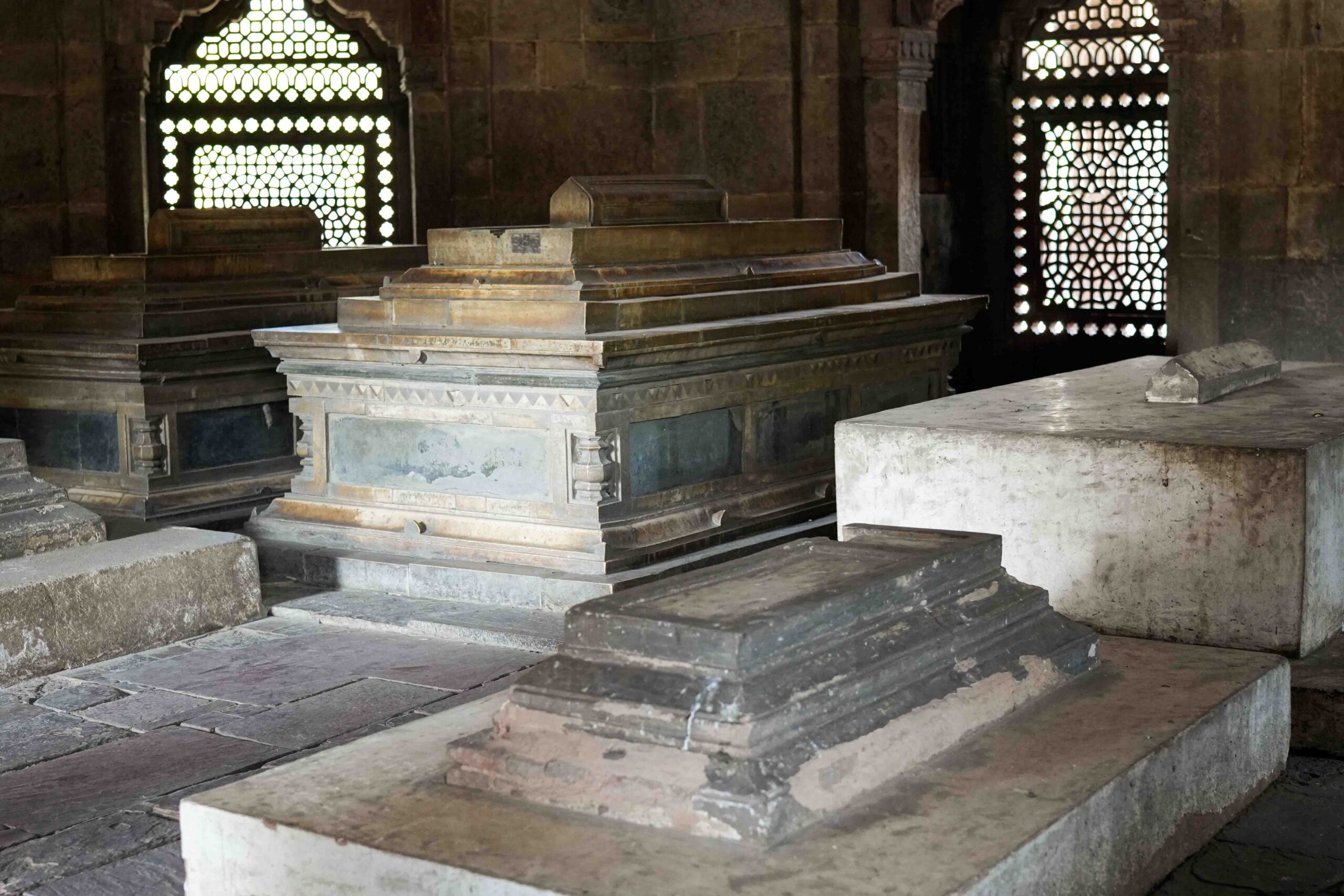
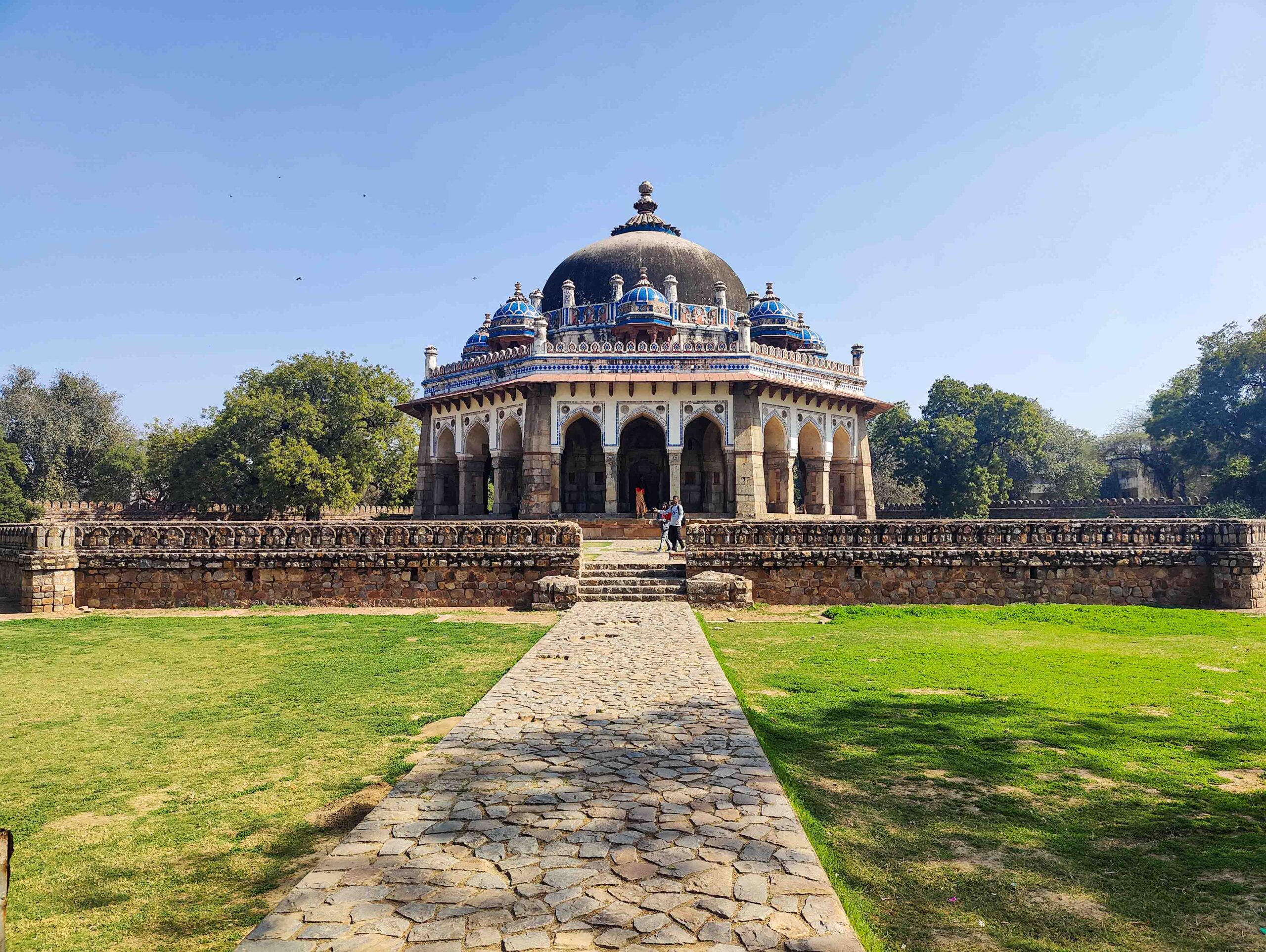
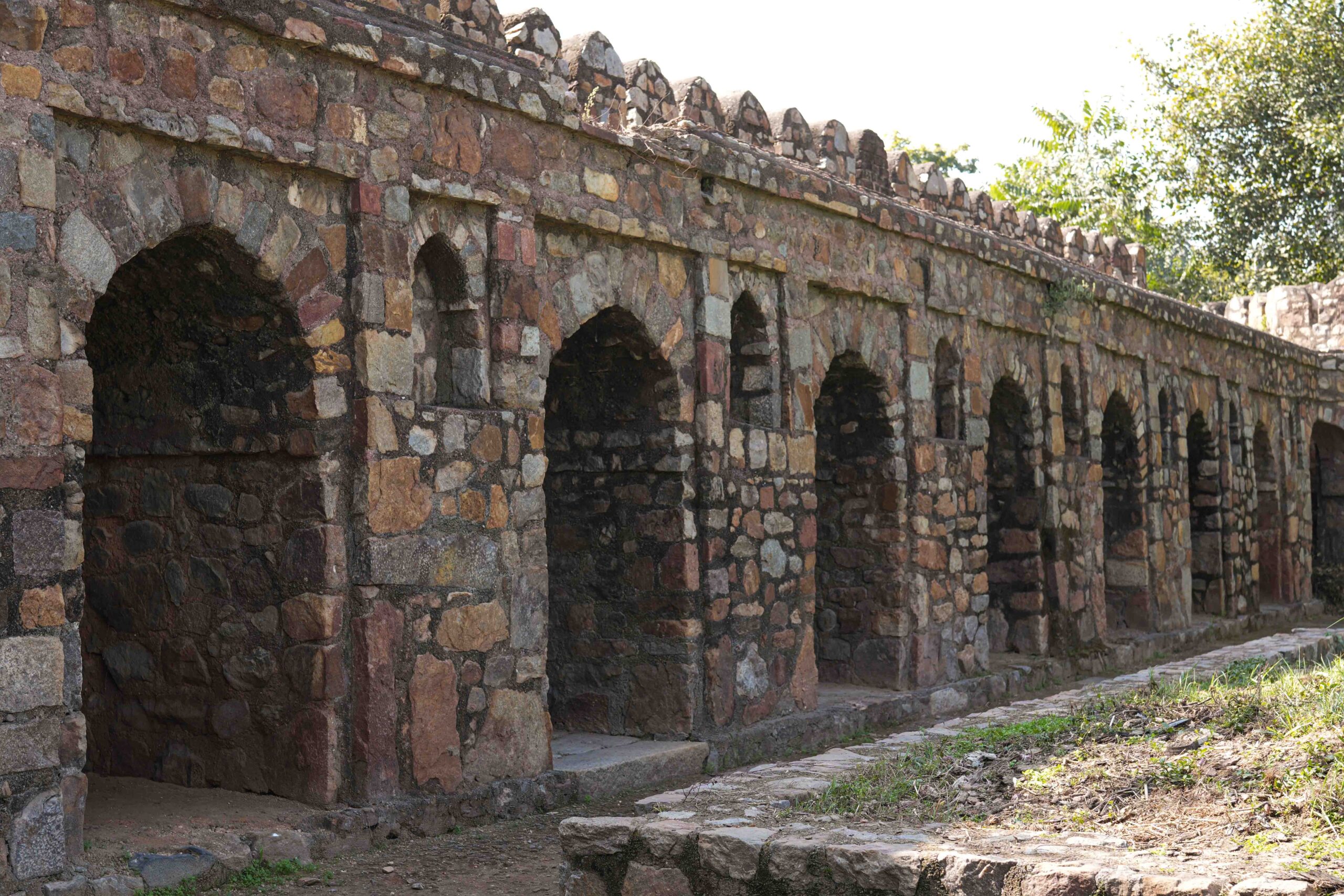
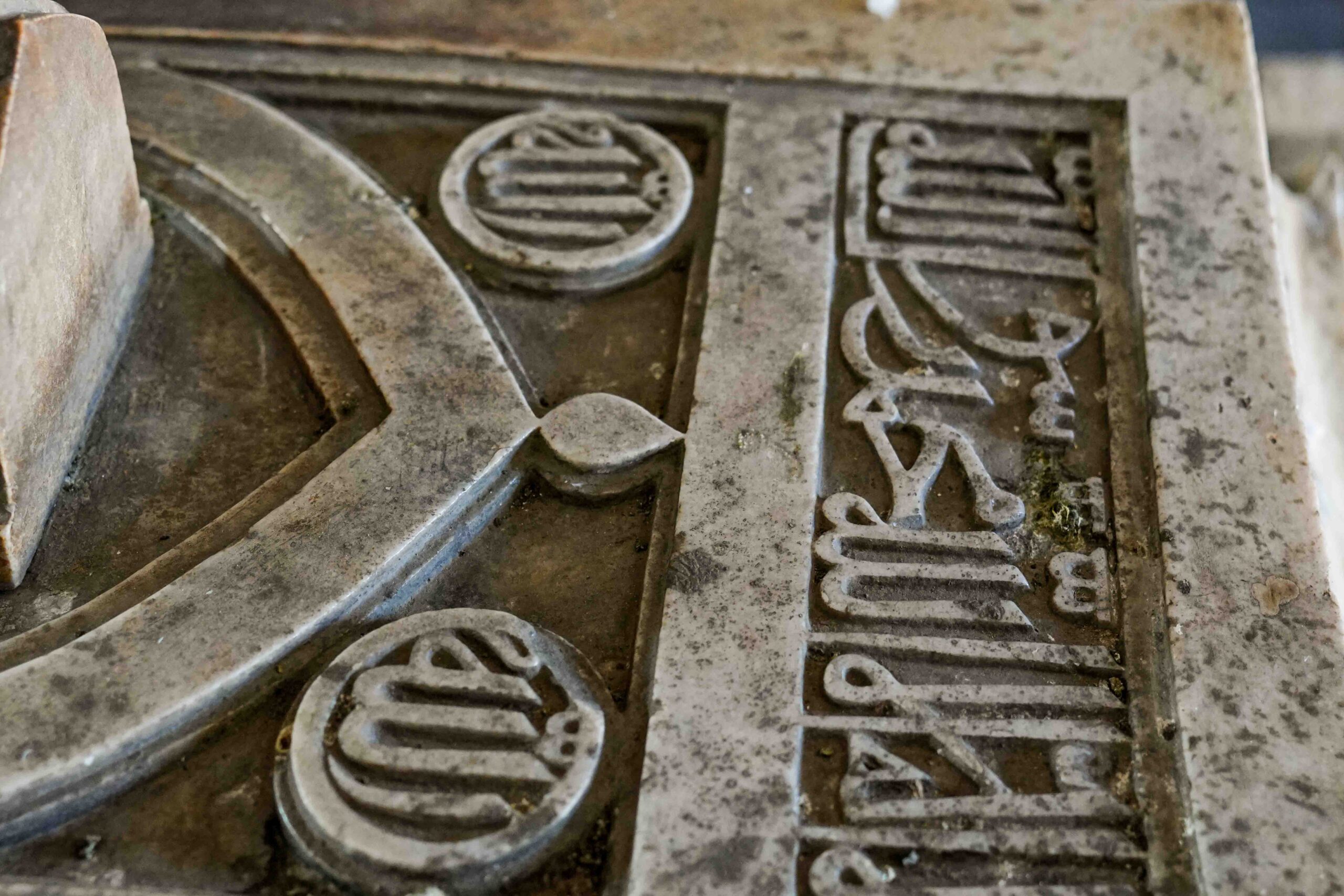
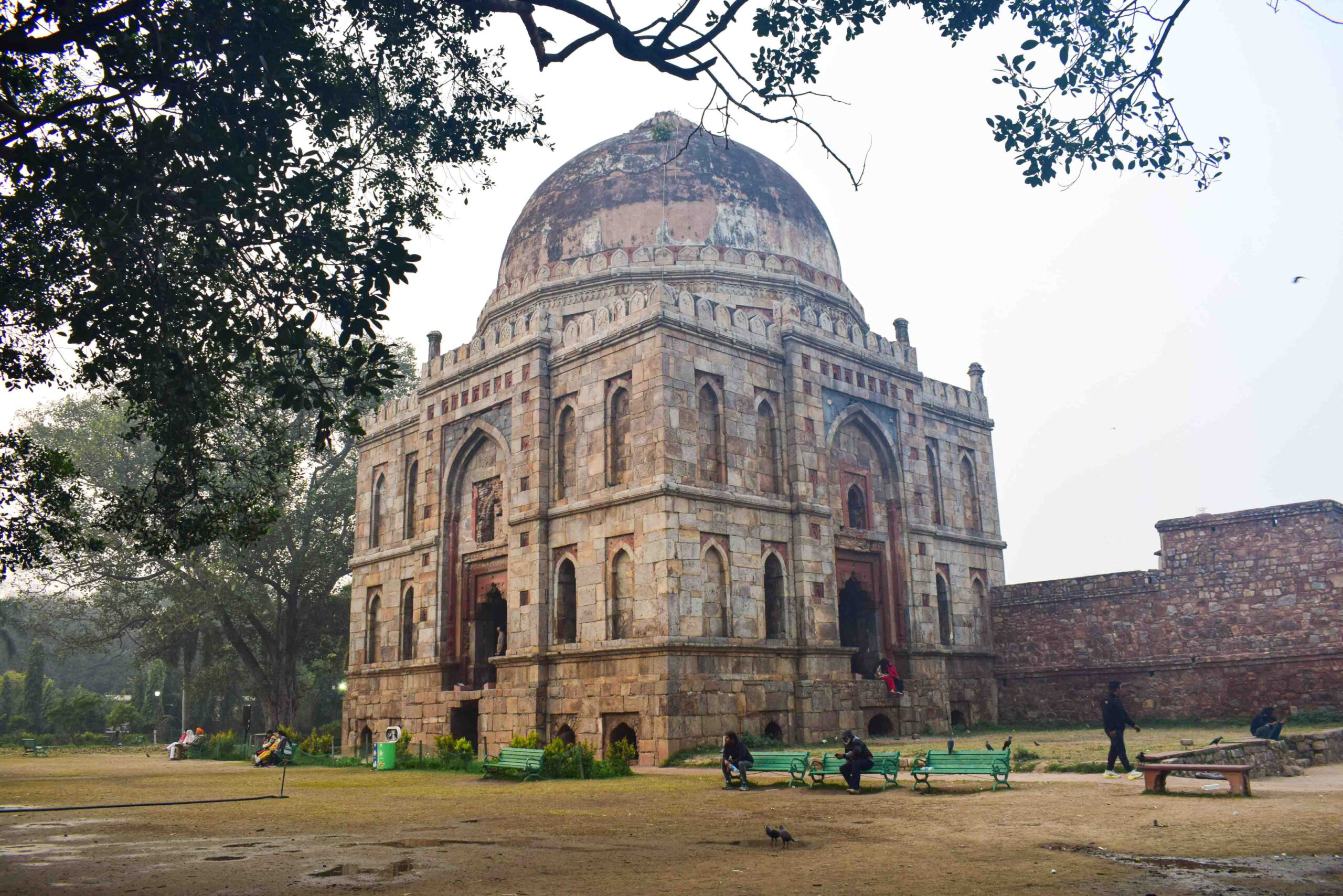
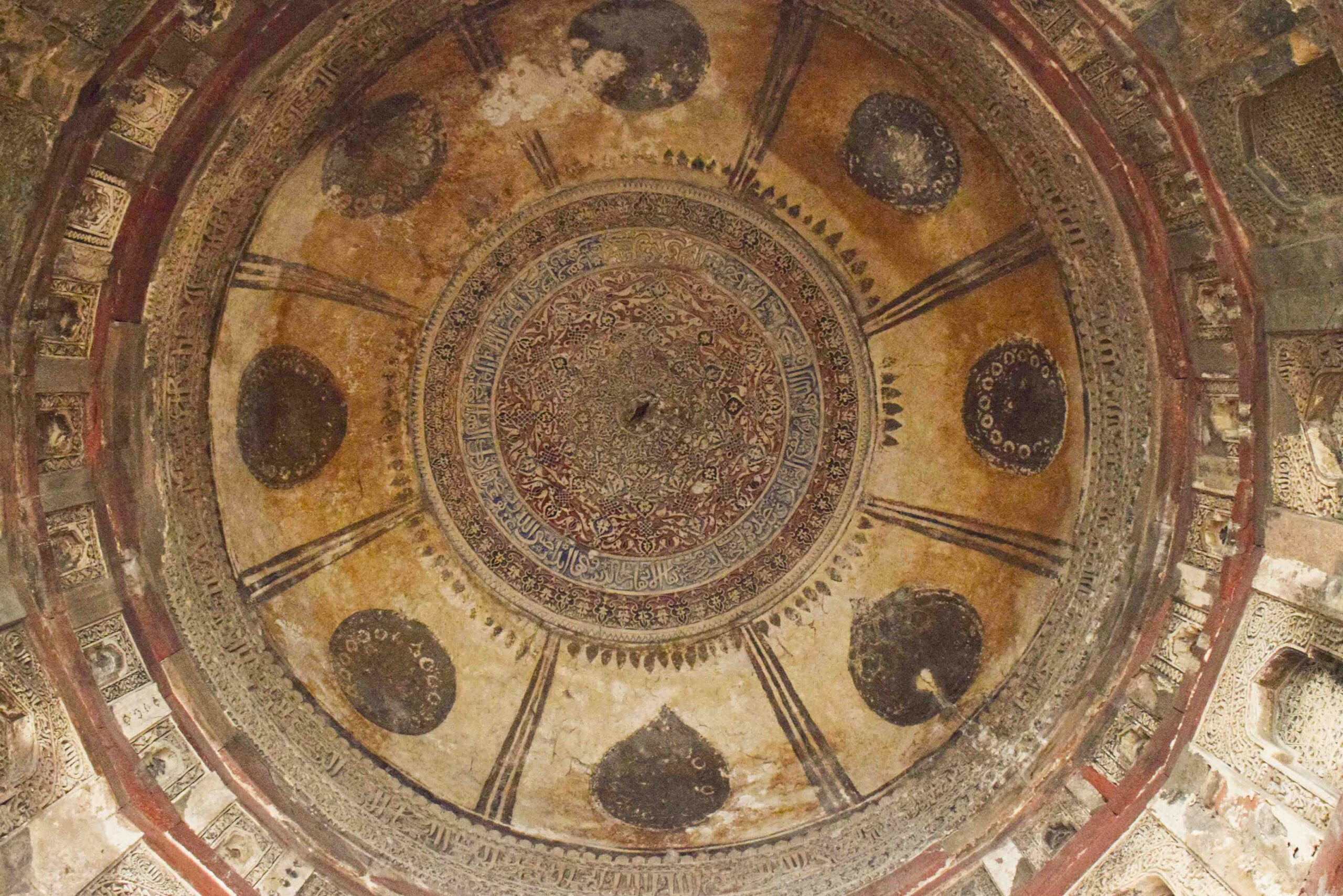
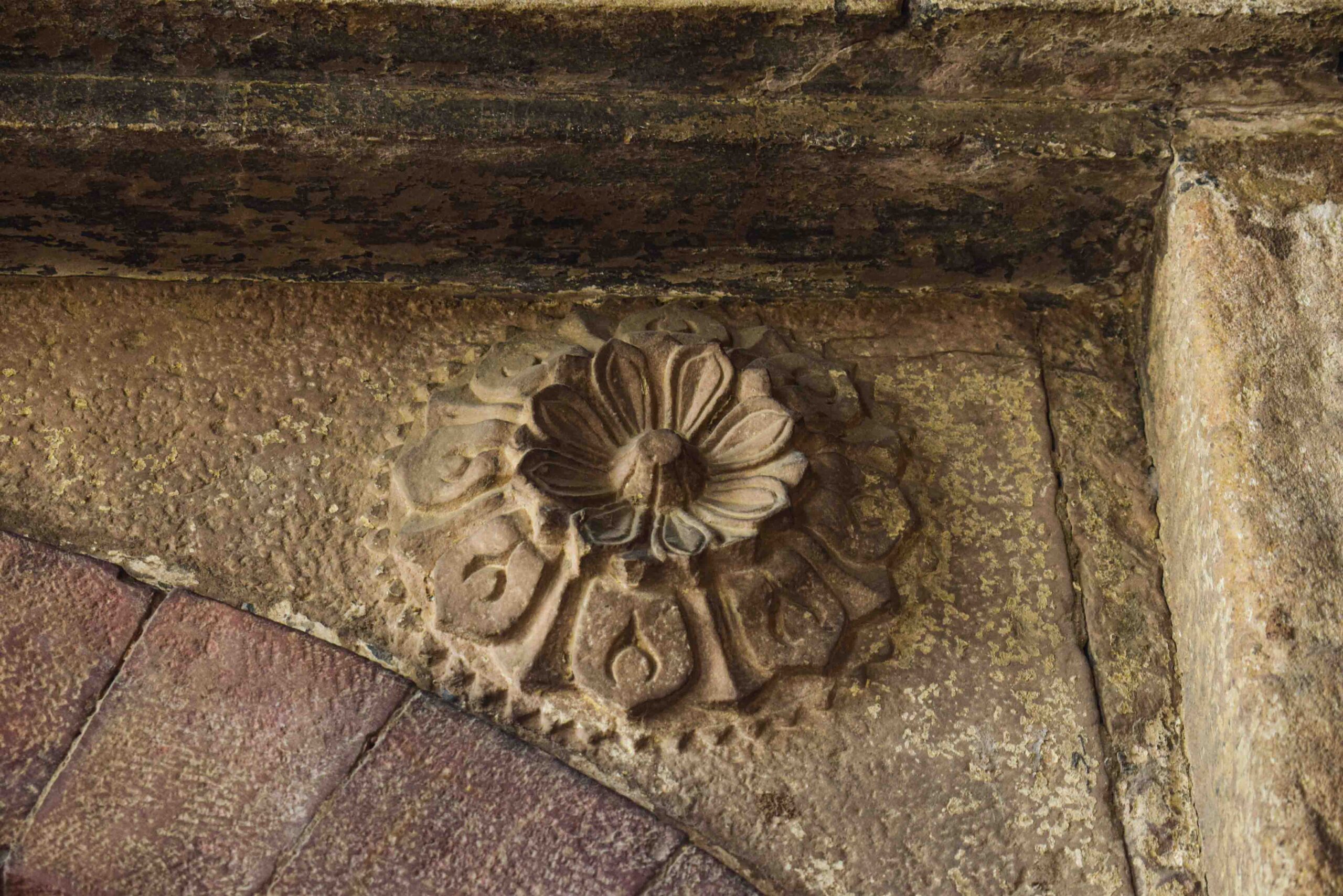
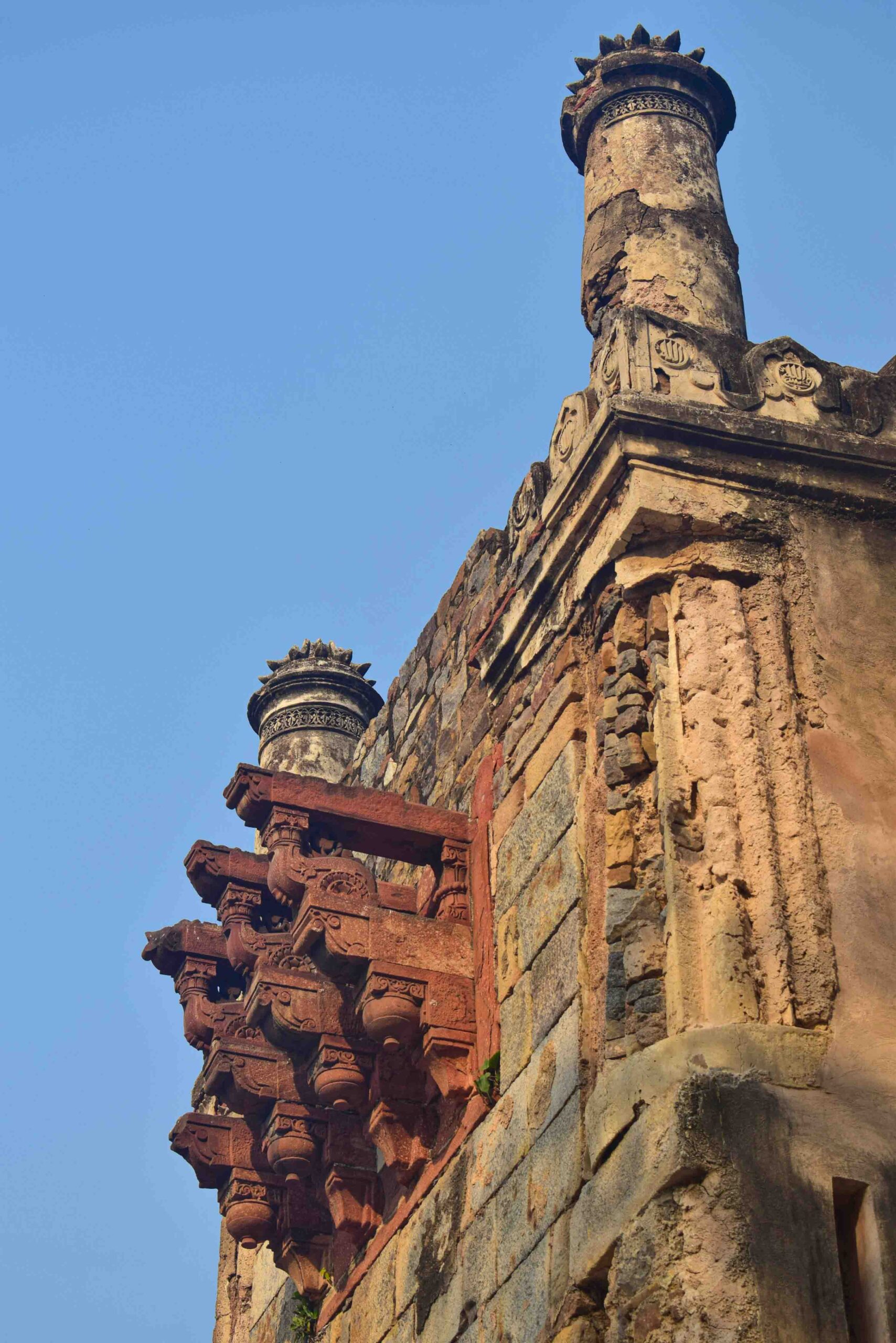
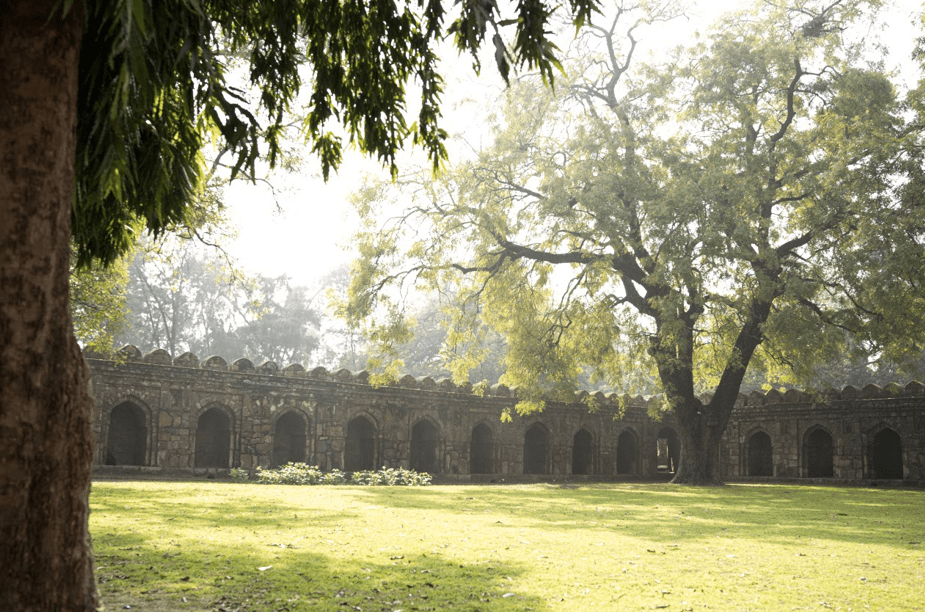
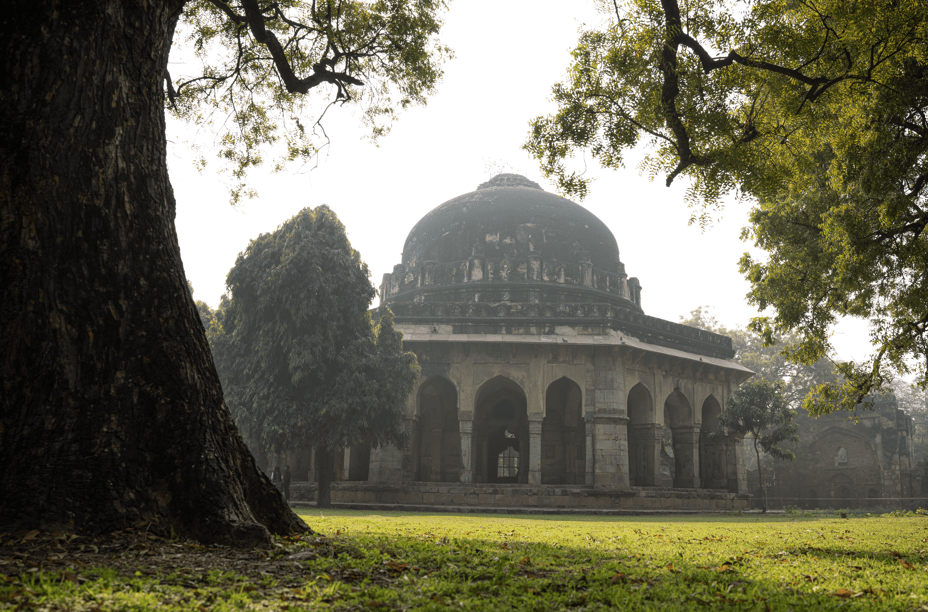
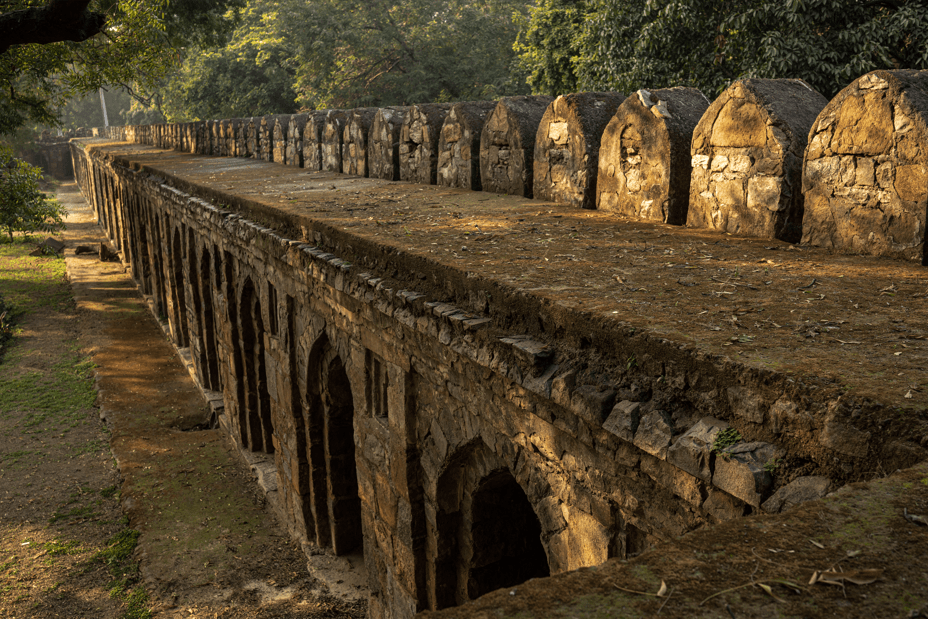
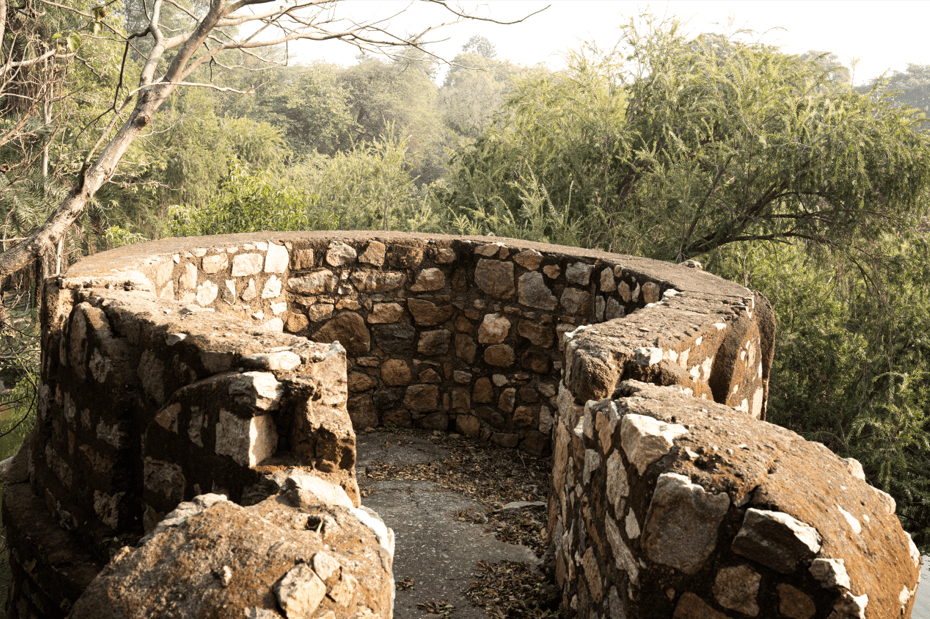
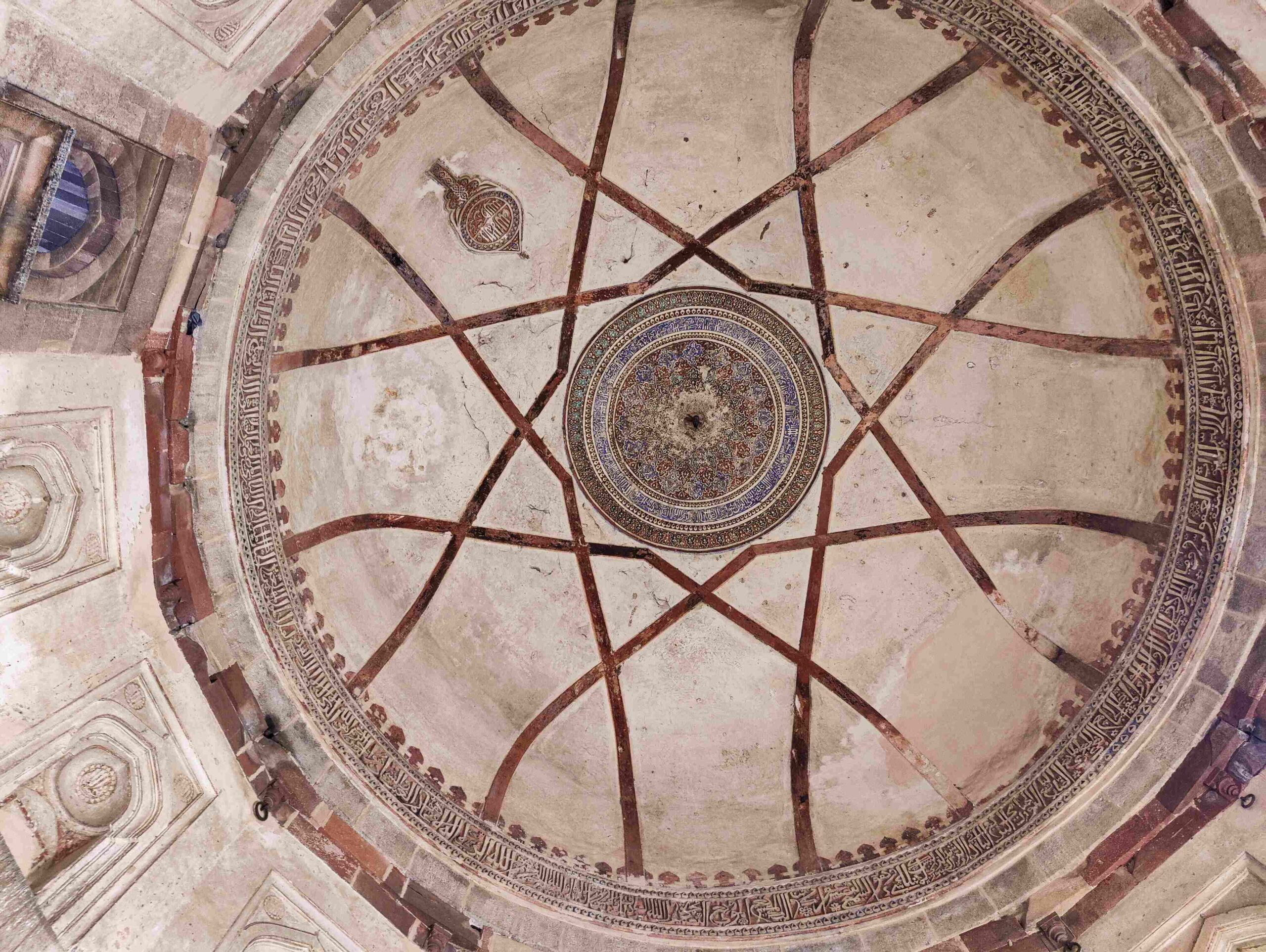
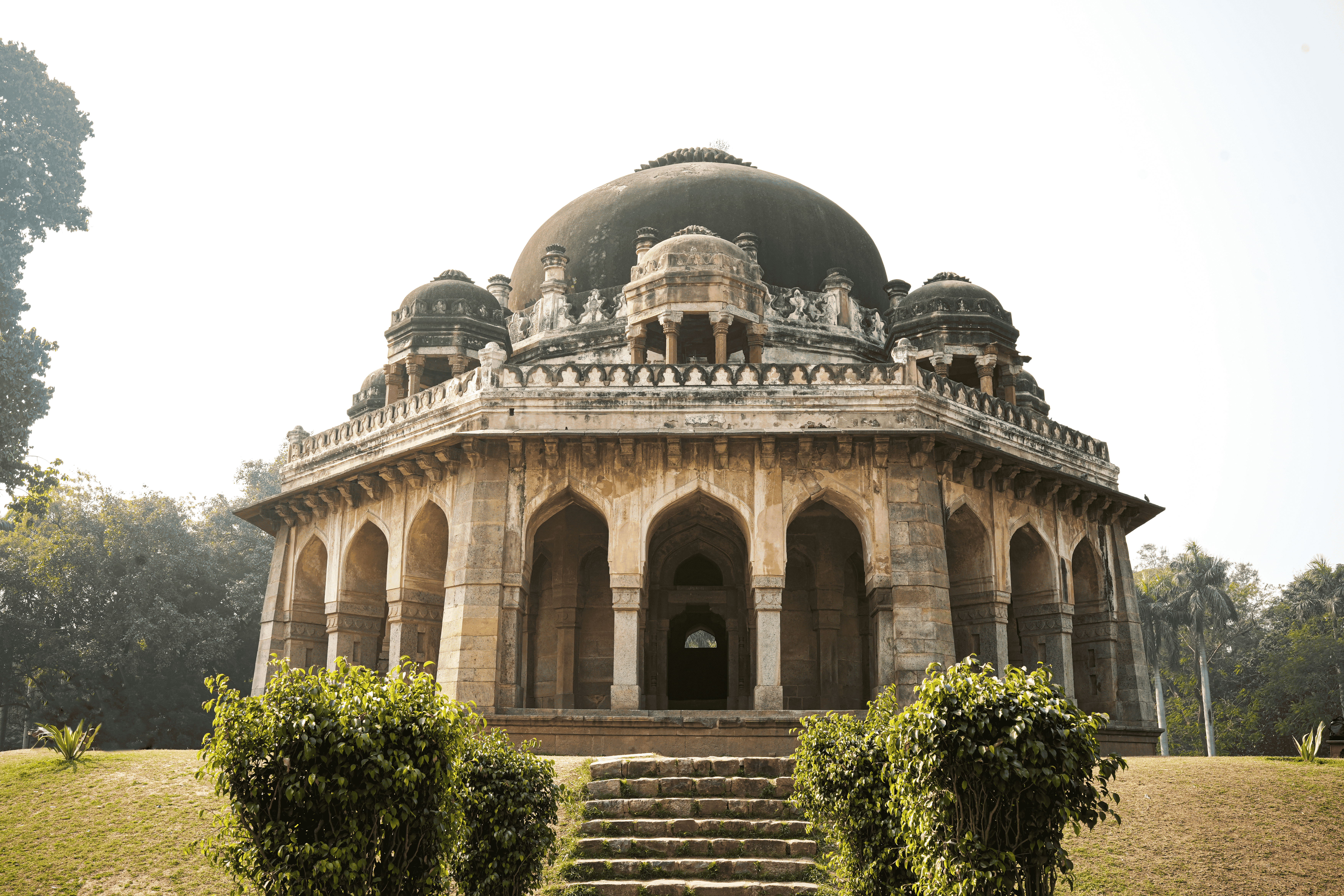
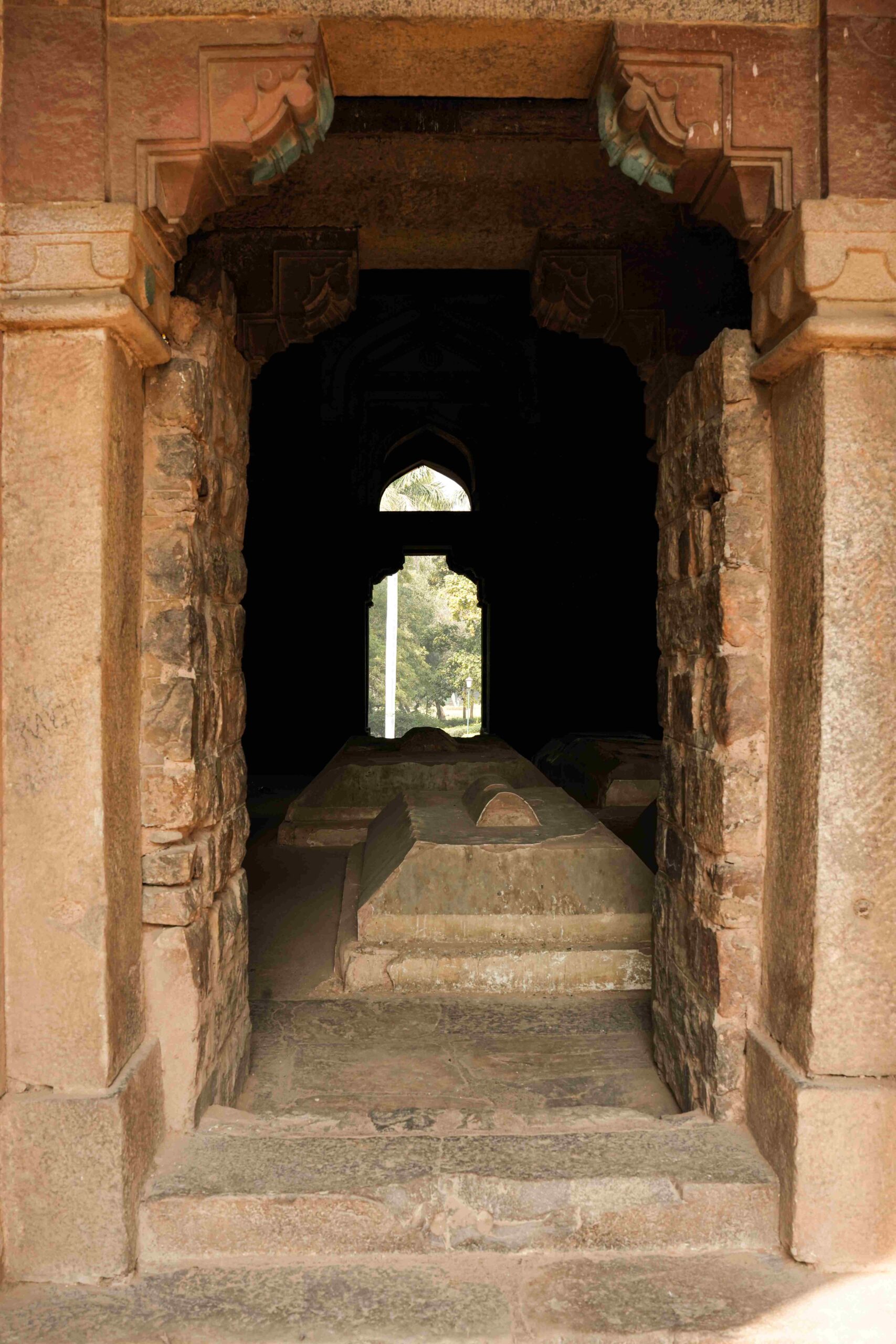
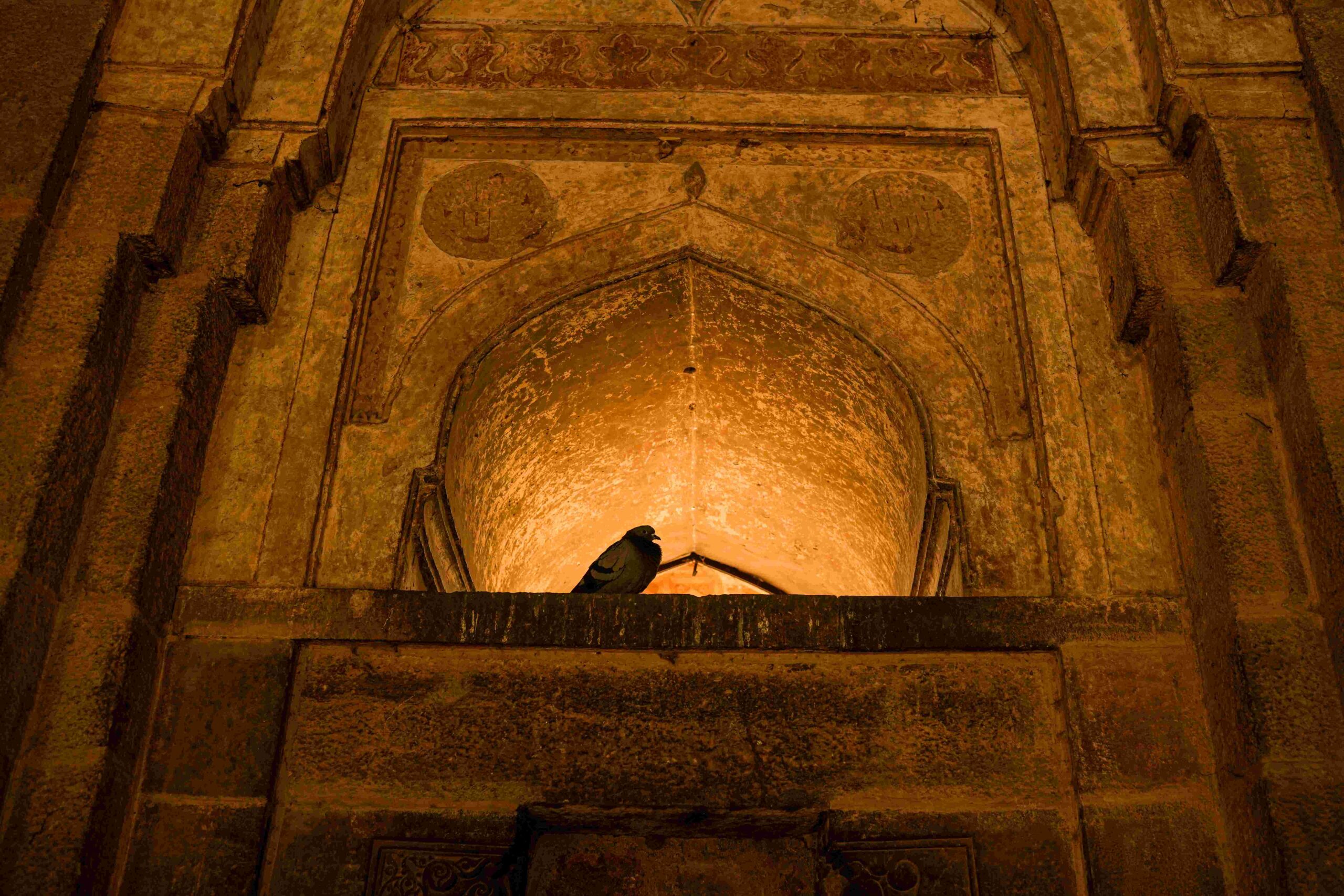
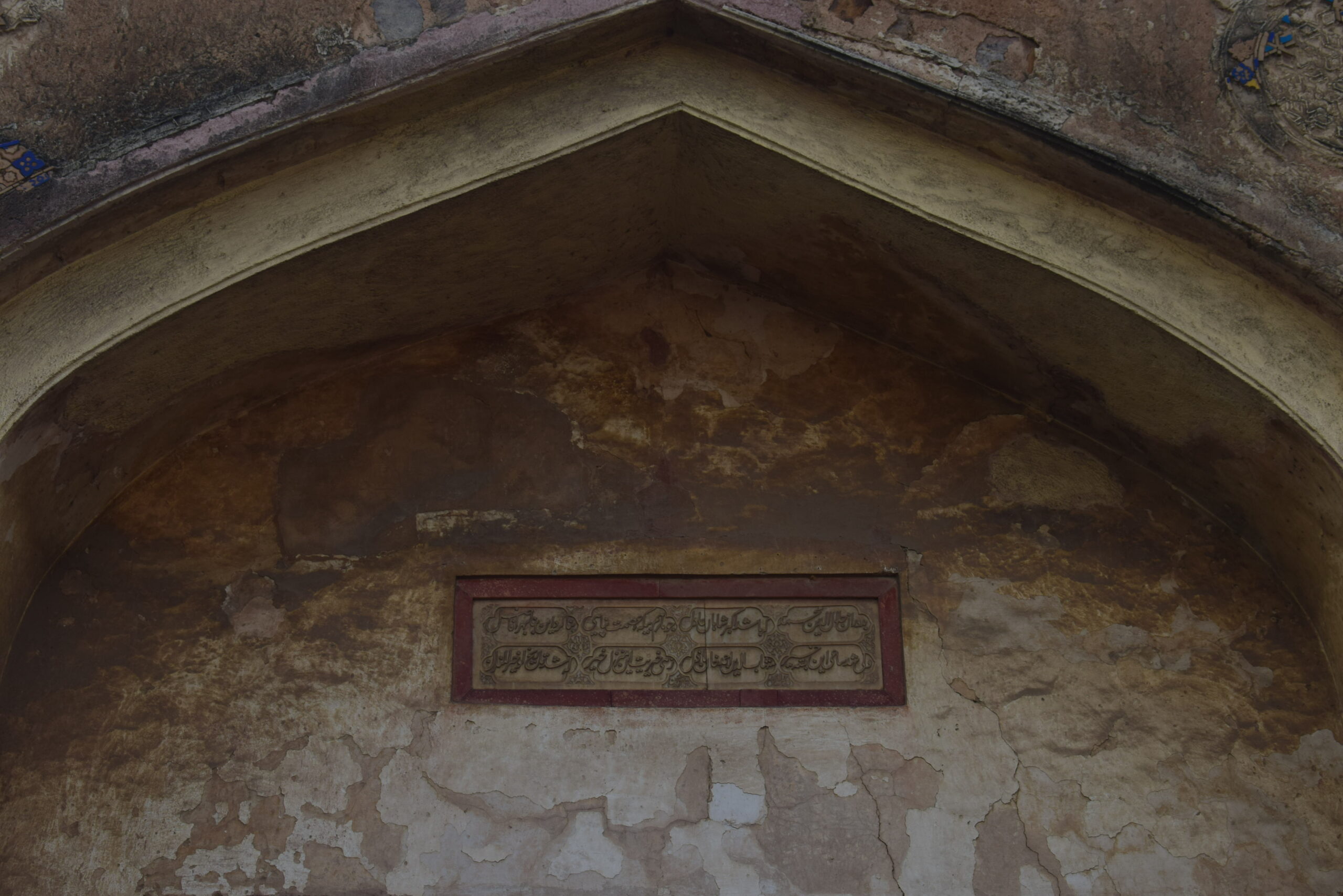
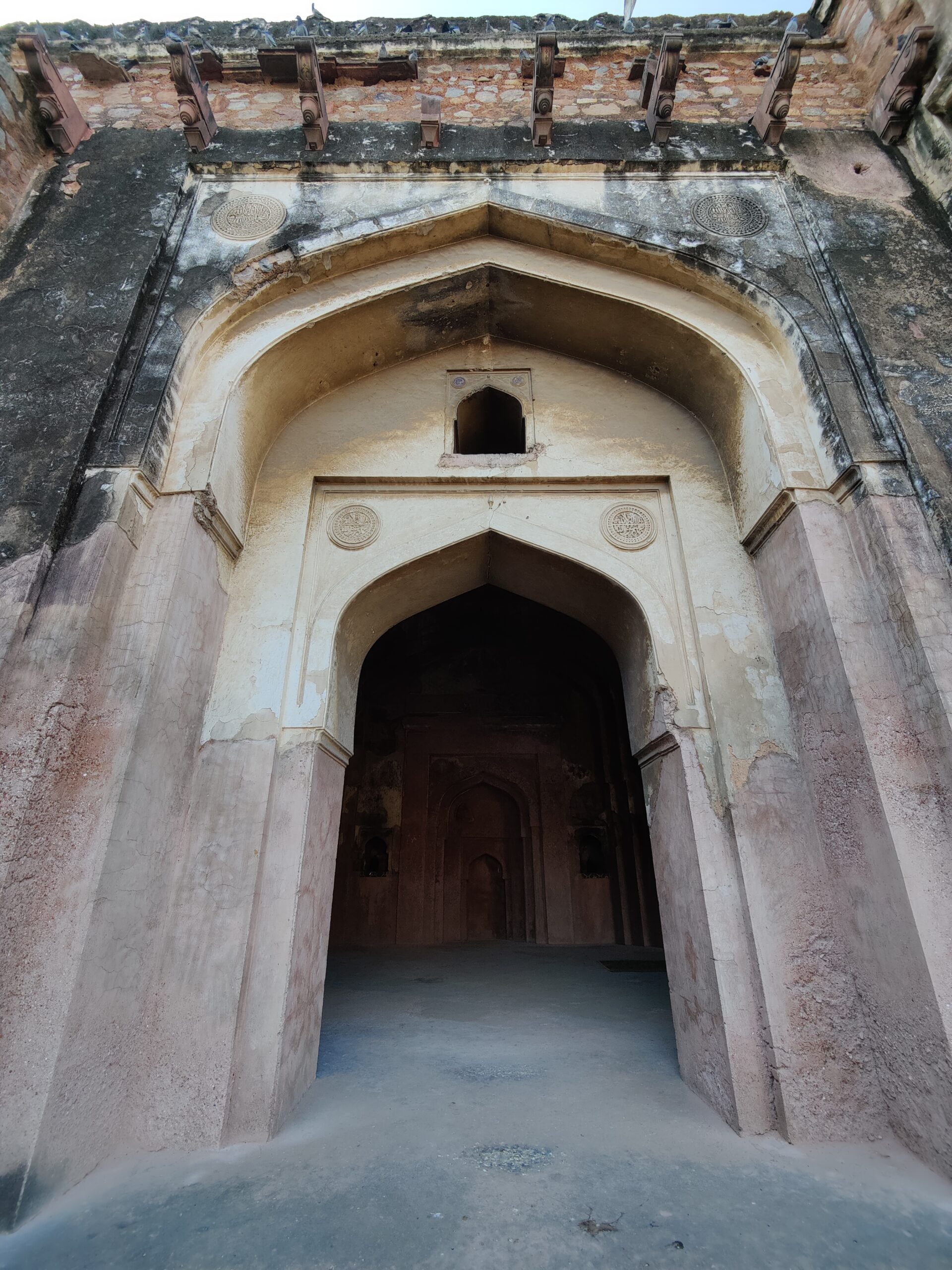
Biran Ka Gumbad

Biran Ka Gumbad: A converted site?

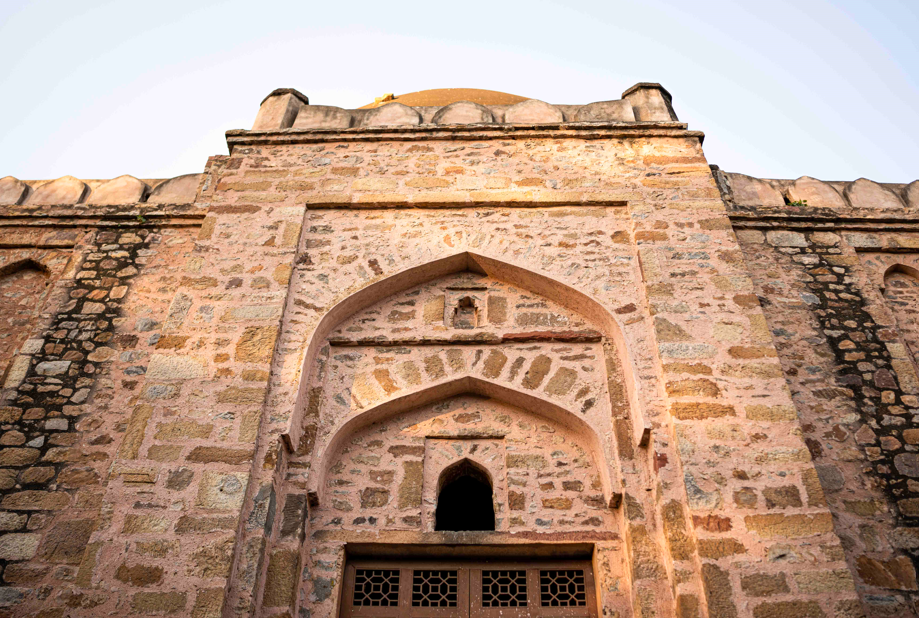
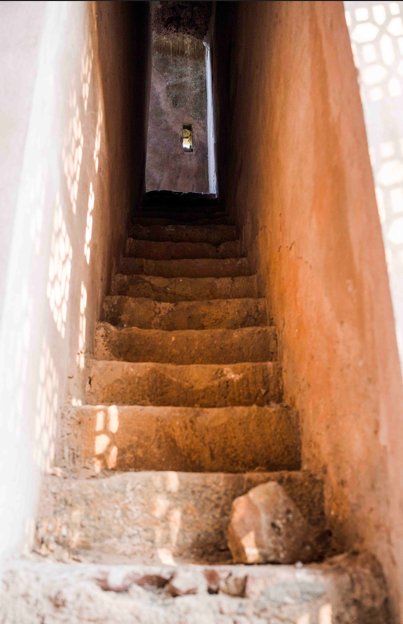
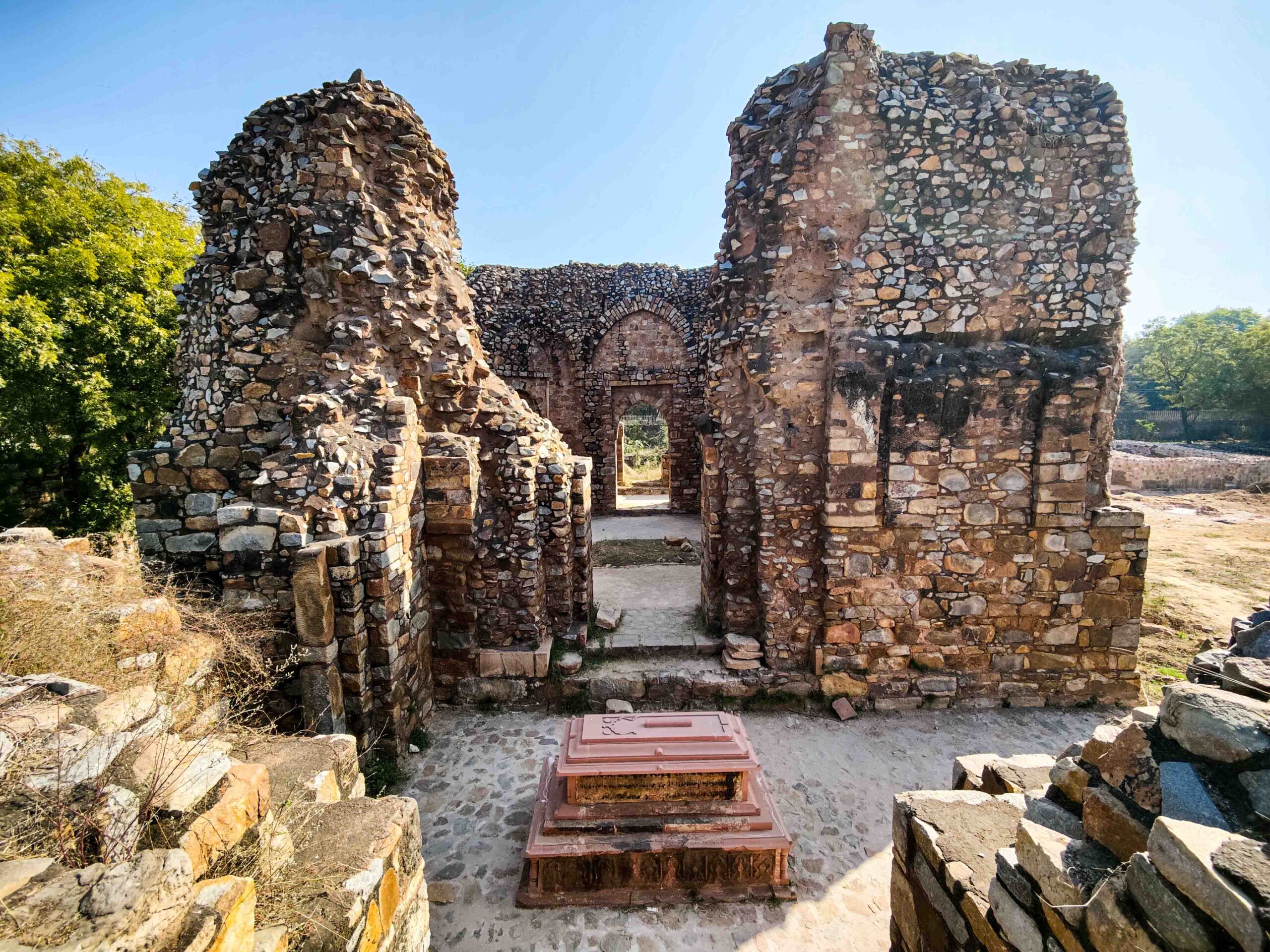
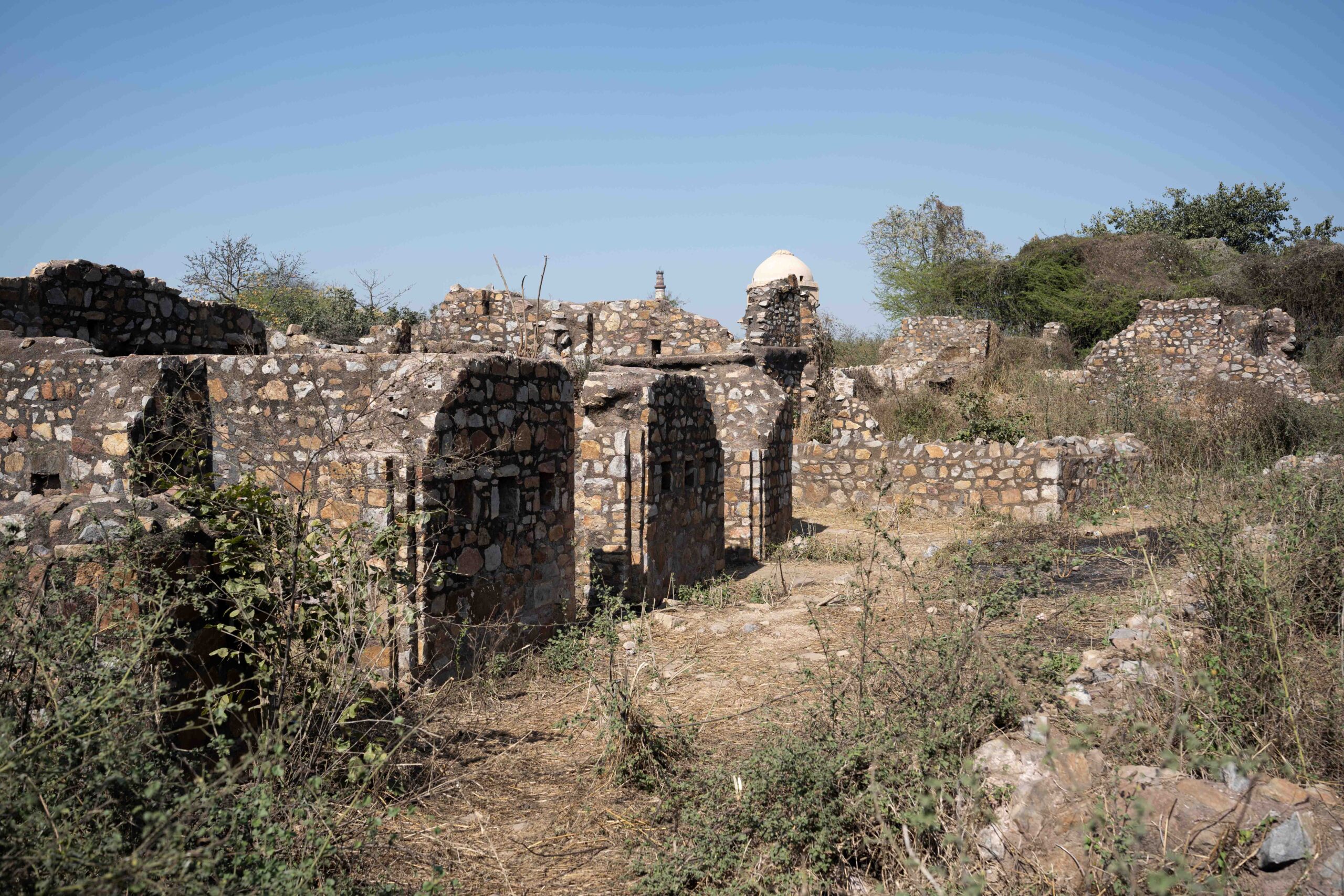
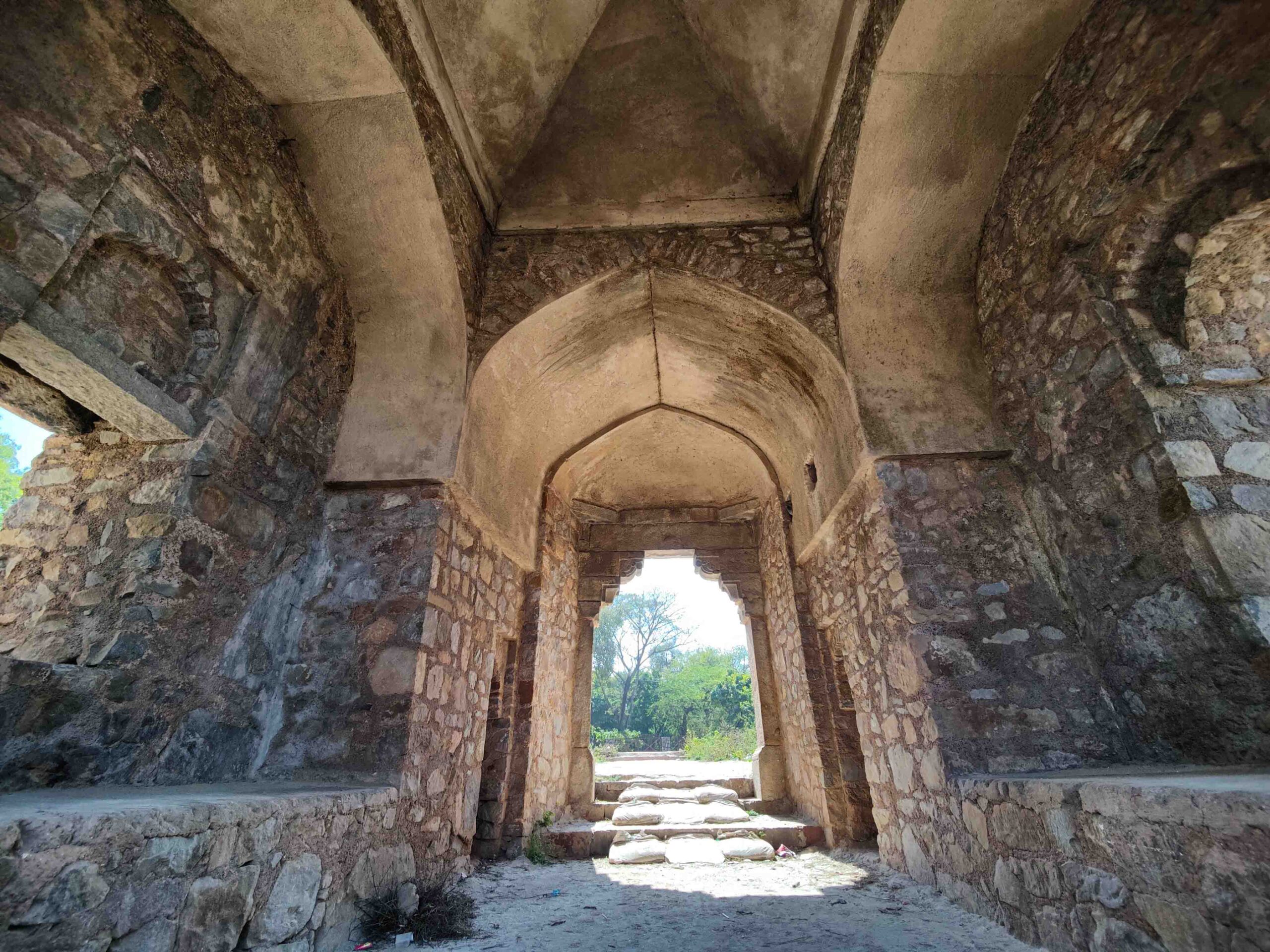
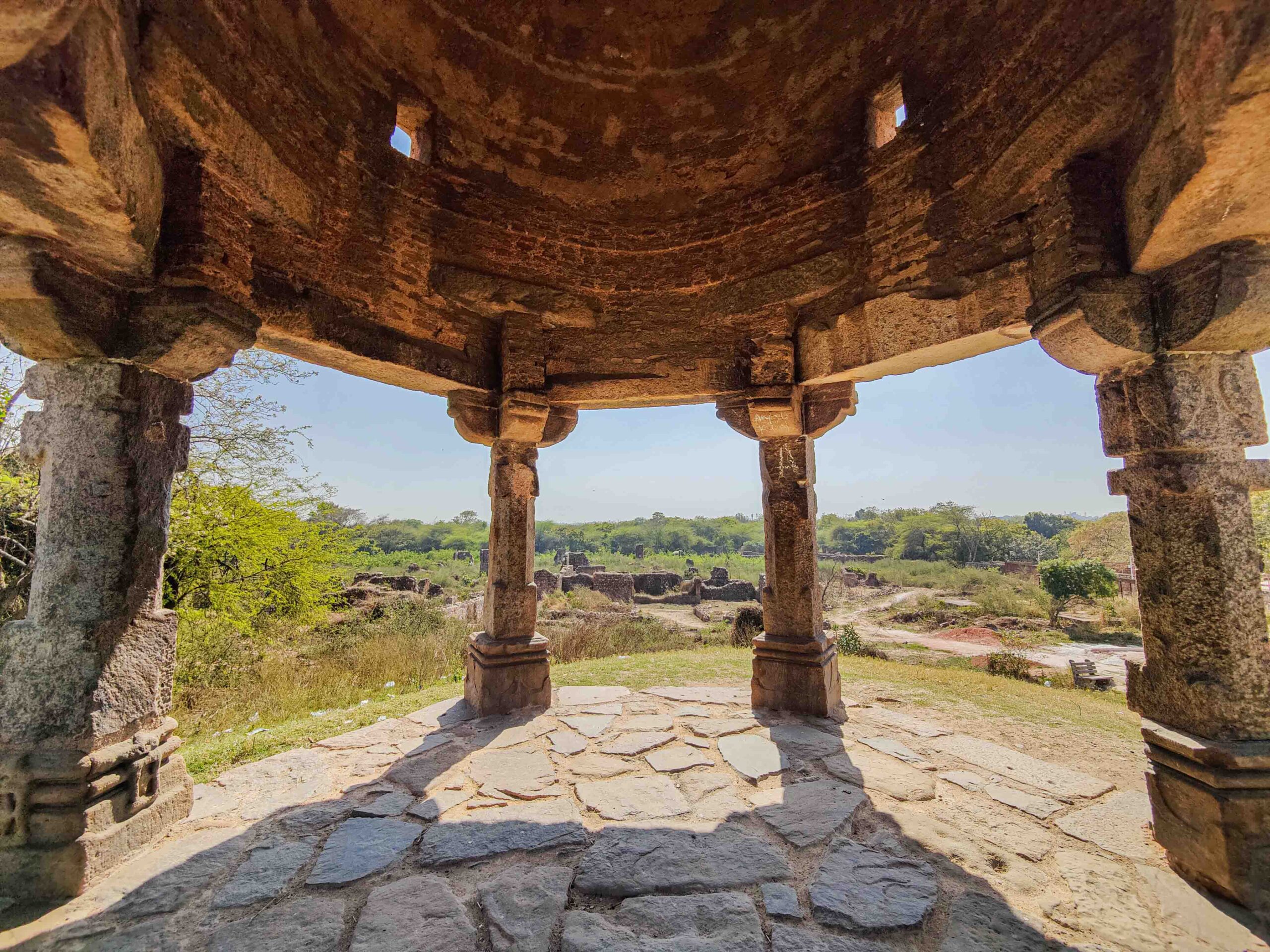
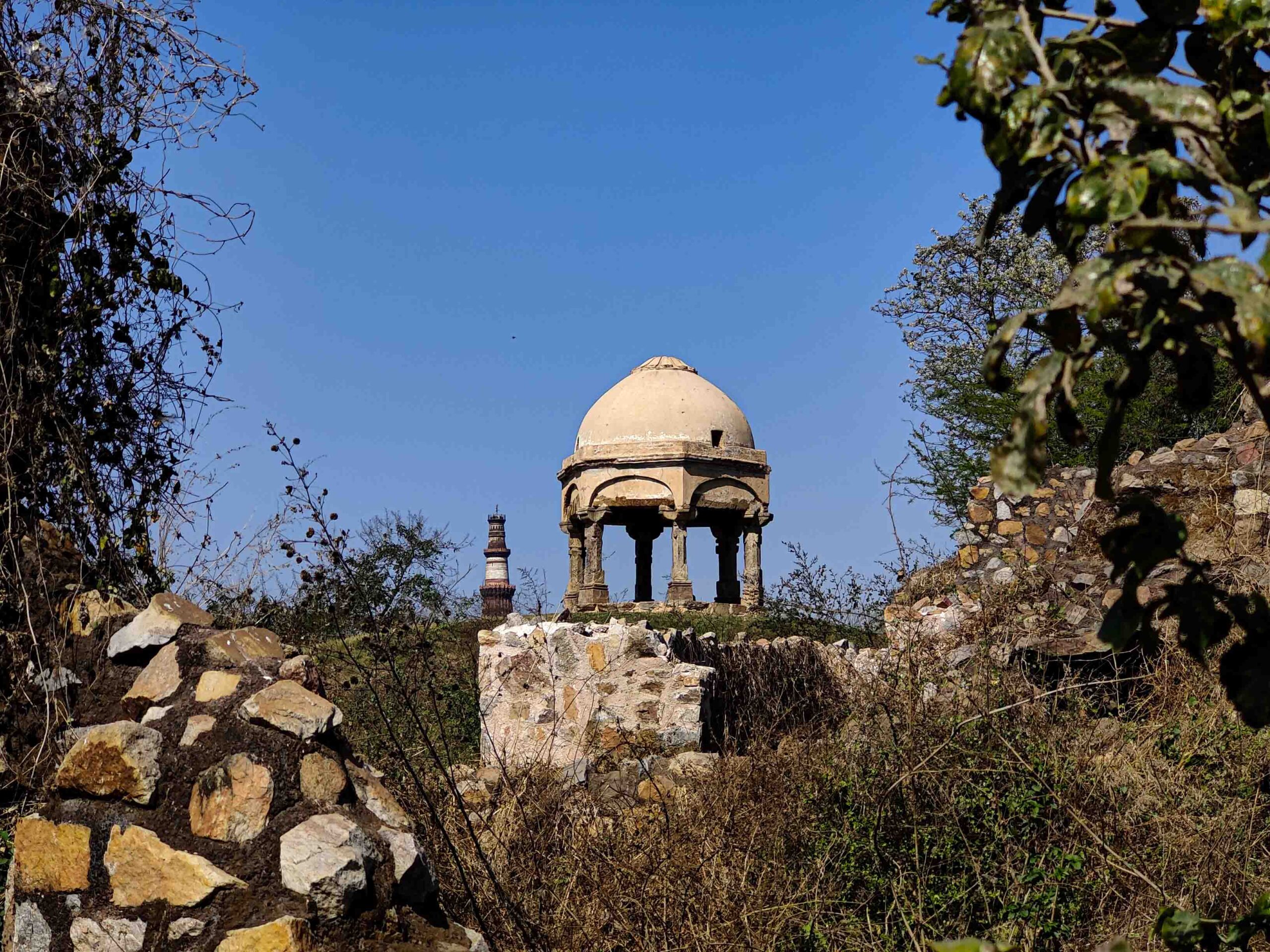
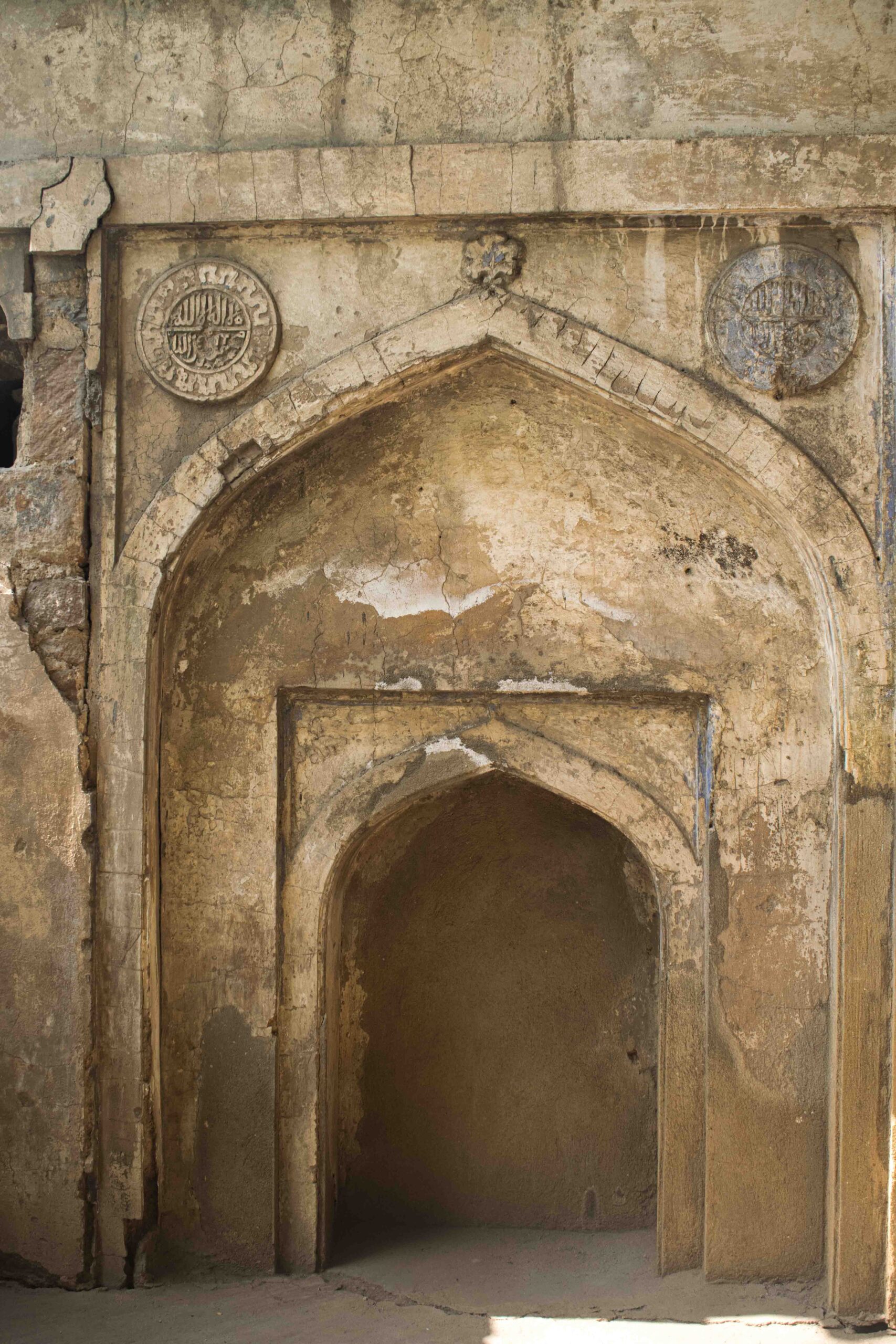
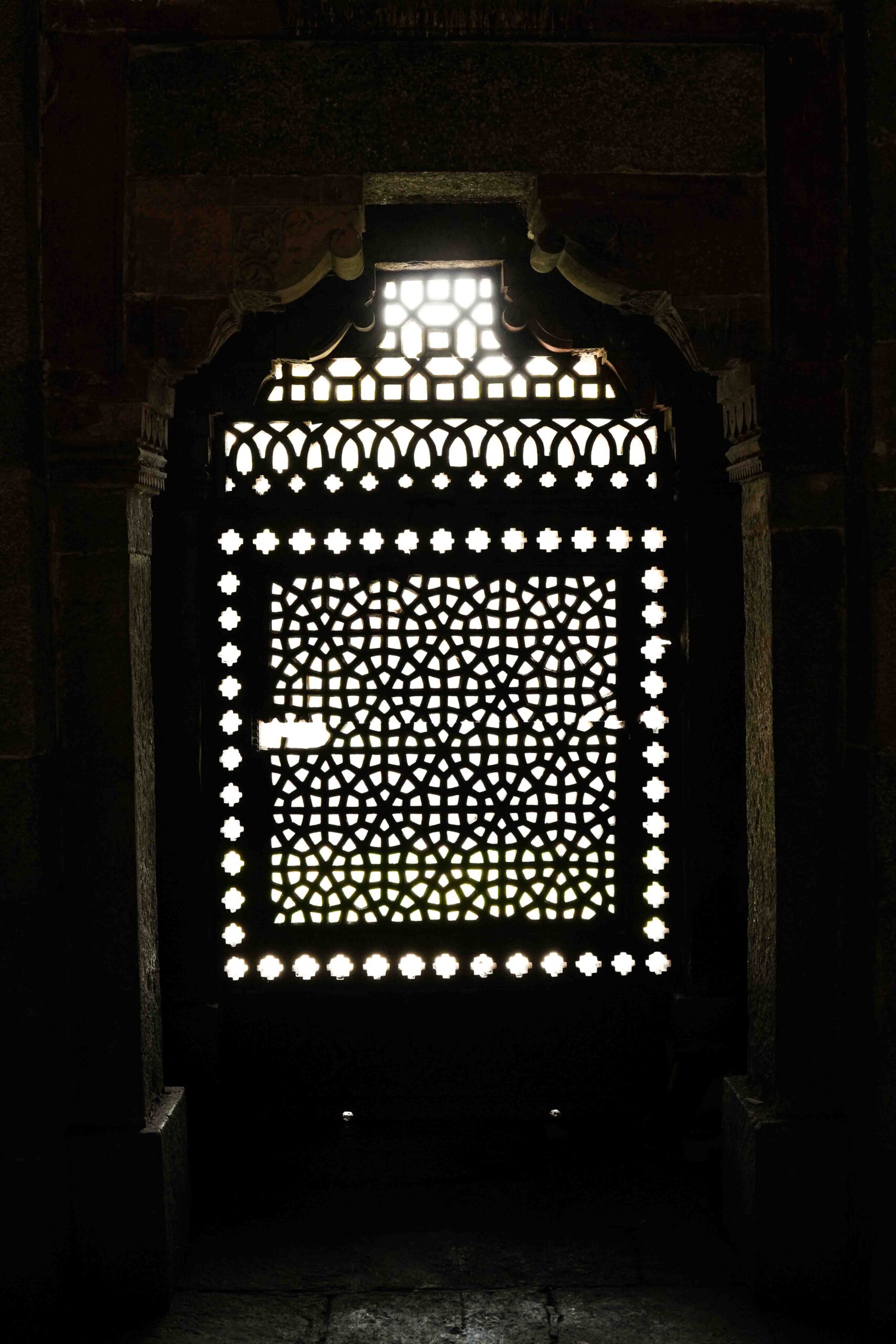
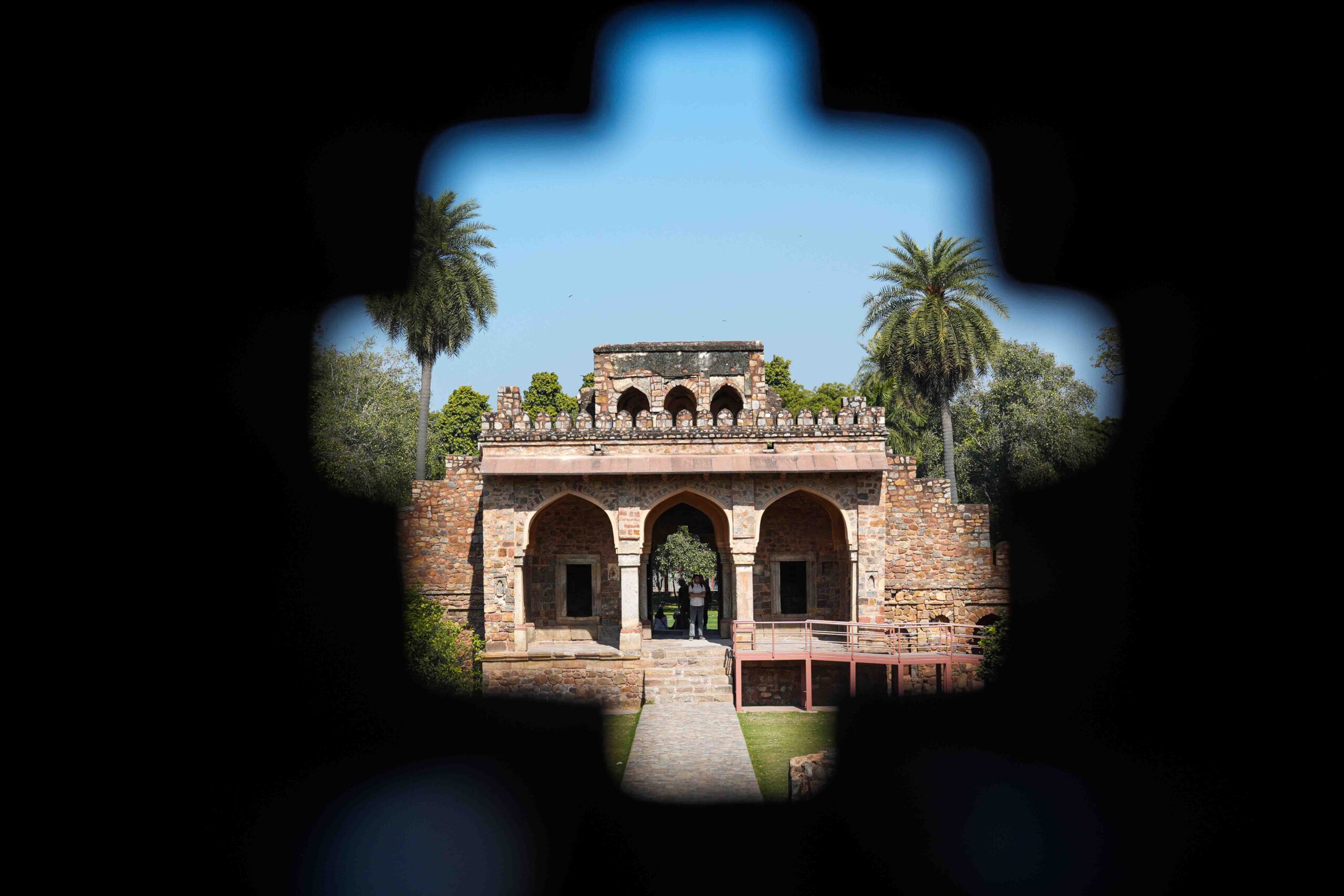
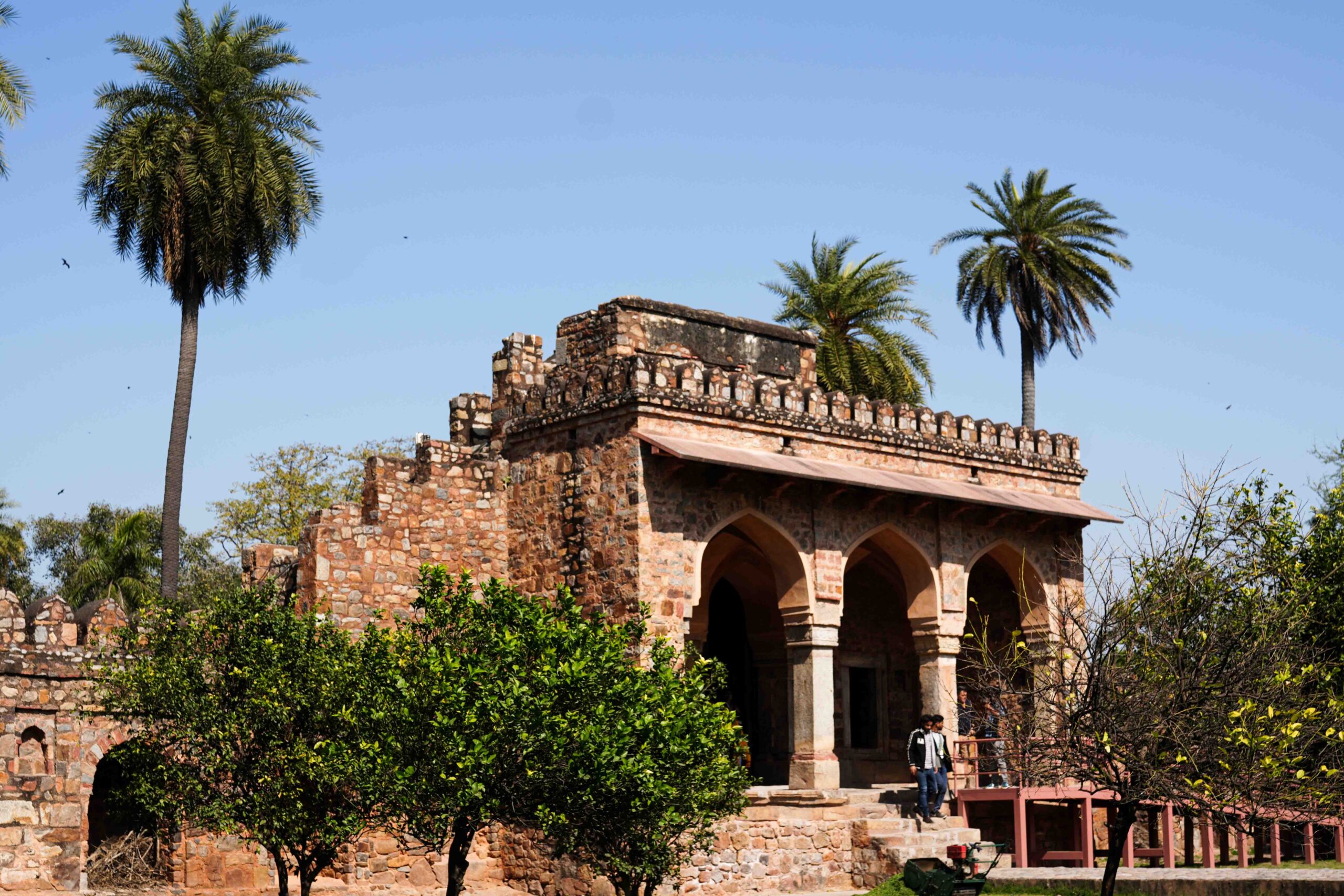
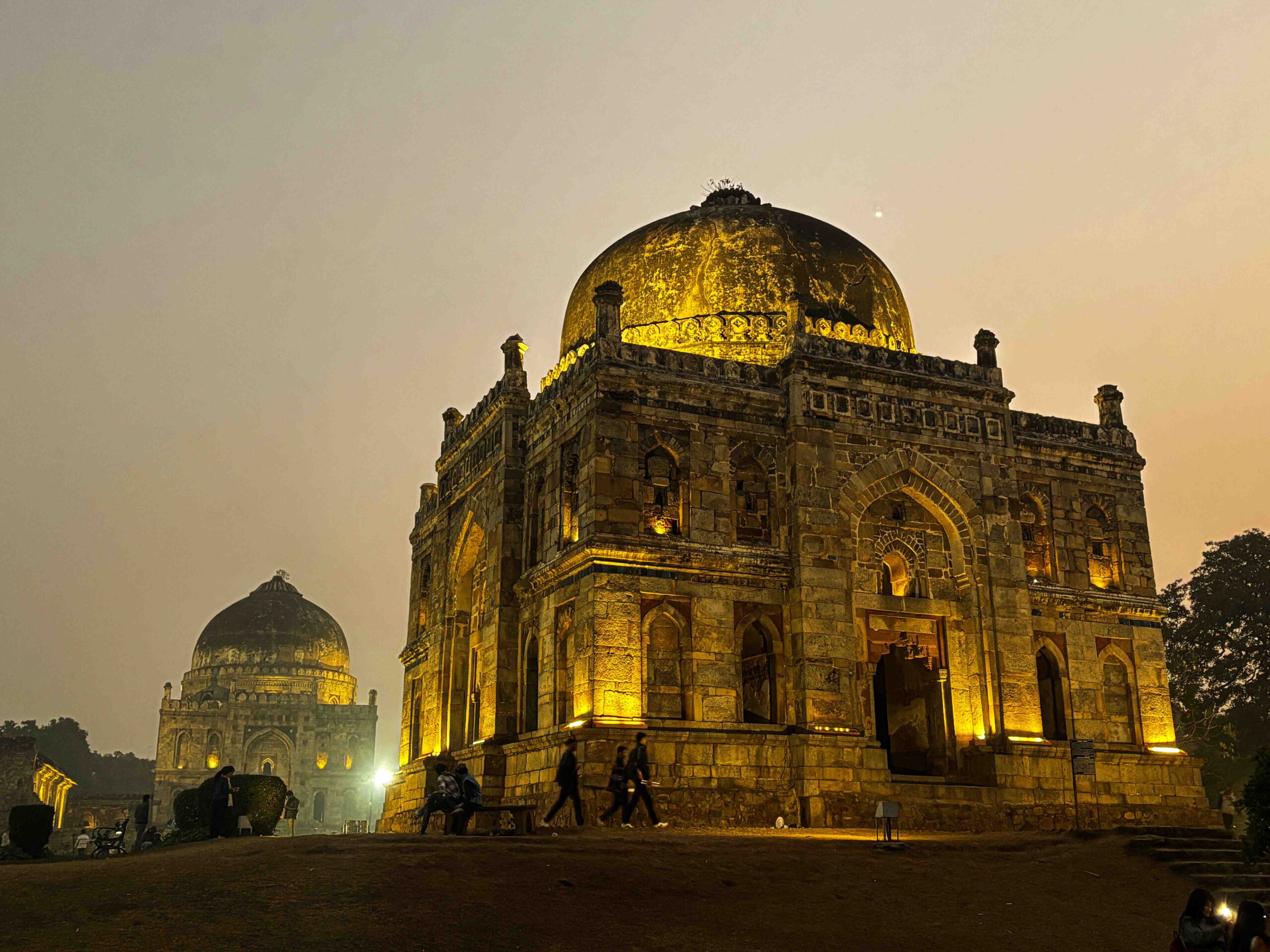
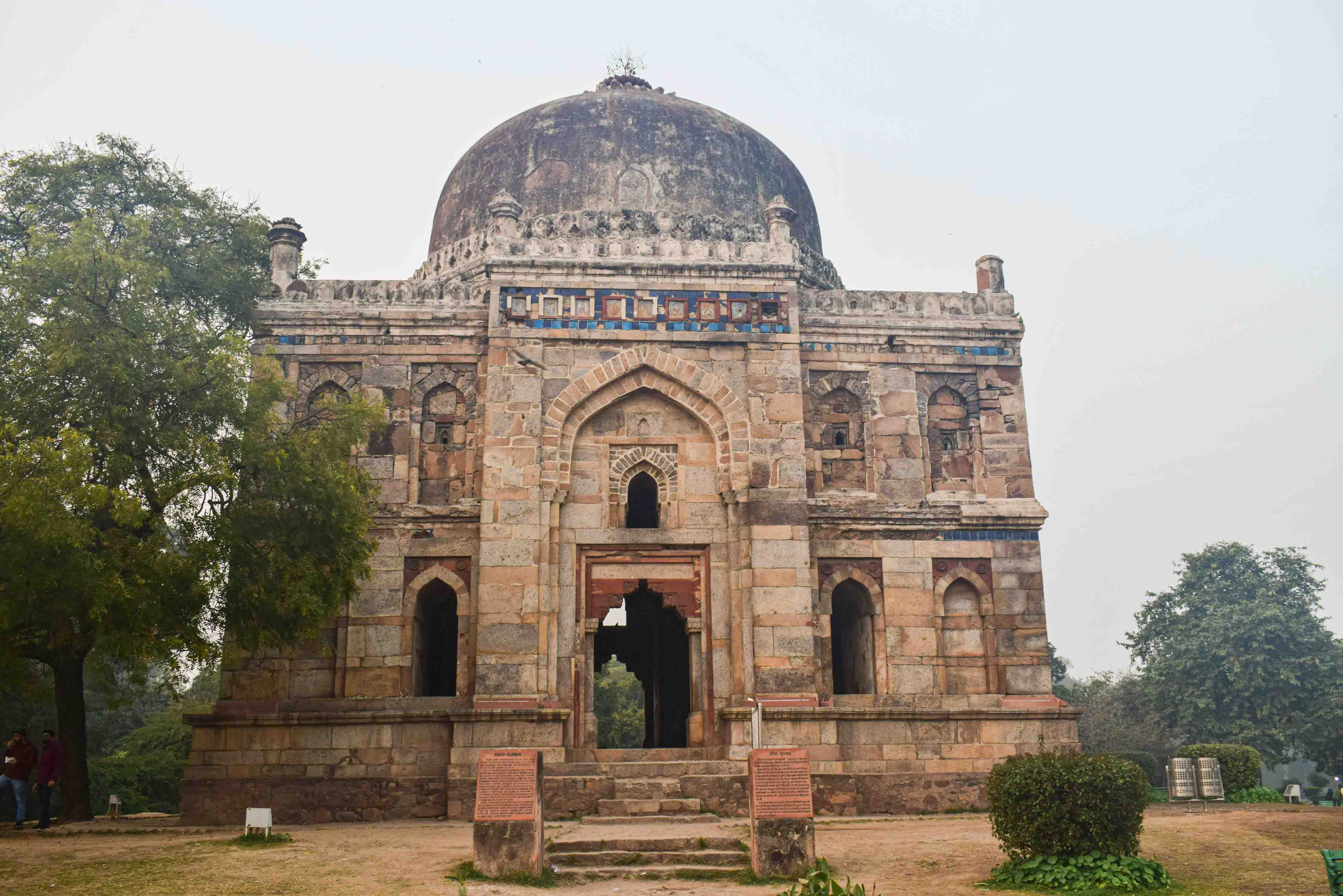
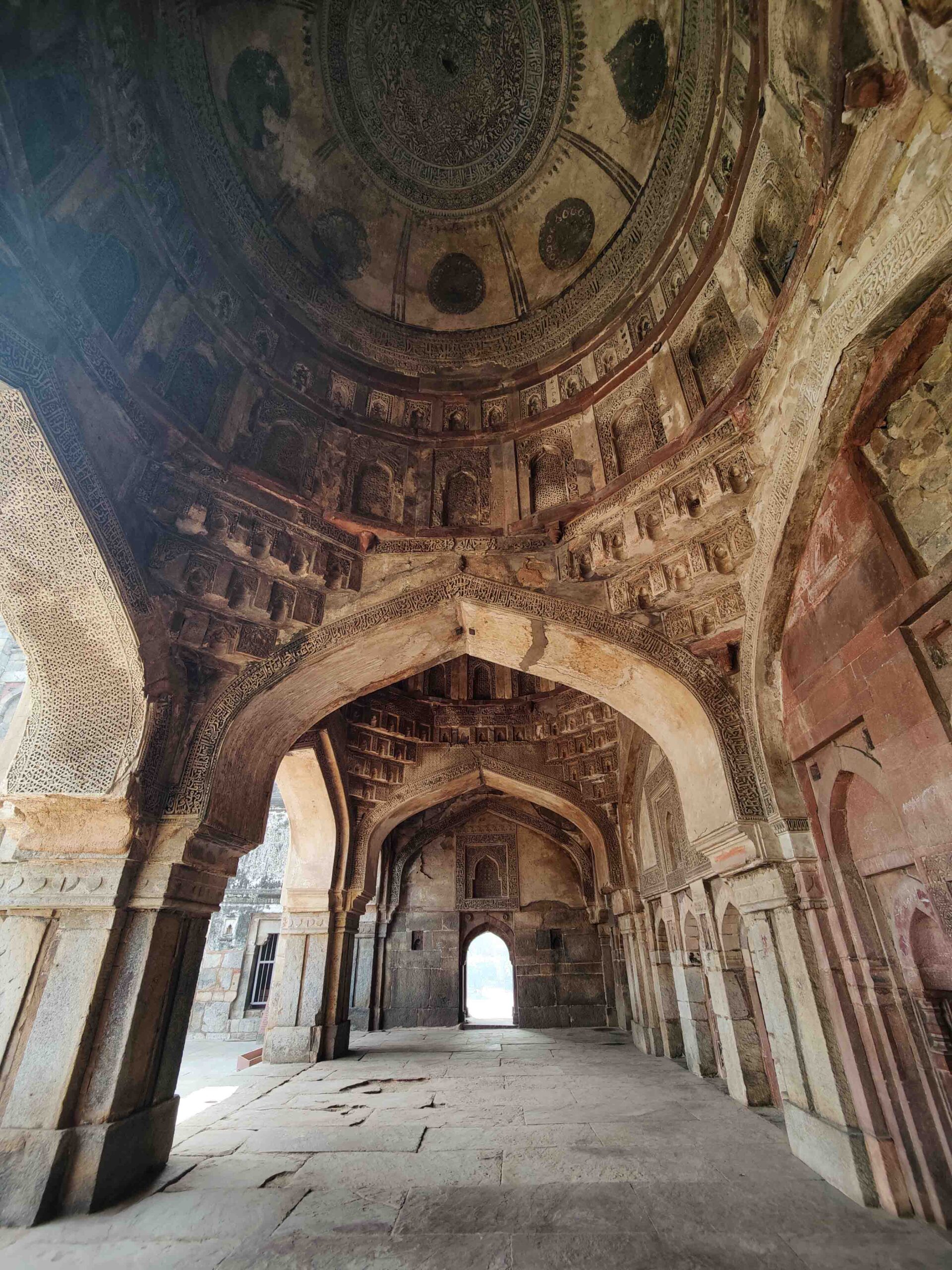
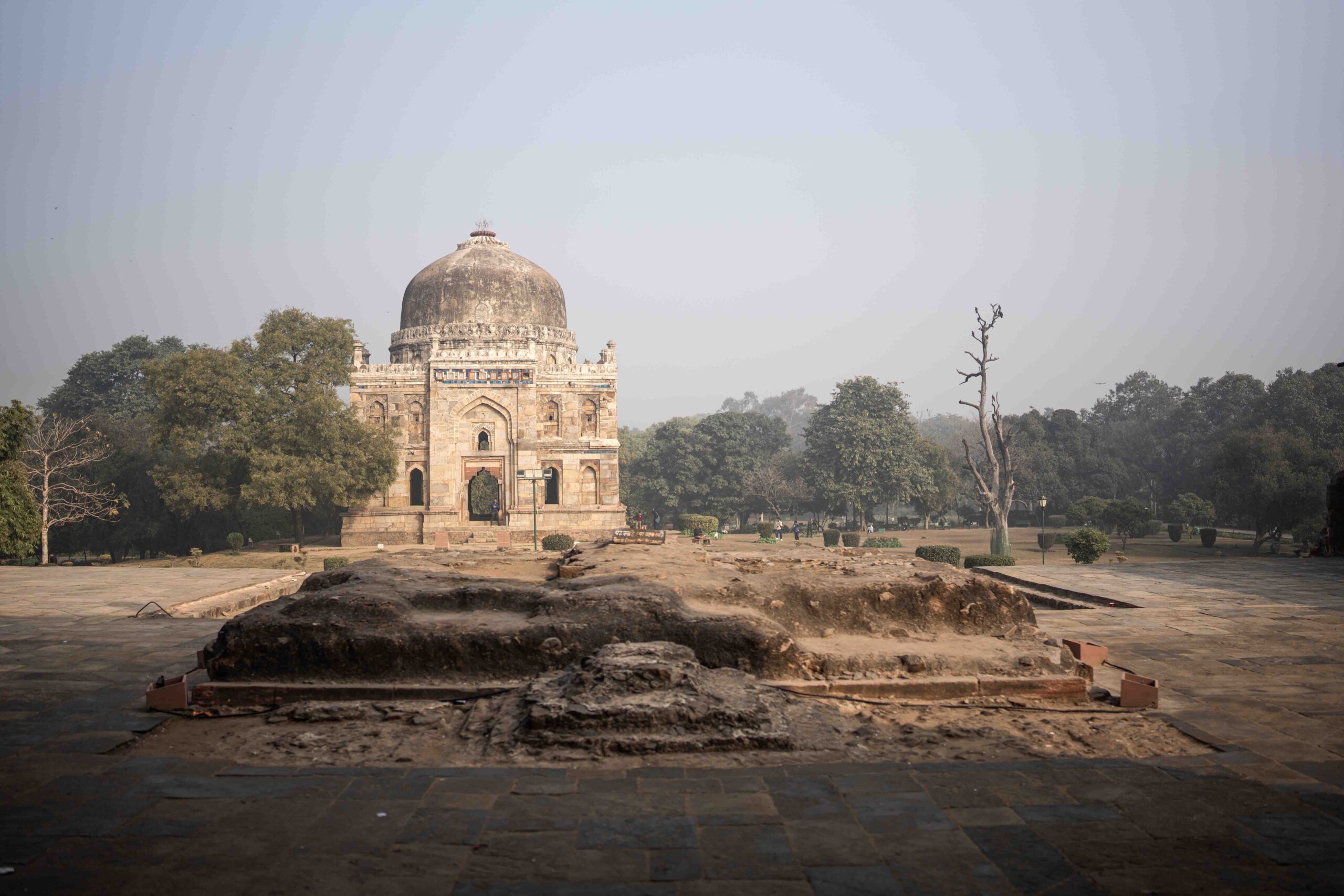
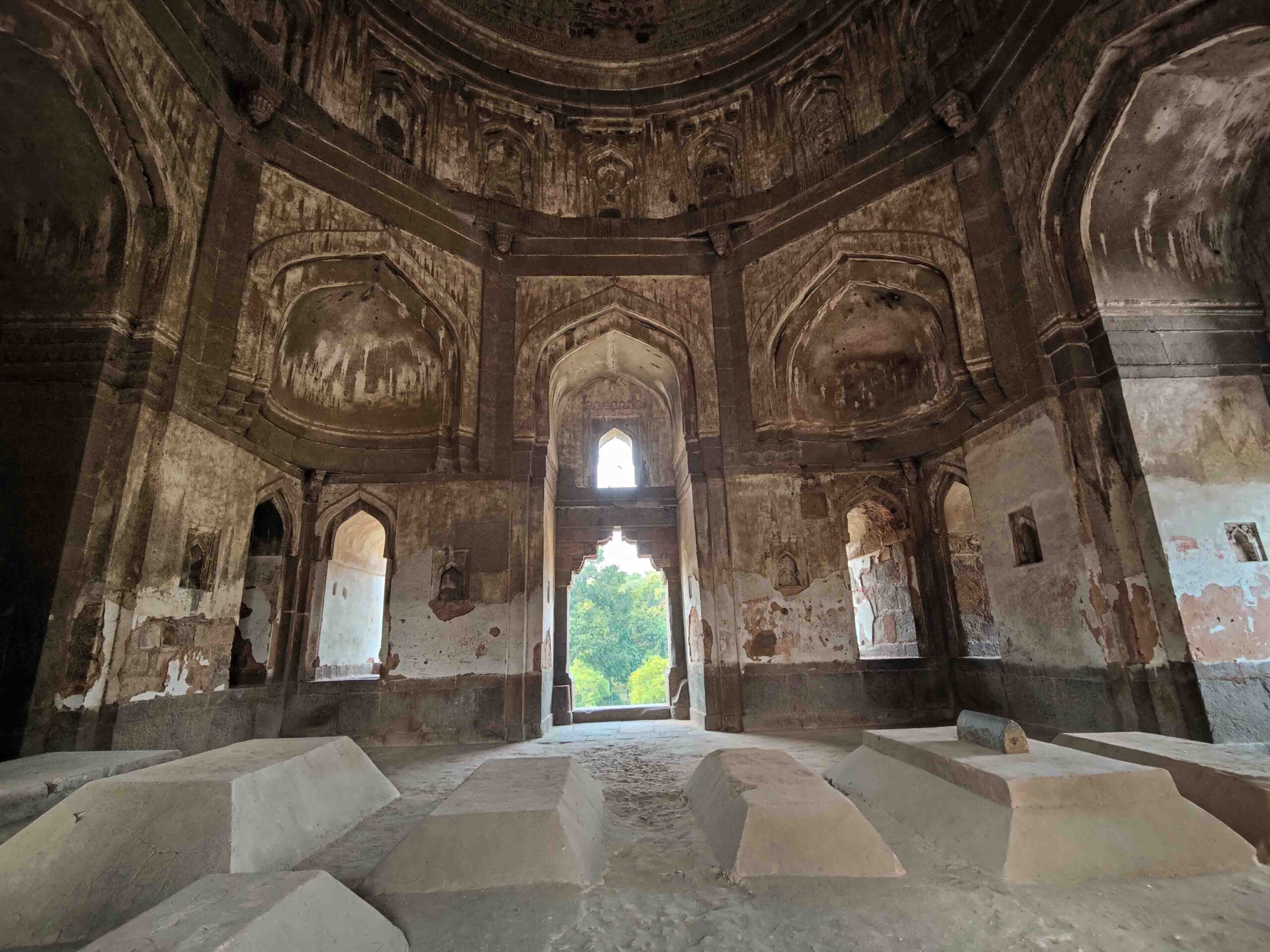
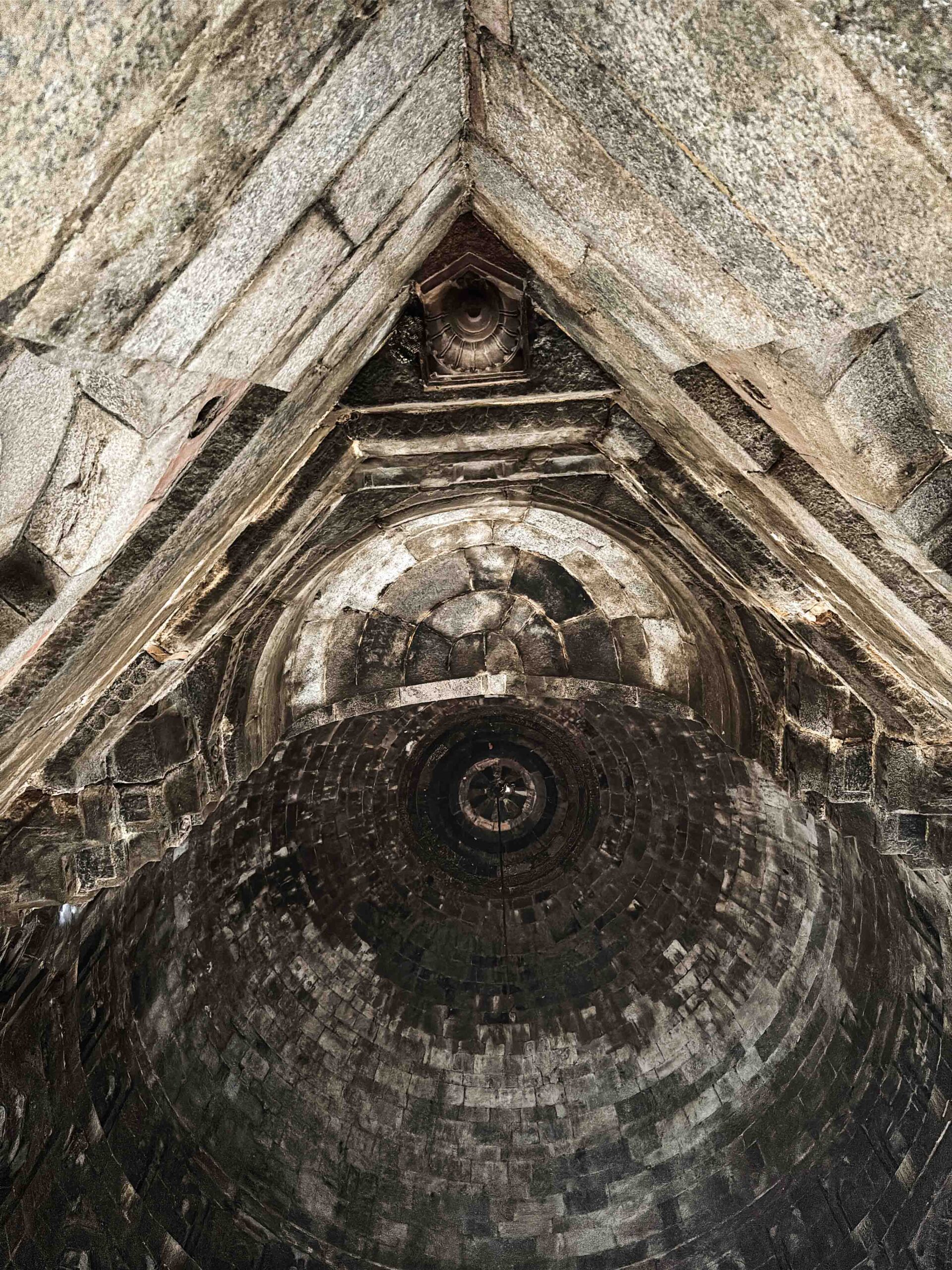
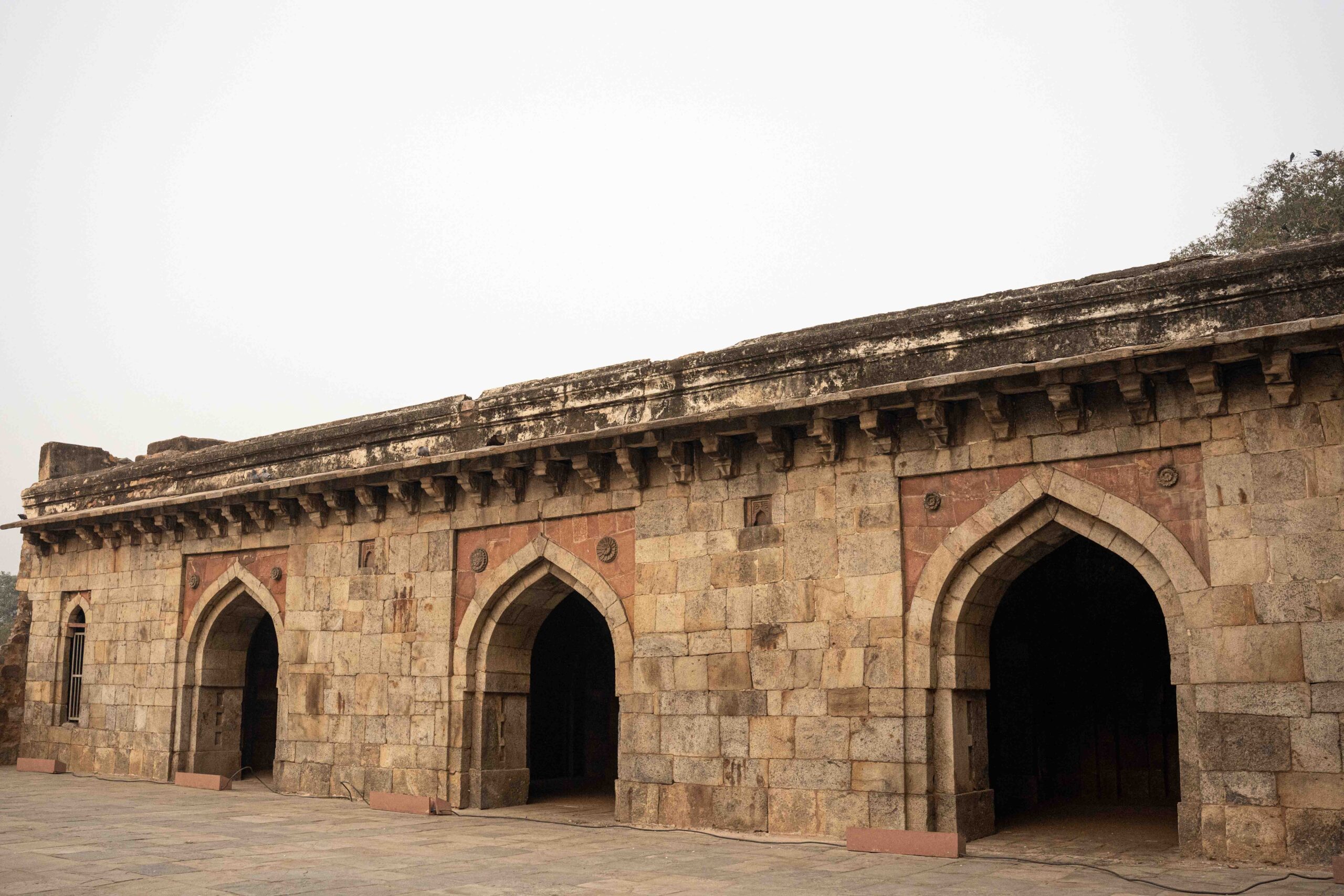
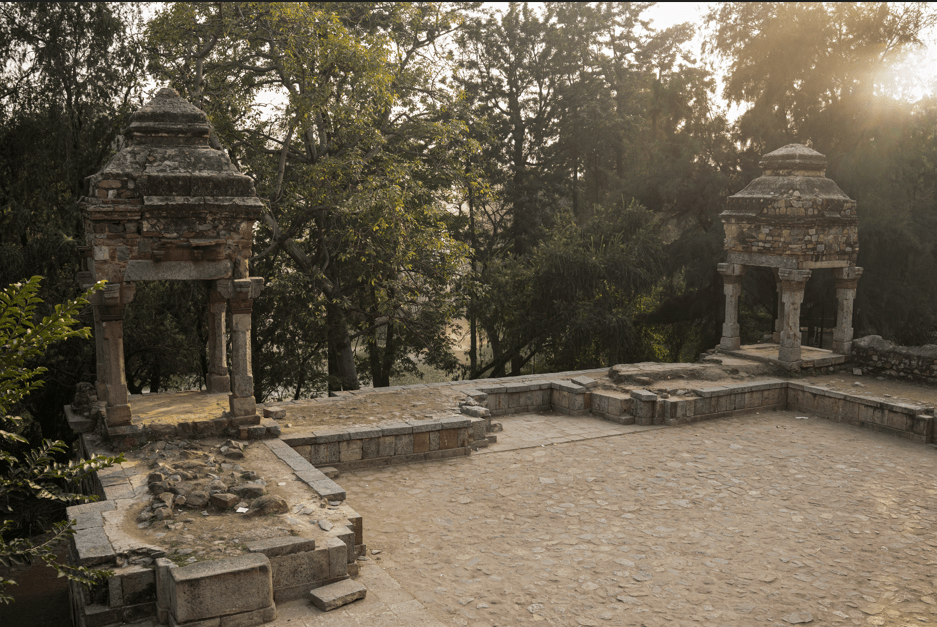
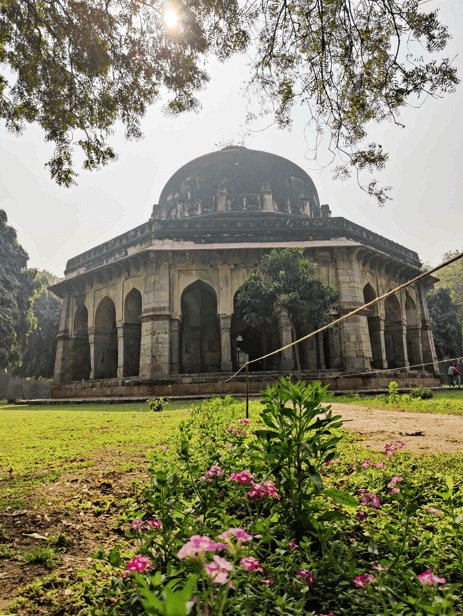
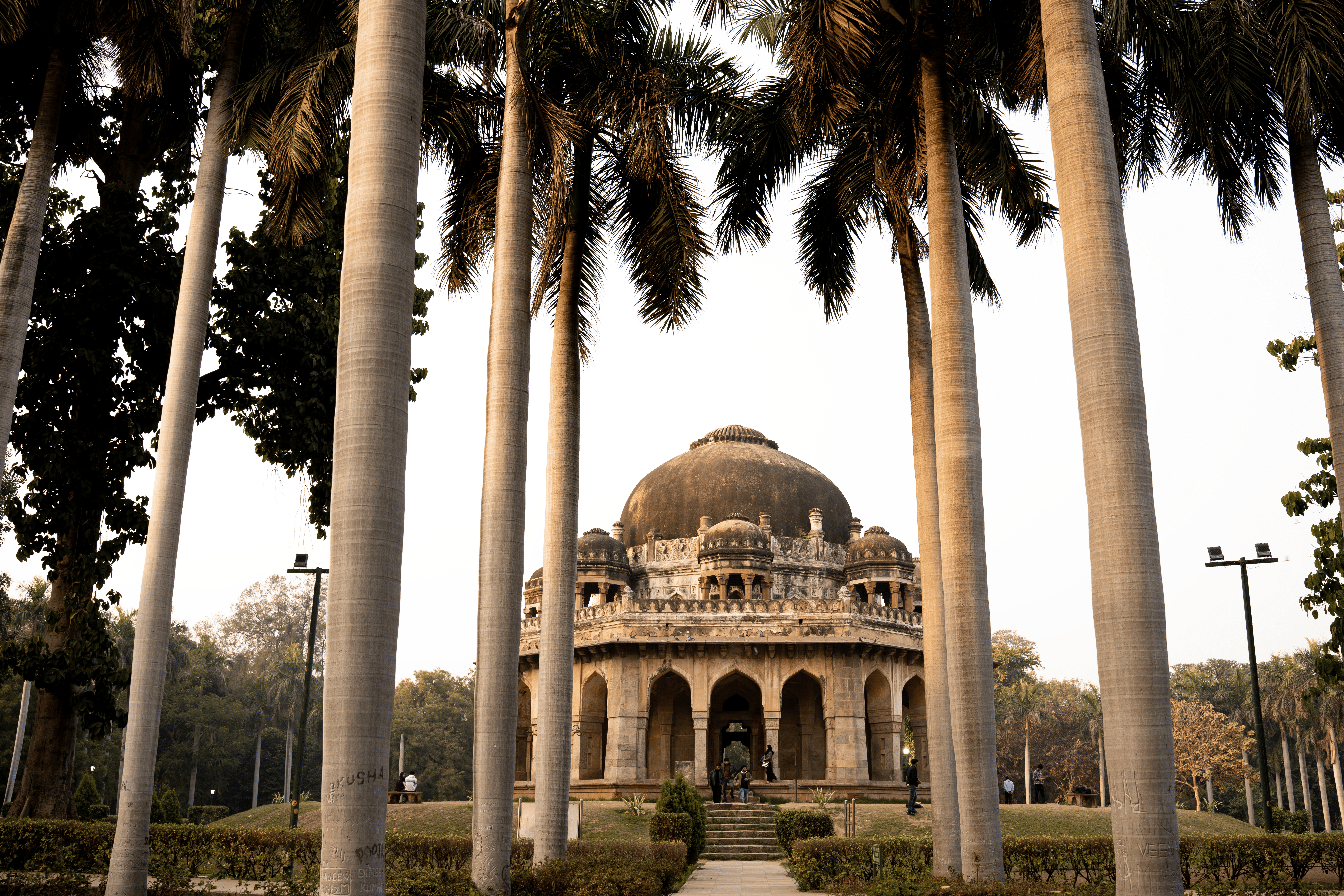
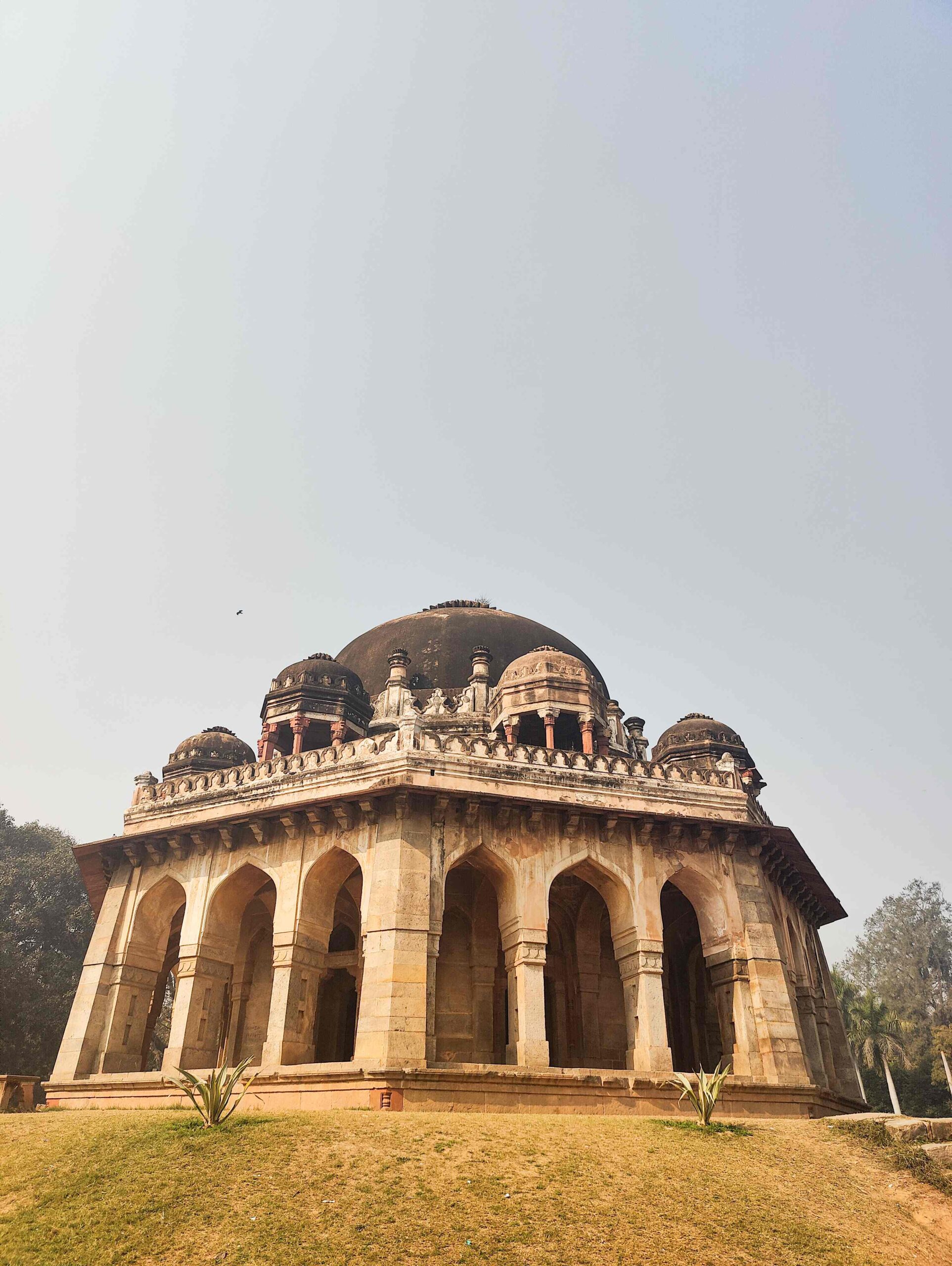
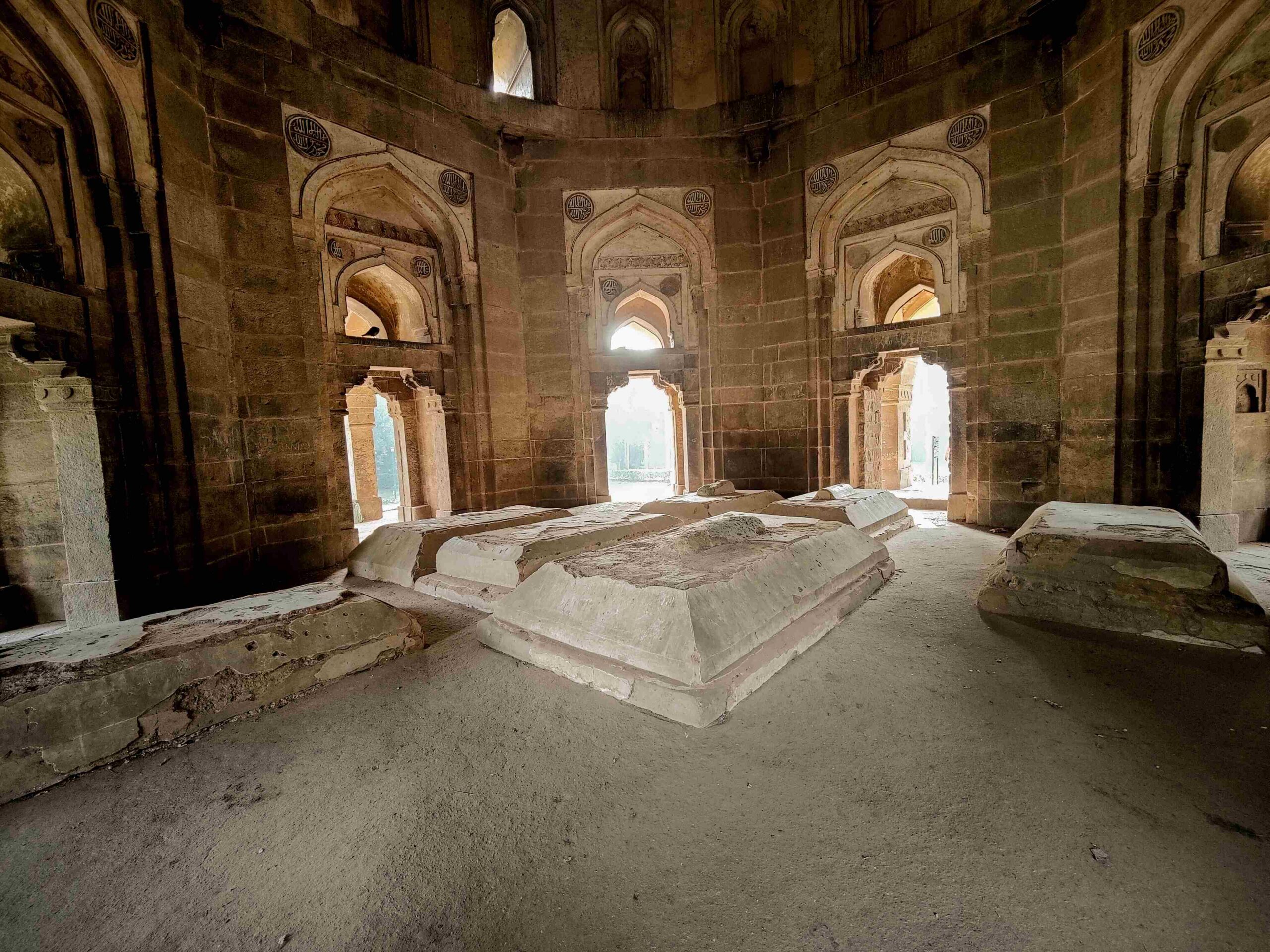
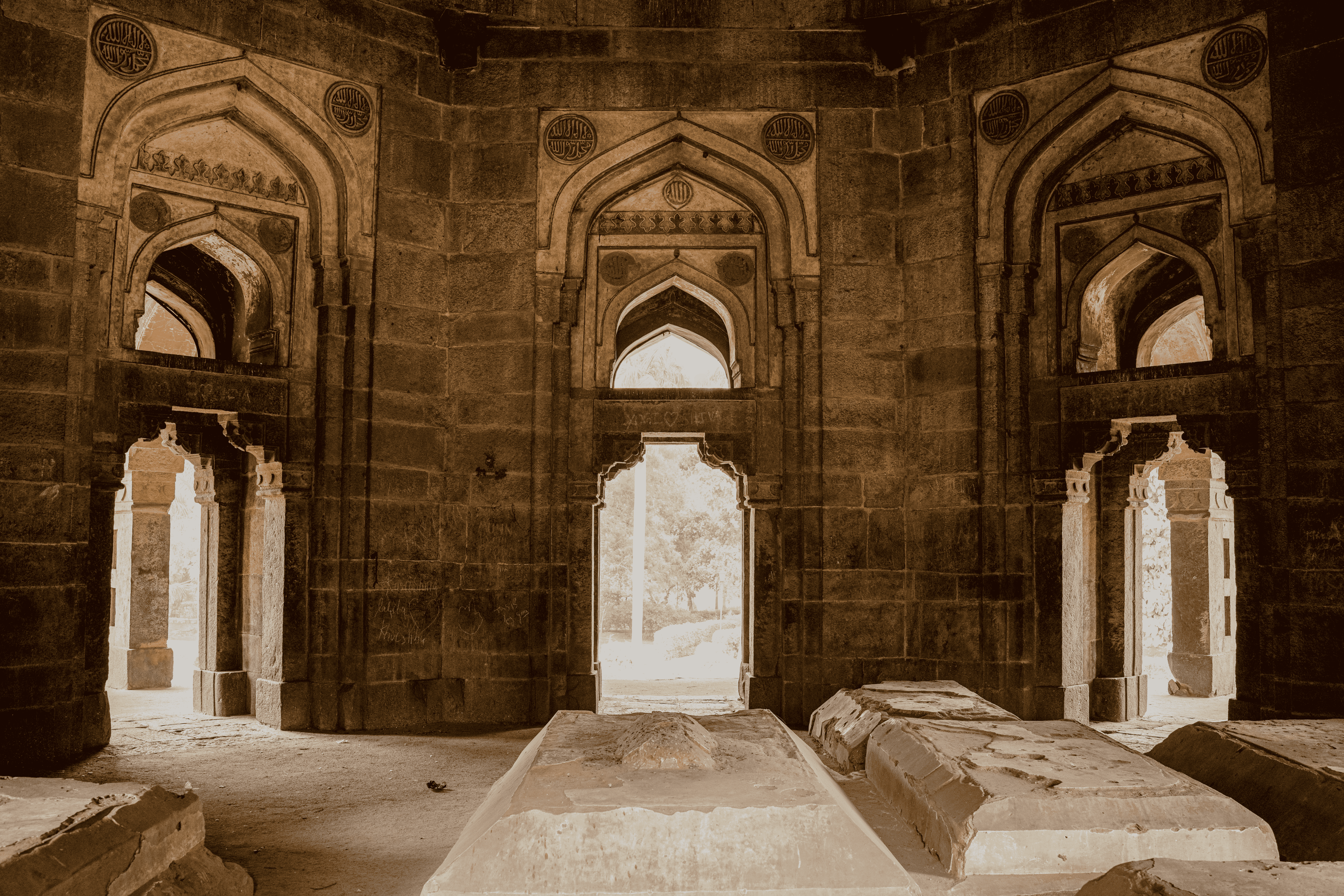
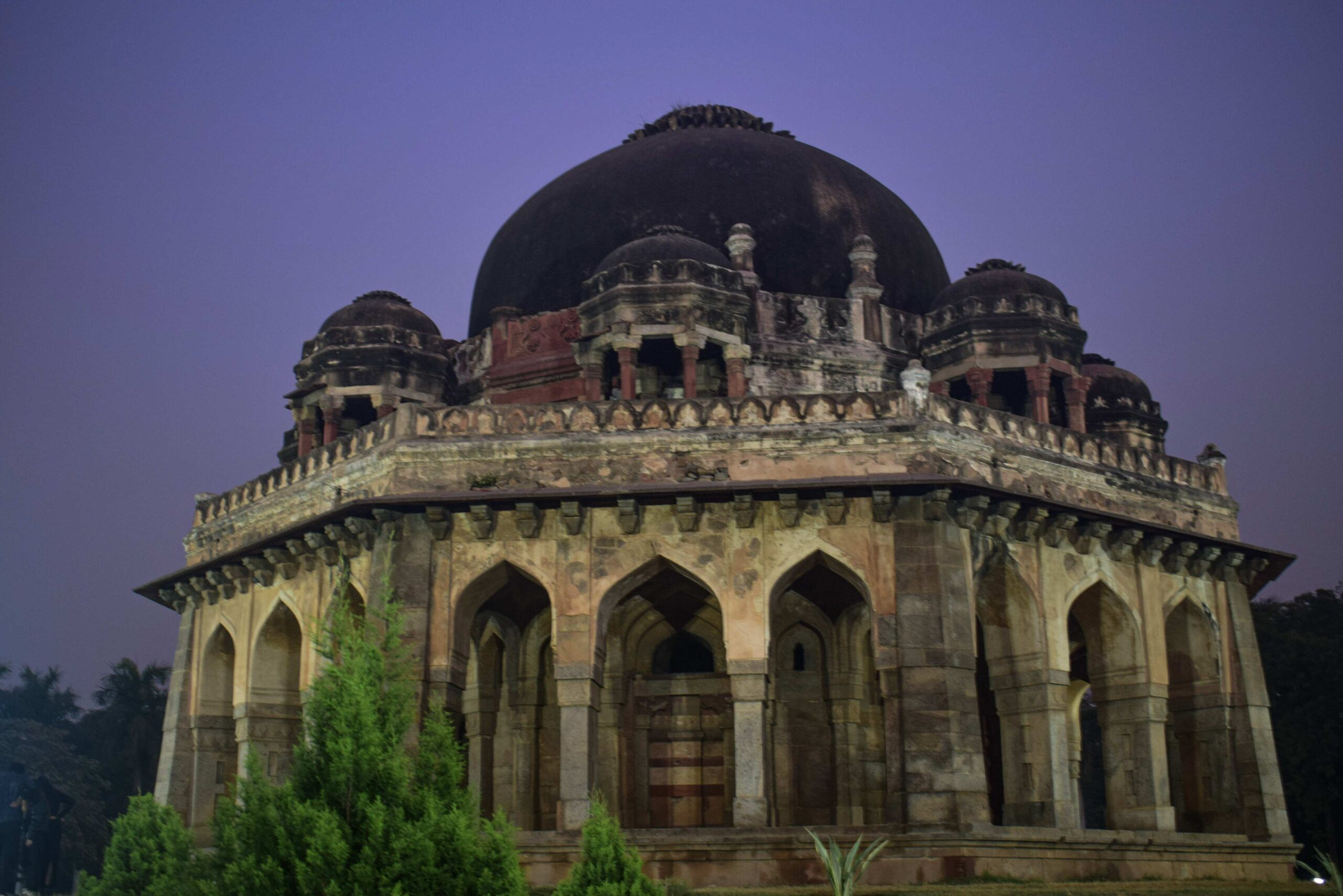
Nestled in the urban sprawl of South Delhi, Biran Ka Gumbad is a lesser-known yet intriguing monument from the Lodhi-era (15th century). This solitary tomb, built in the distinct Indo-Islamic architectural style, stands as a silent witness to Delhi’s layered history. Though officially classified as an Islamic funerary structure, closer examination reveals traces of Hindu temple architecture, raising the question of whether this site had a Hindu past before the tomb was erected.

biran ka gumbad

Architectural Features of Biran Ka Gumbad

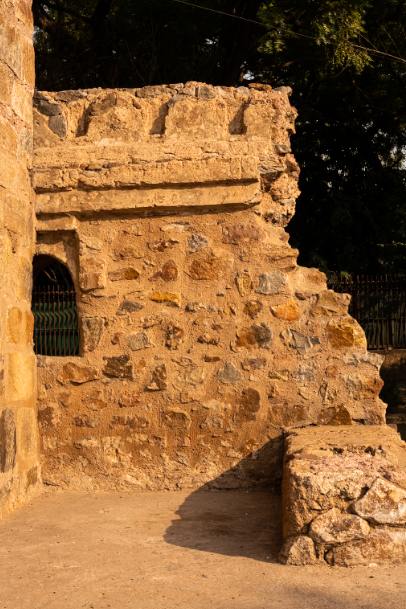
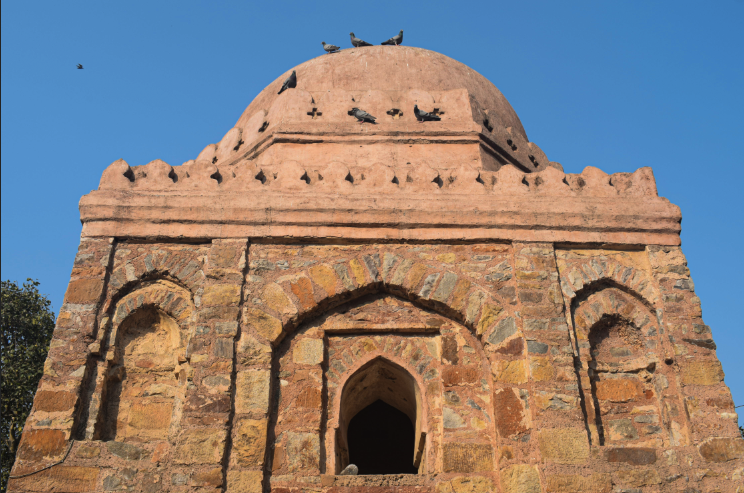
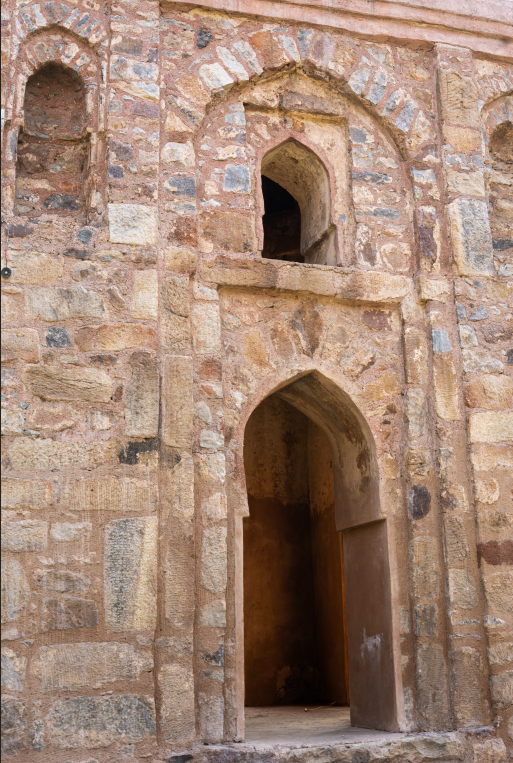
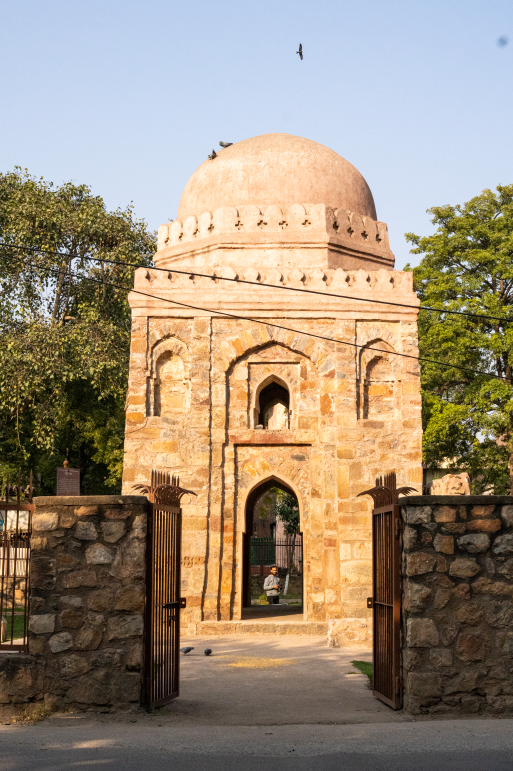
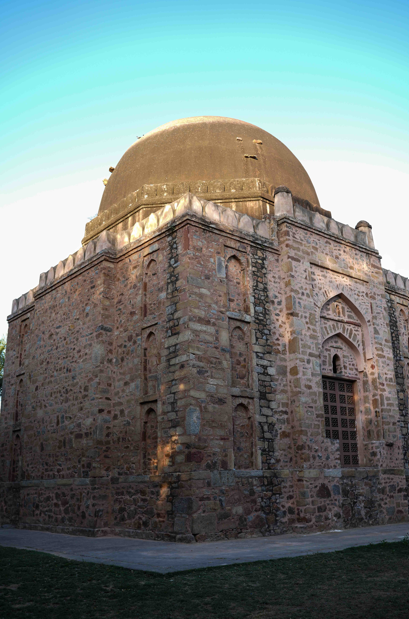
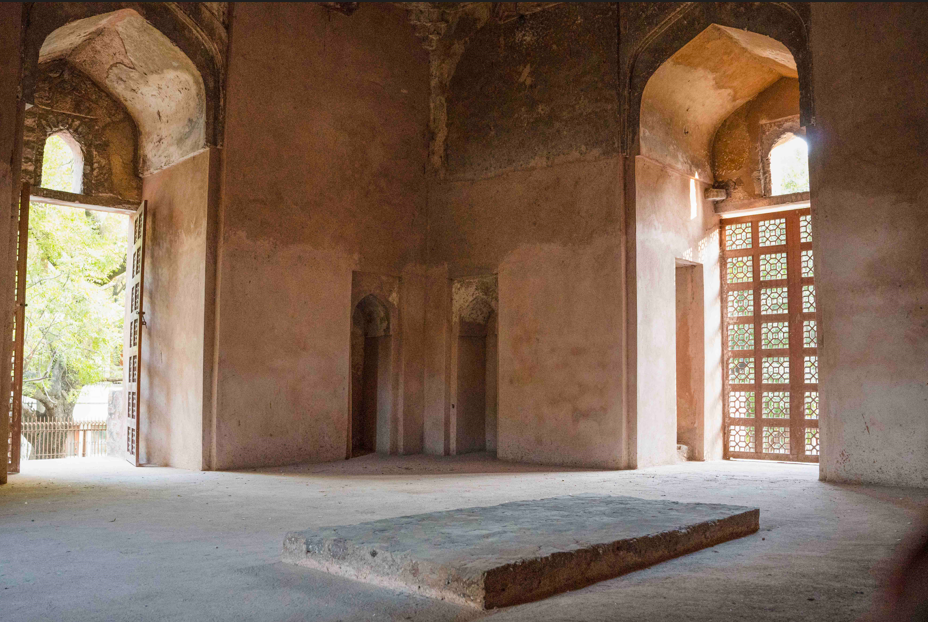
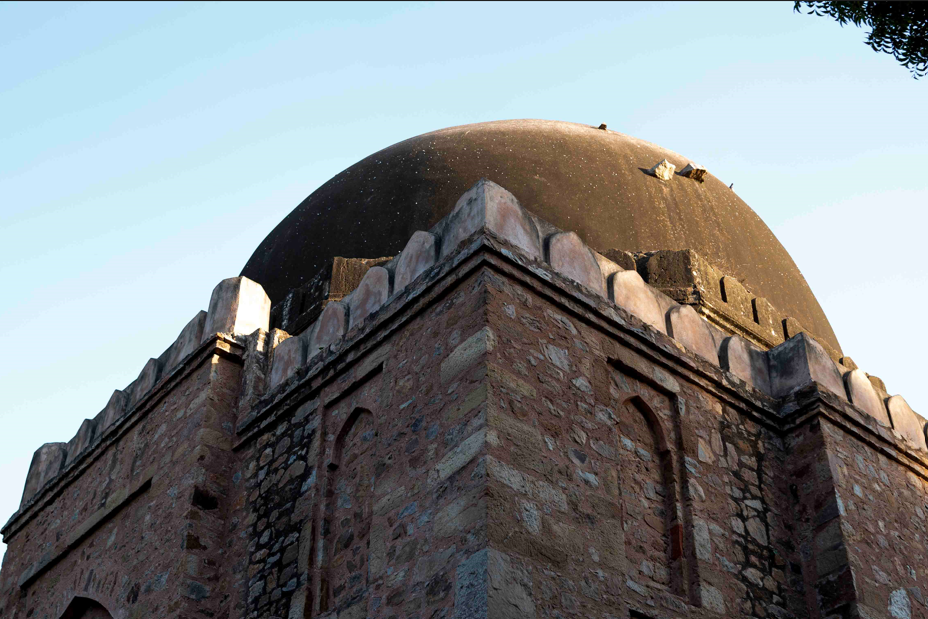
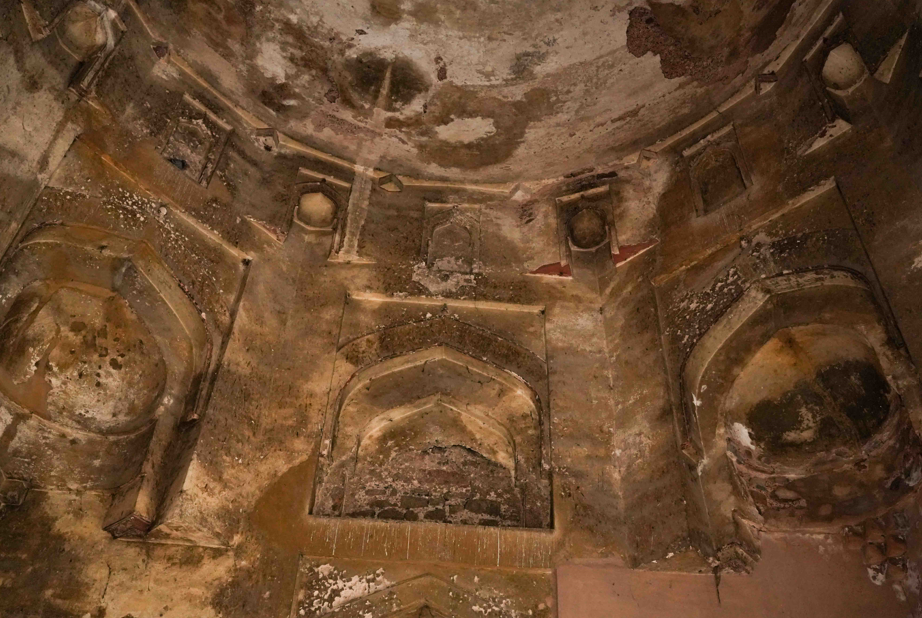
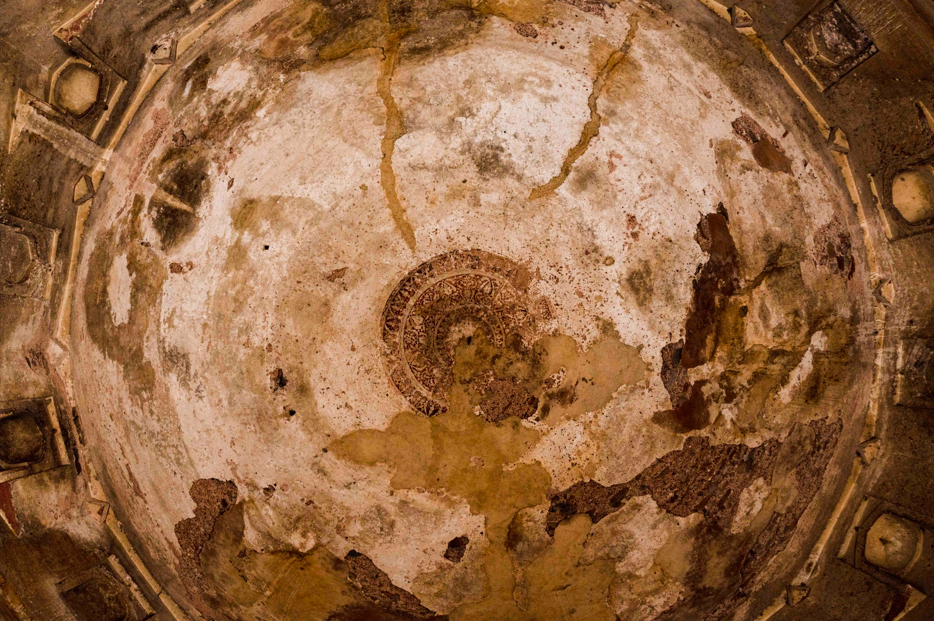
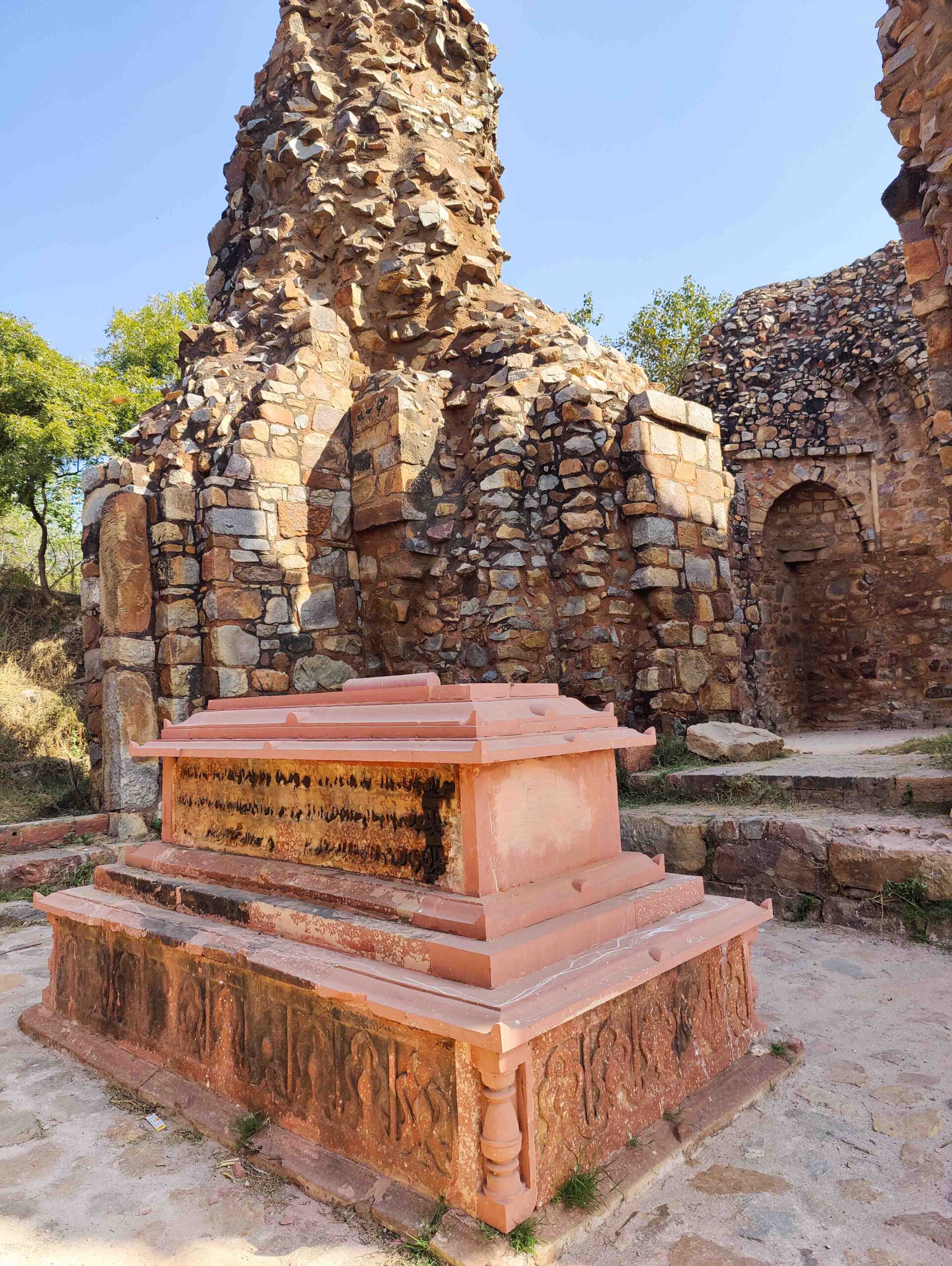
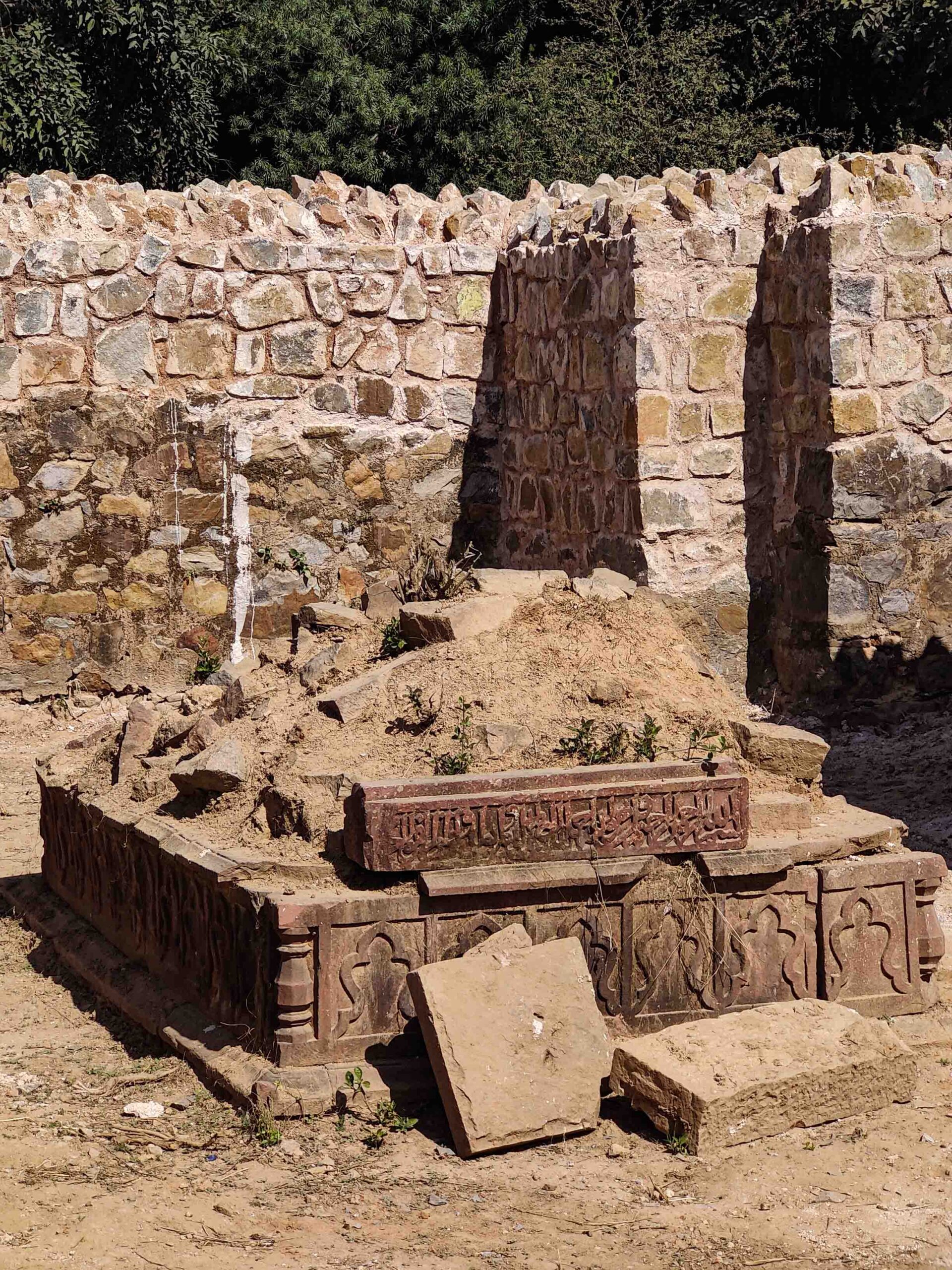
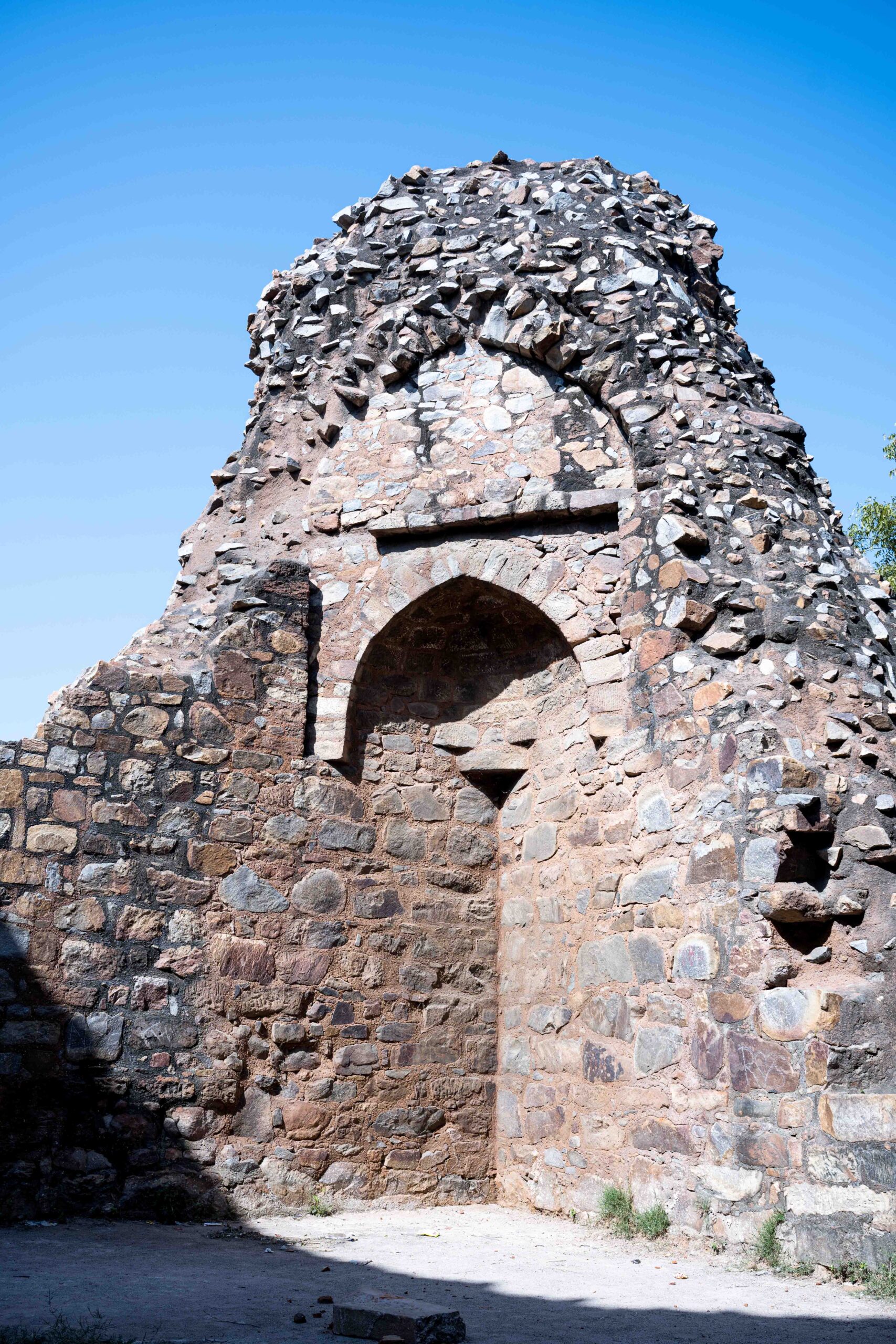
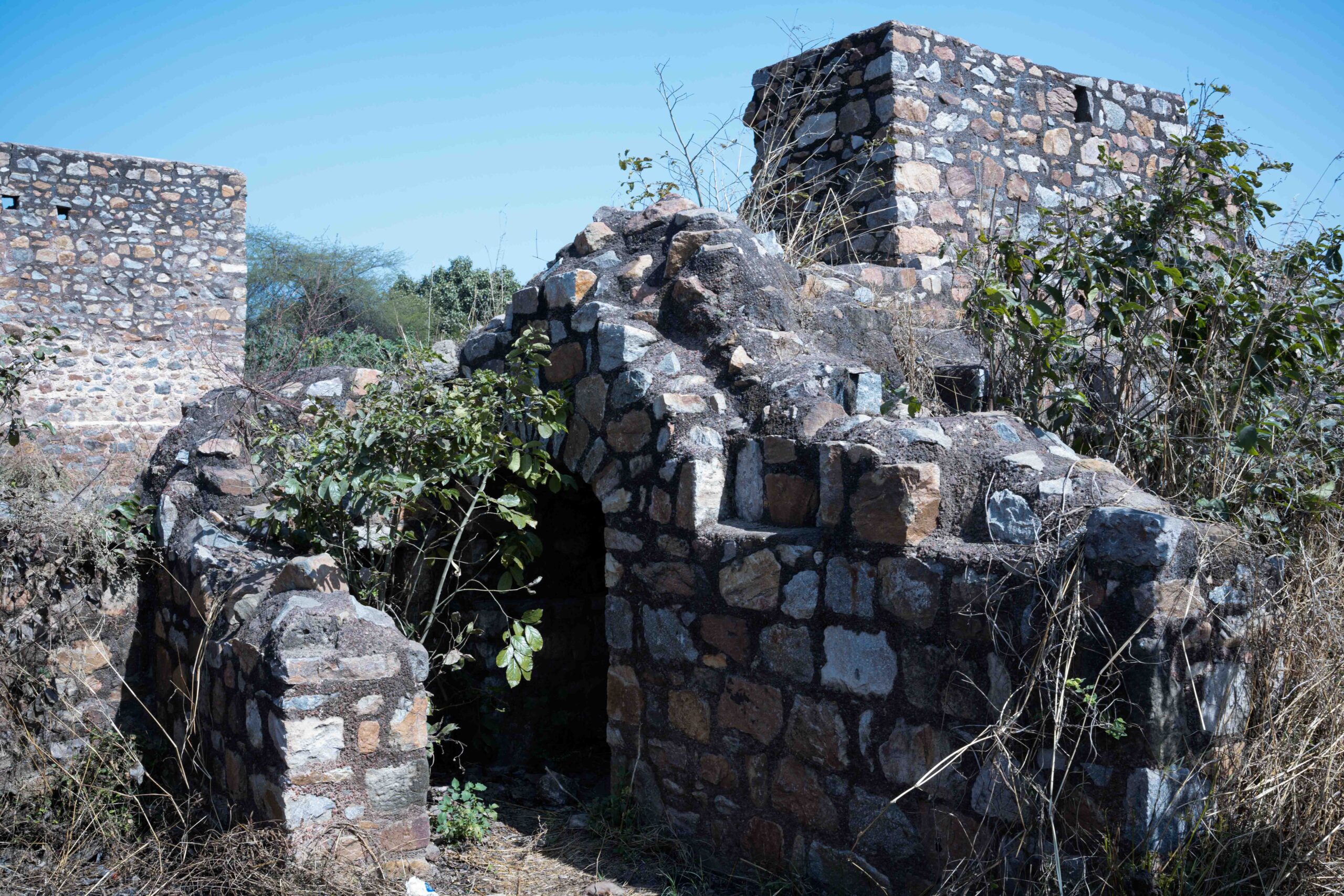
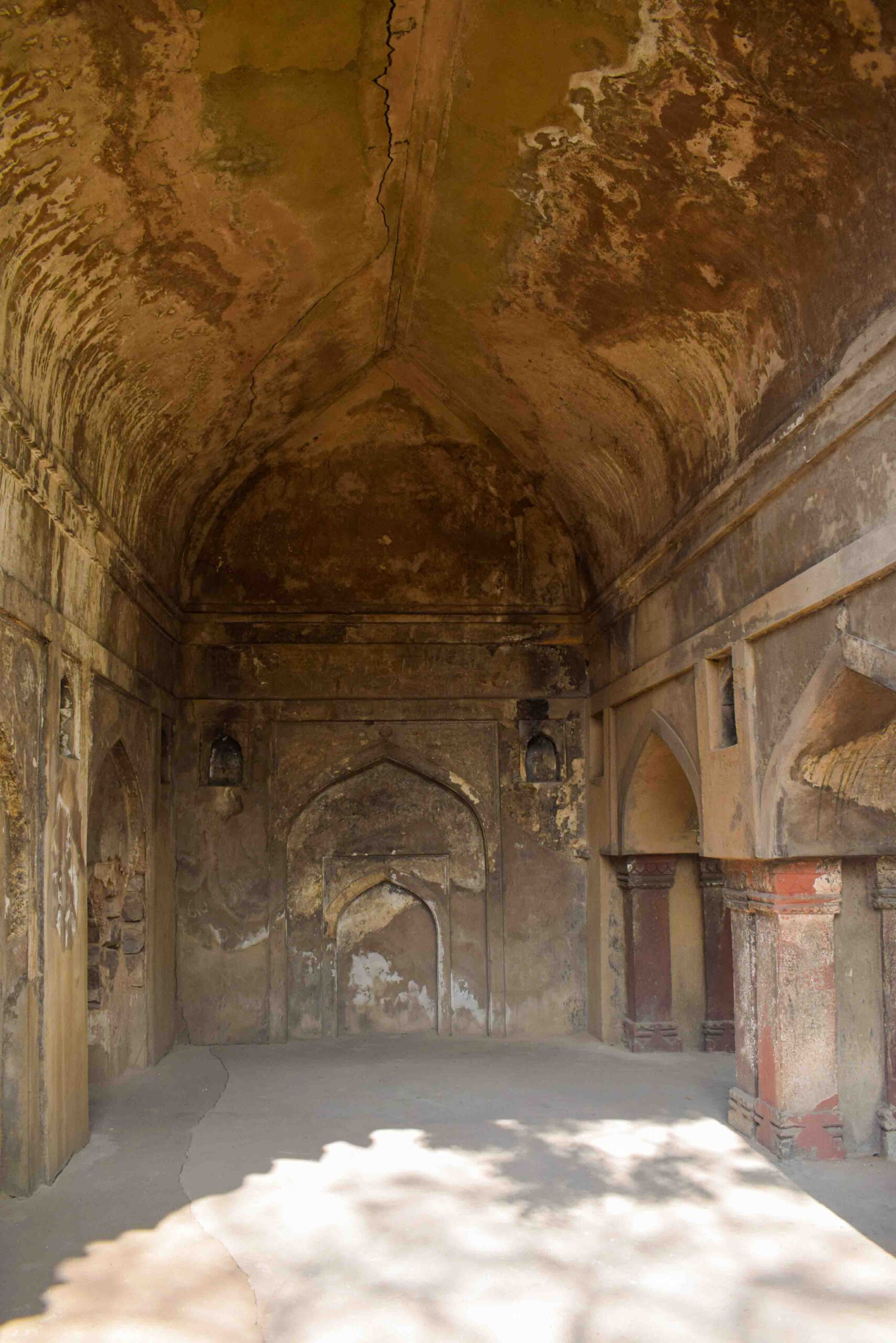
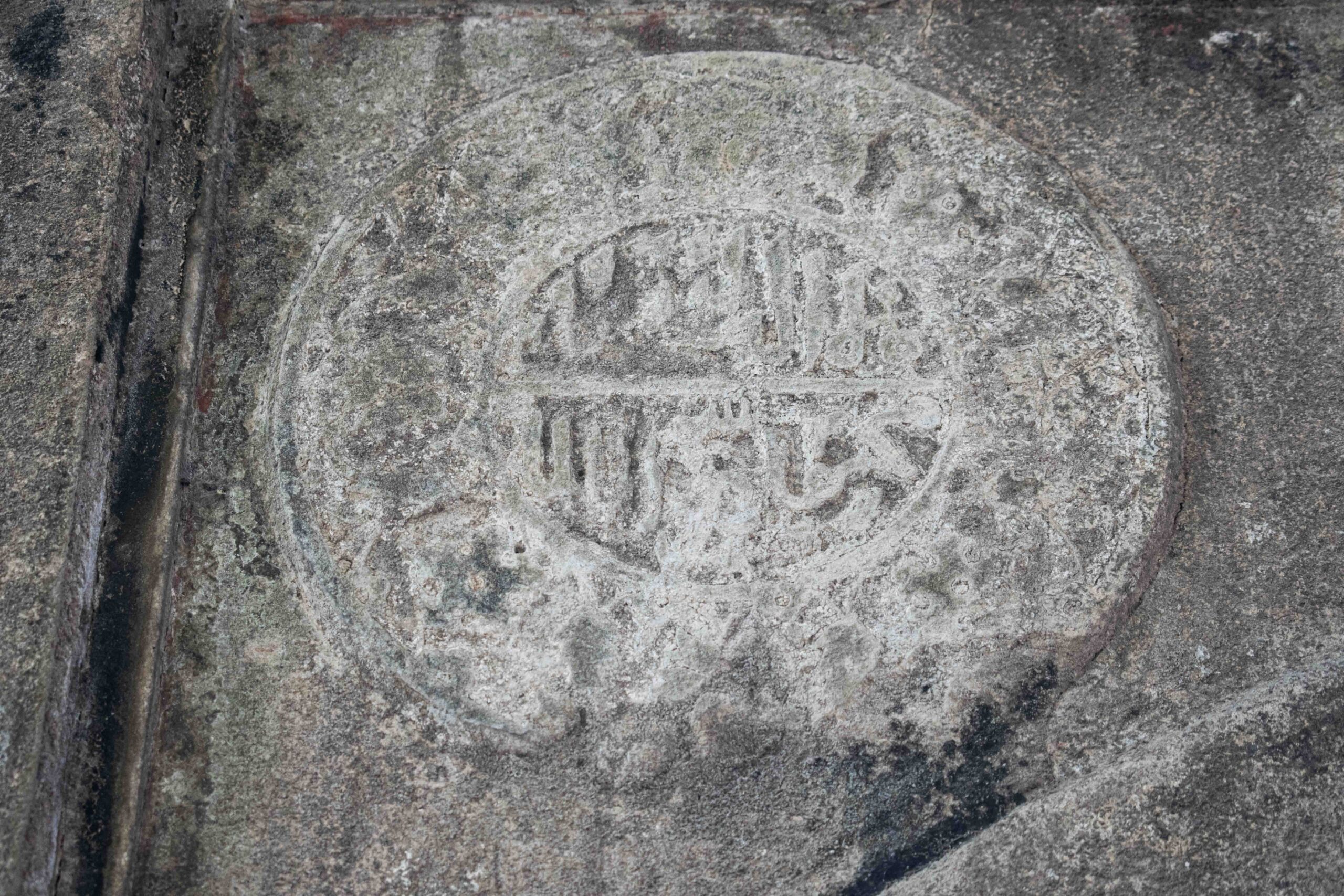
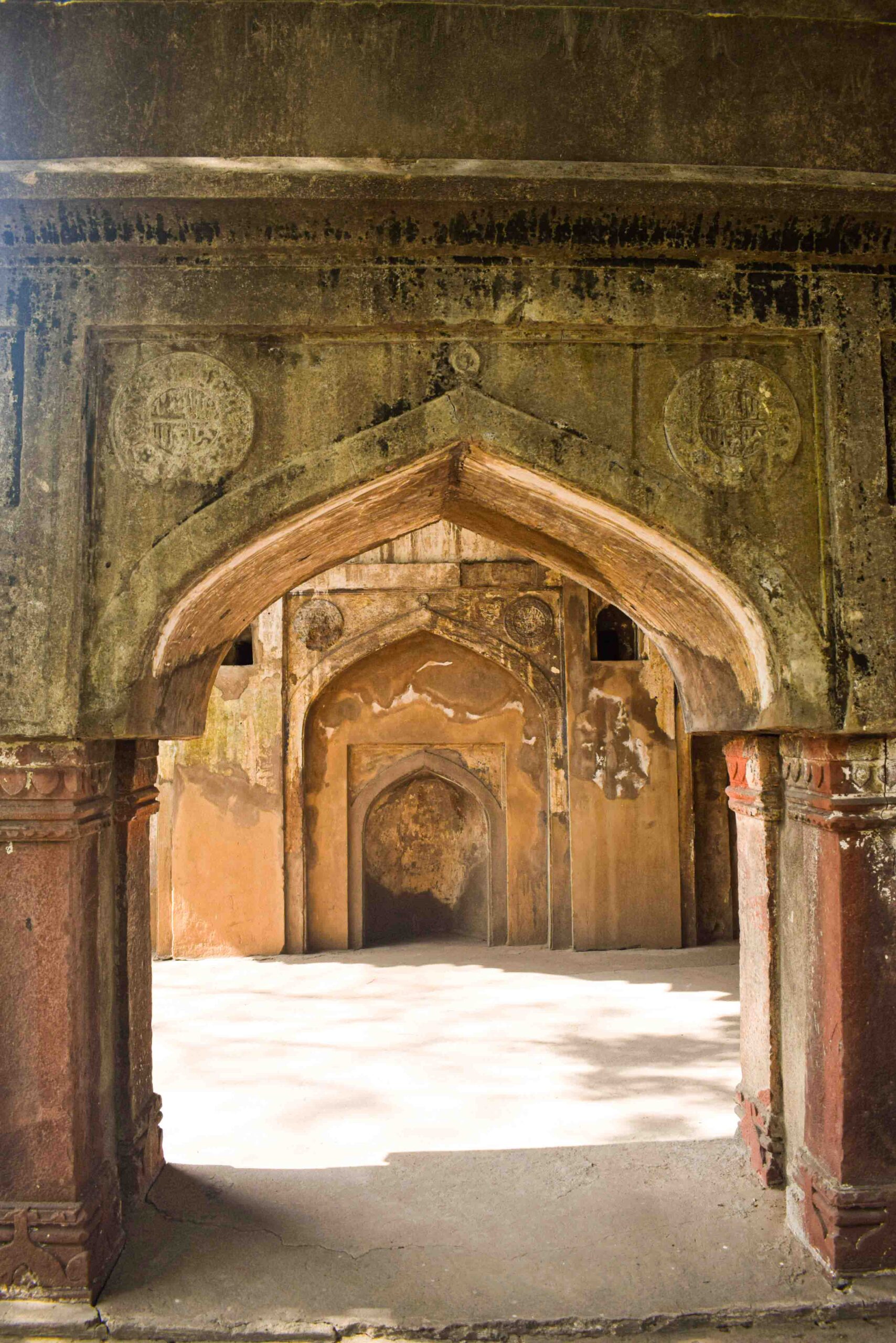
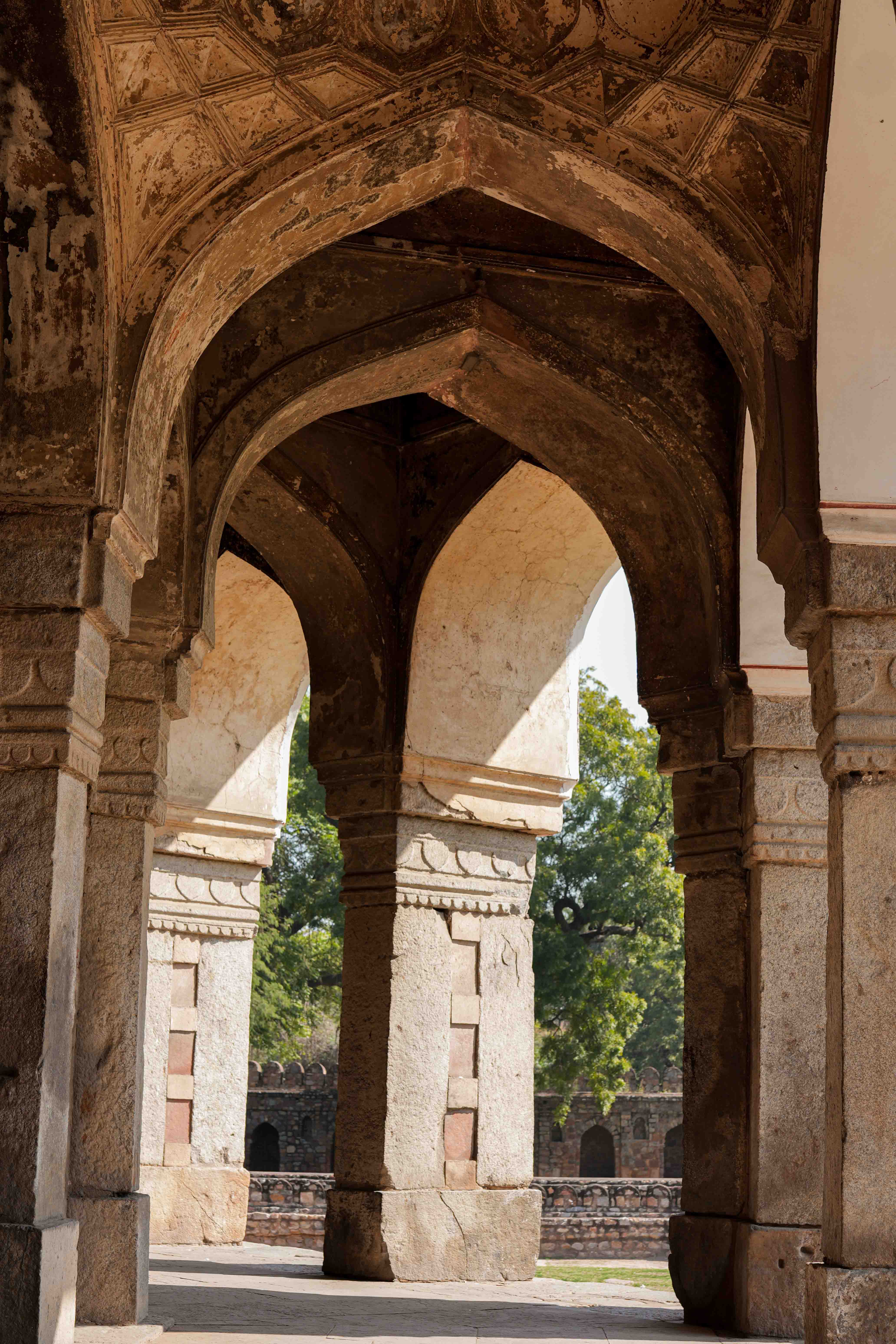
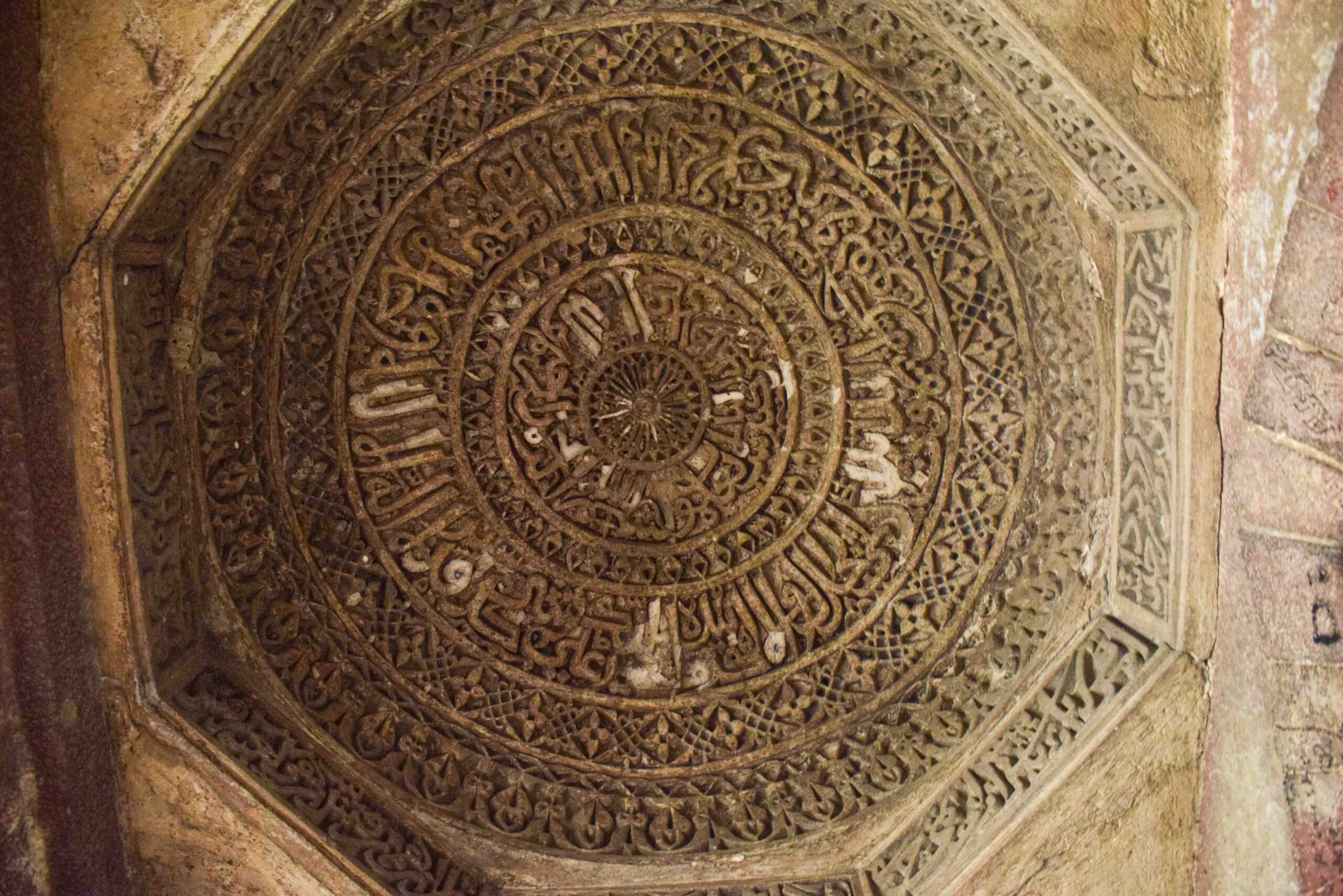
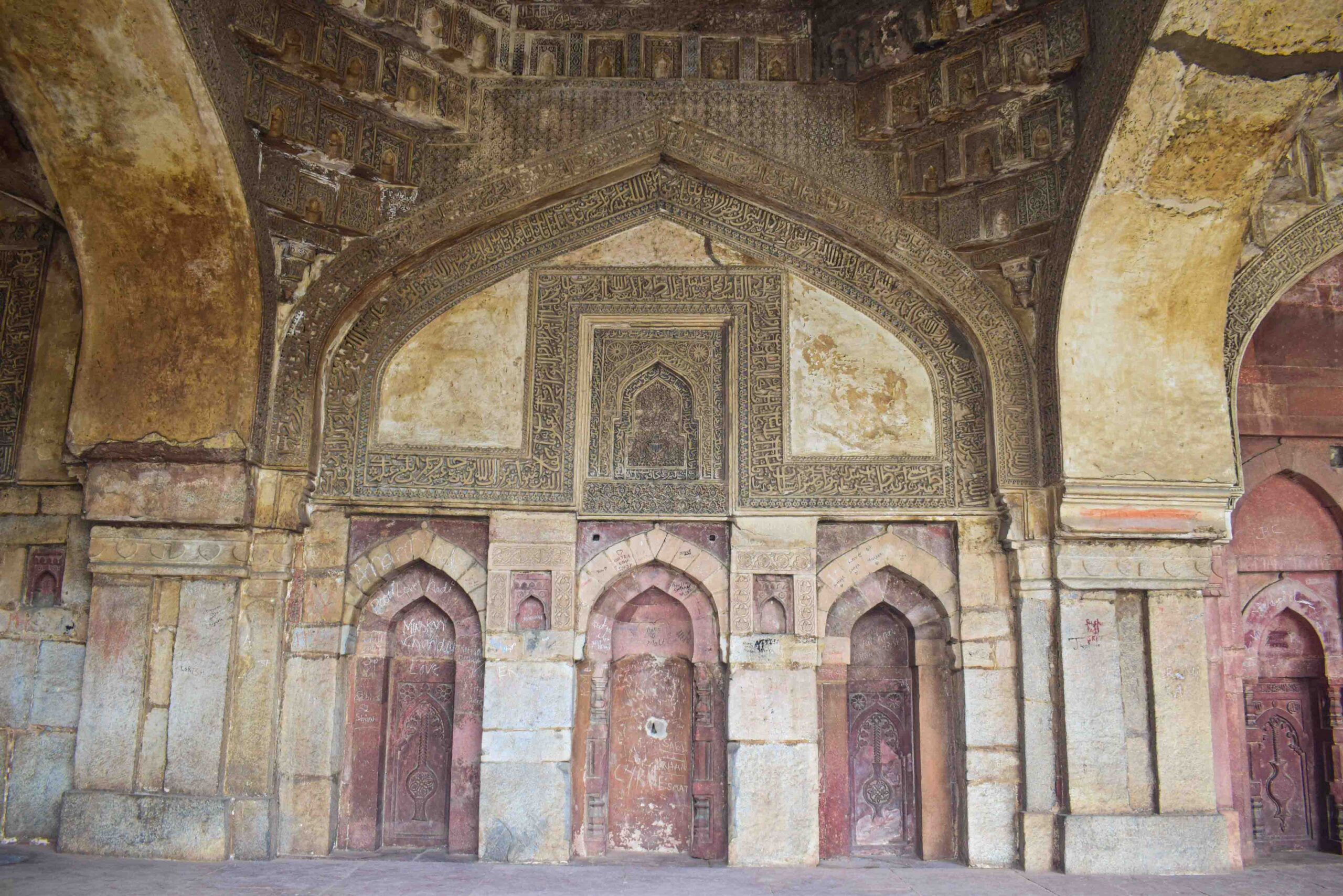
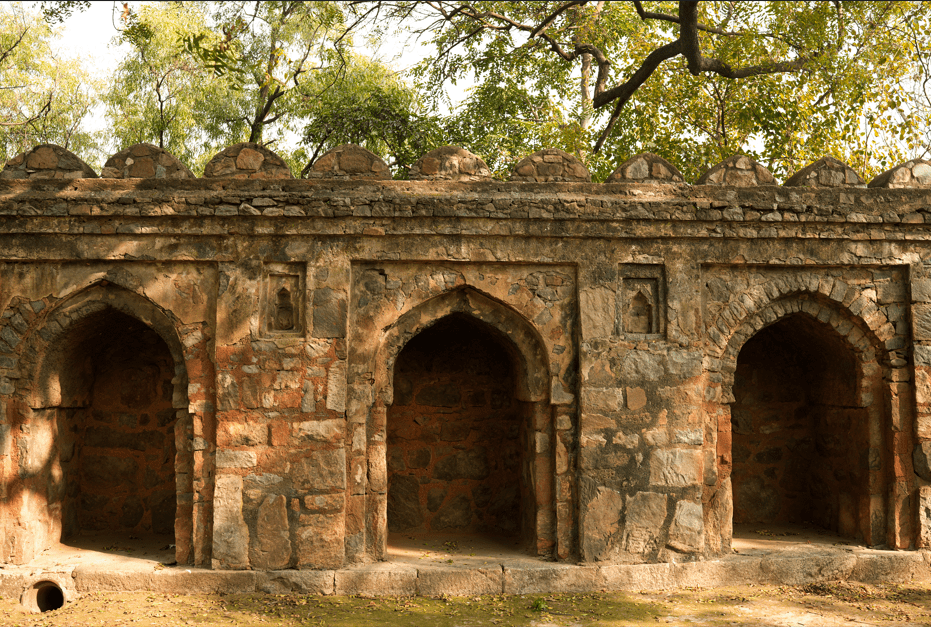
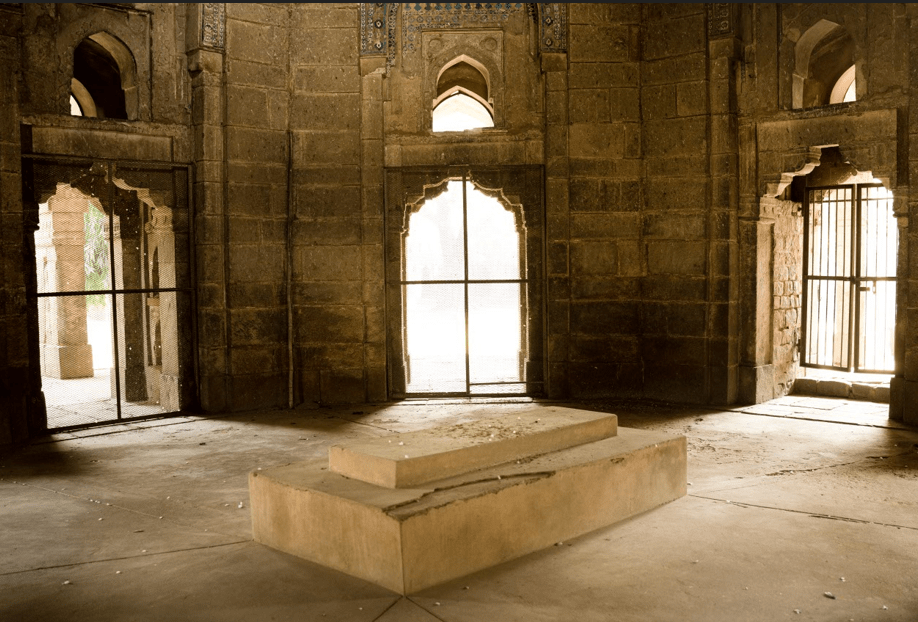
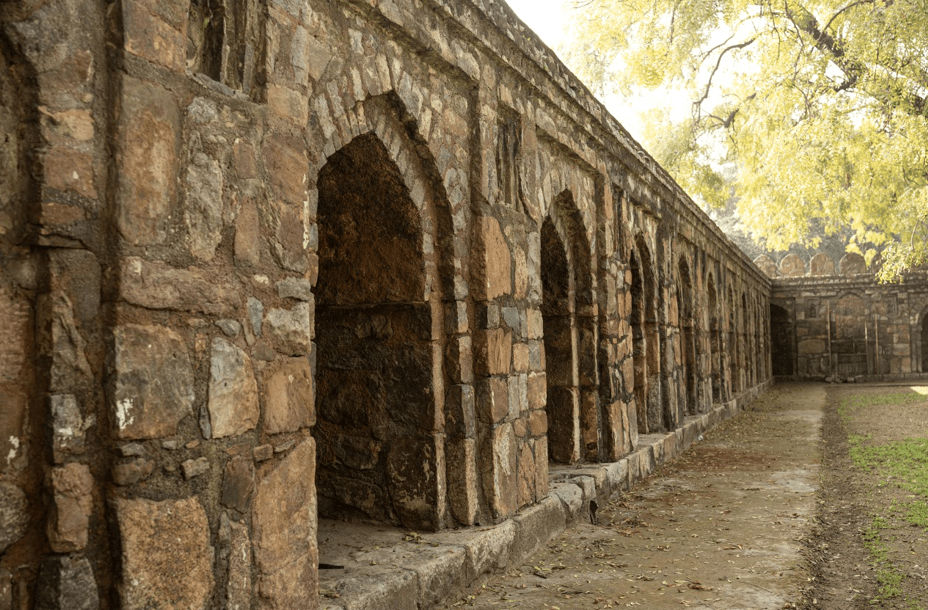
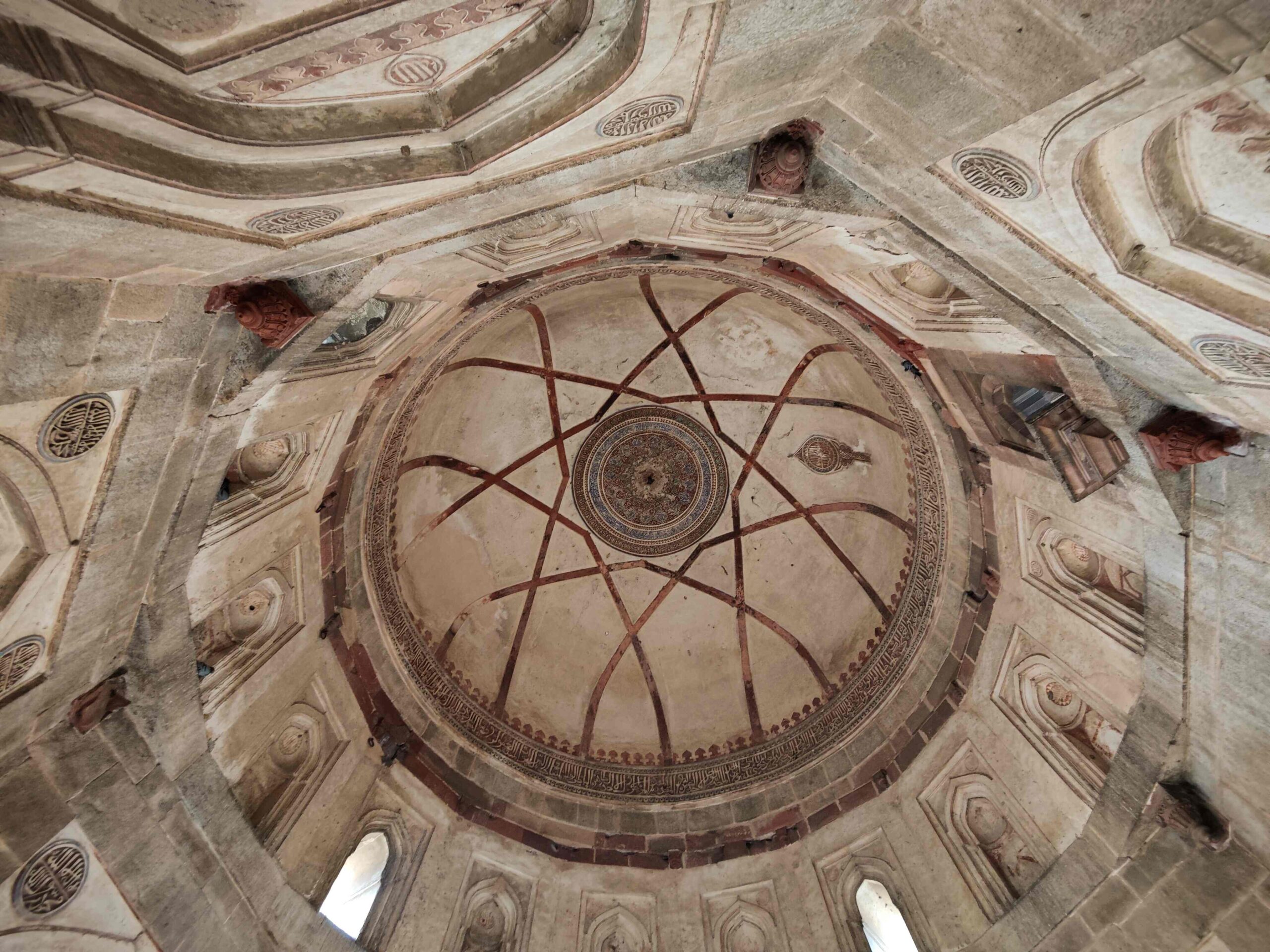
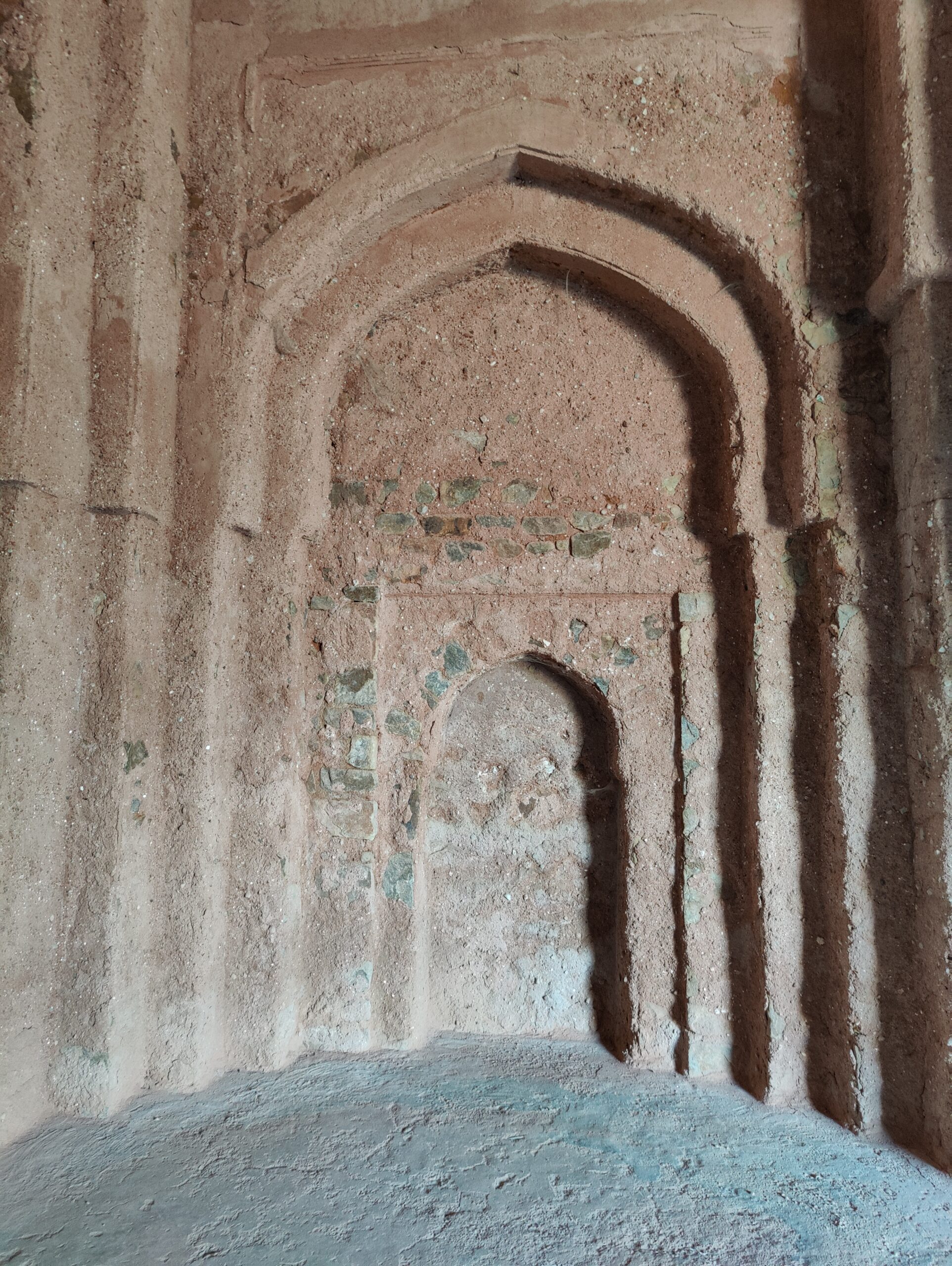
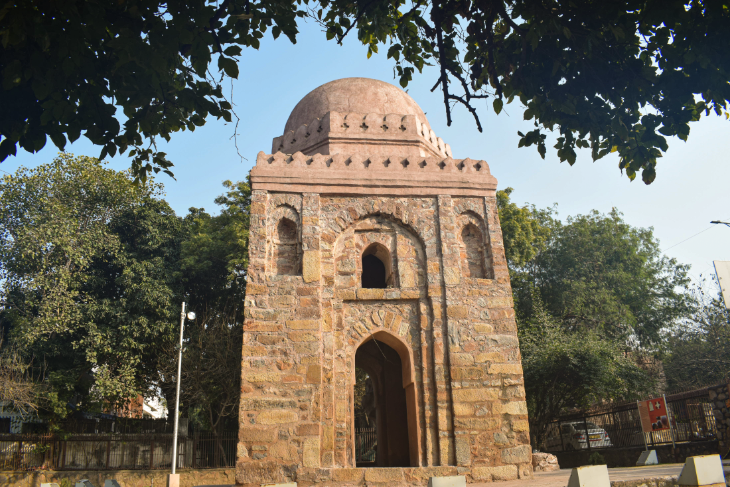
Biran Ka Gumbad is a square tomb, crowned by a massive dome, a characteristic feature of Sultanate-era architecture. The structure is made of rubble masonry which is beleived to be added during the conversion of the ancient site. It displays intricate detailing on its arched entrances and mihrab (prayer niche). The tomb follows the common Lodhi-era design, with minimal ornamentation and a strong emphasis on geometric forms.

biran ka gumbad

Key Architectural Elements:

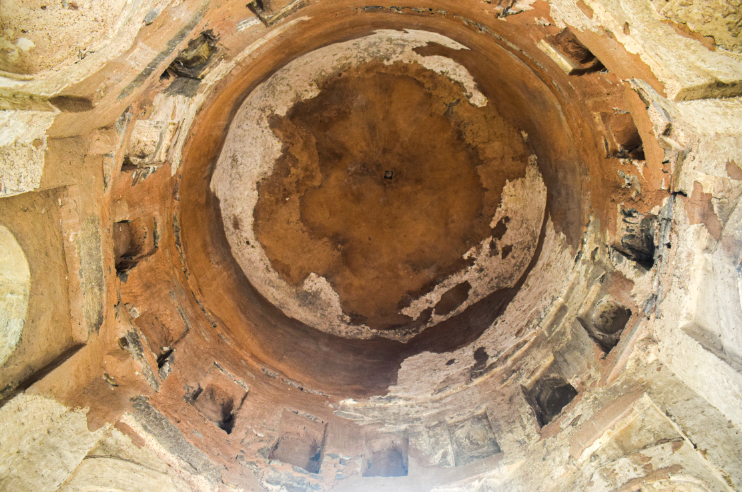
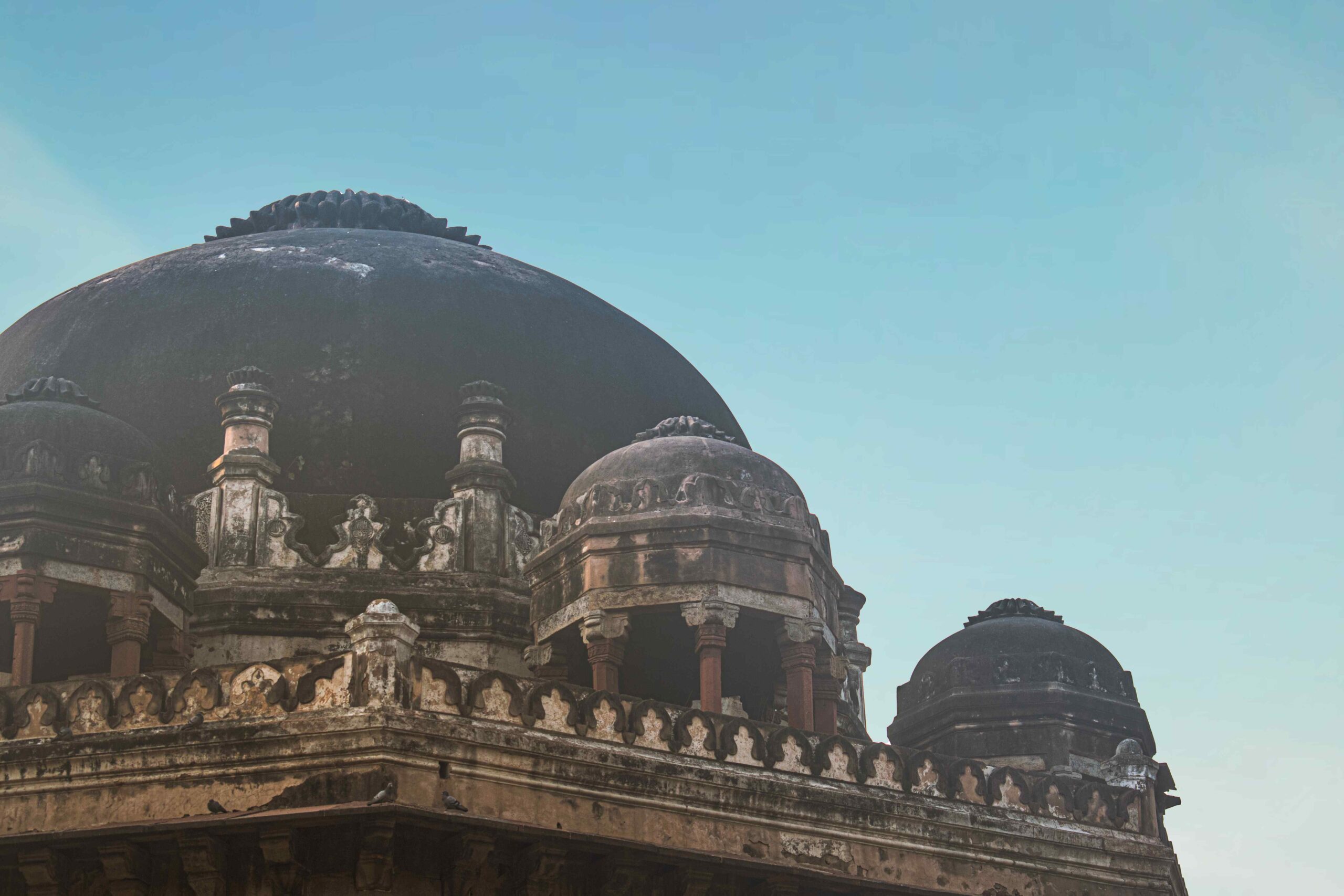
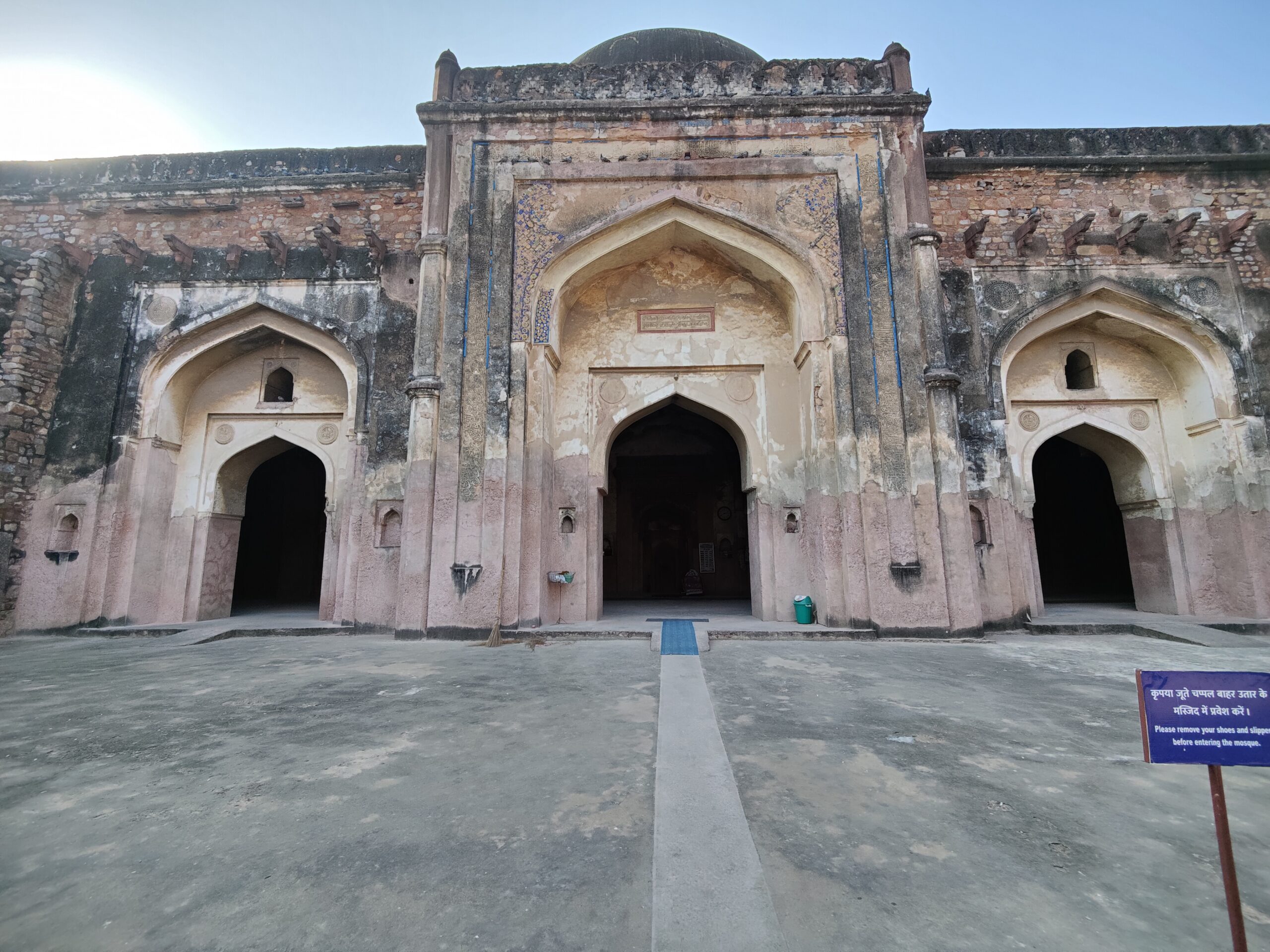
  1. Dome with a Finial: The tomb features a large hemispherical dome, typical of Islamic mausoleums.biran ka gumbad
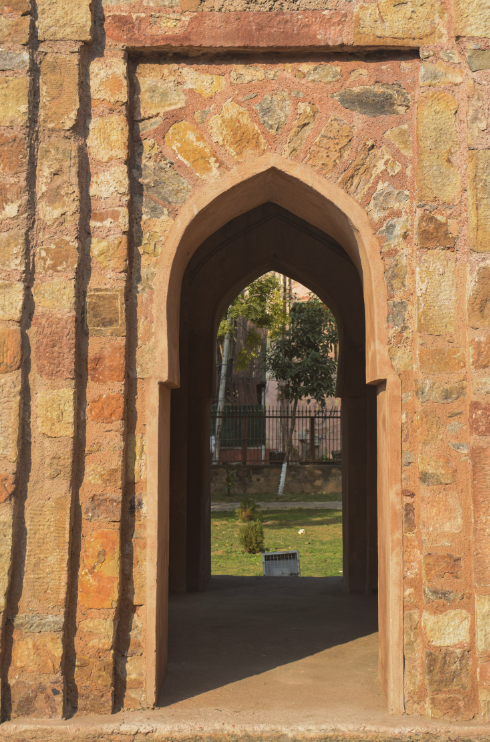
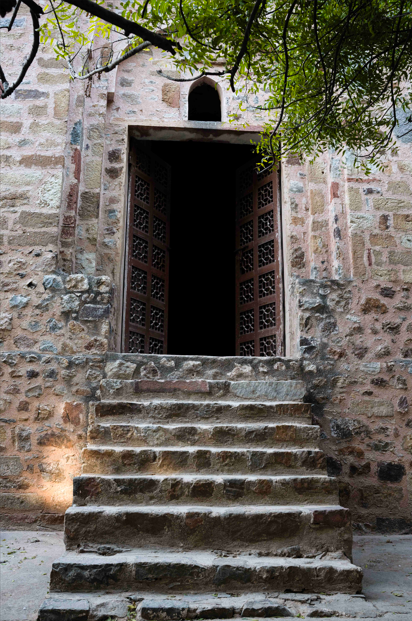
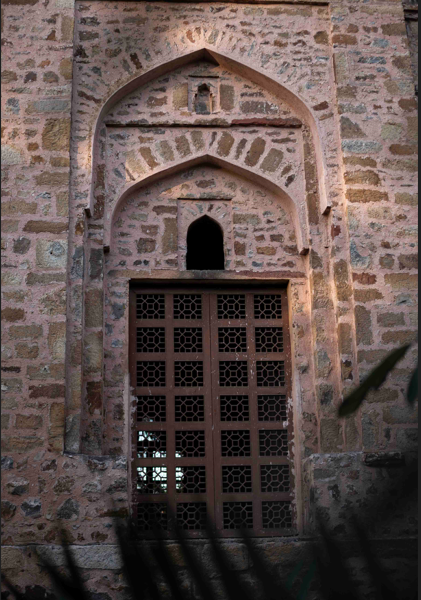
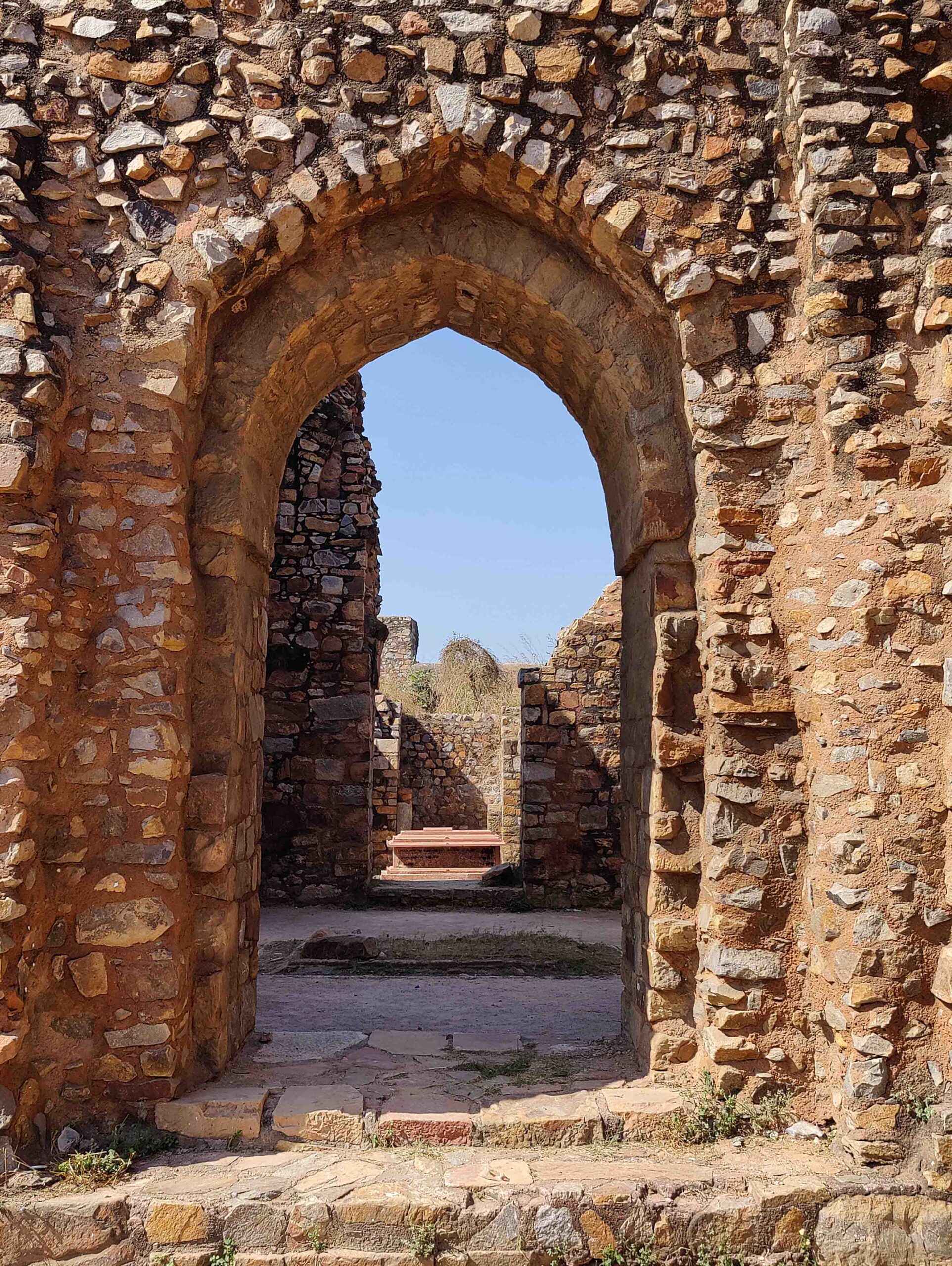
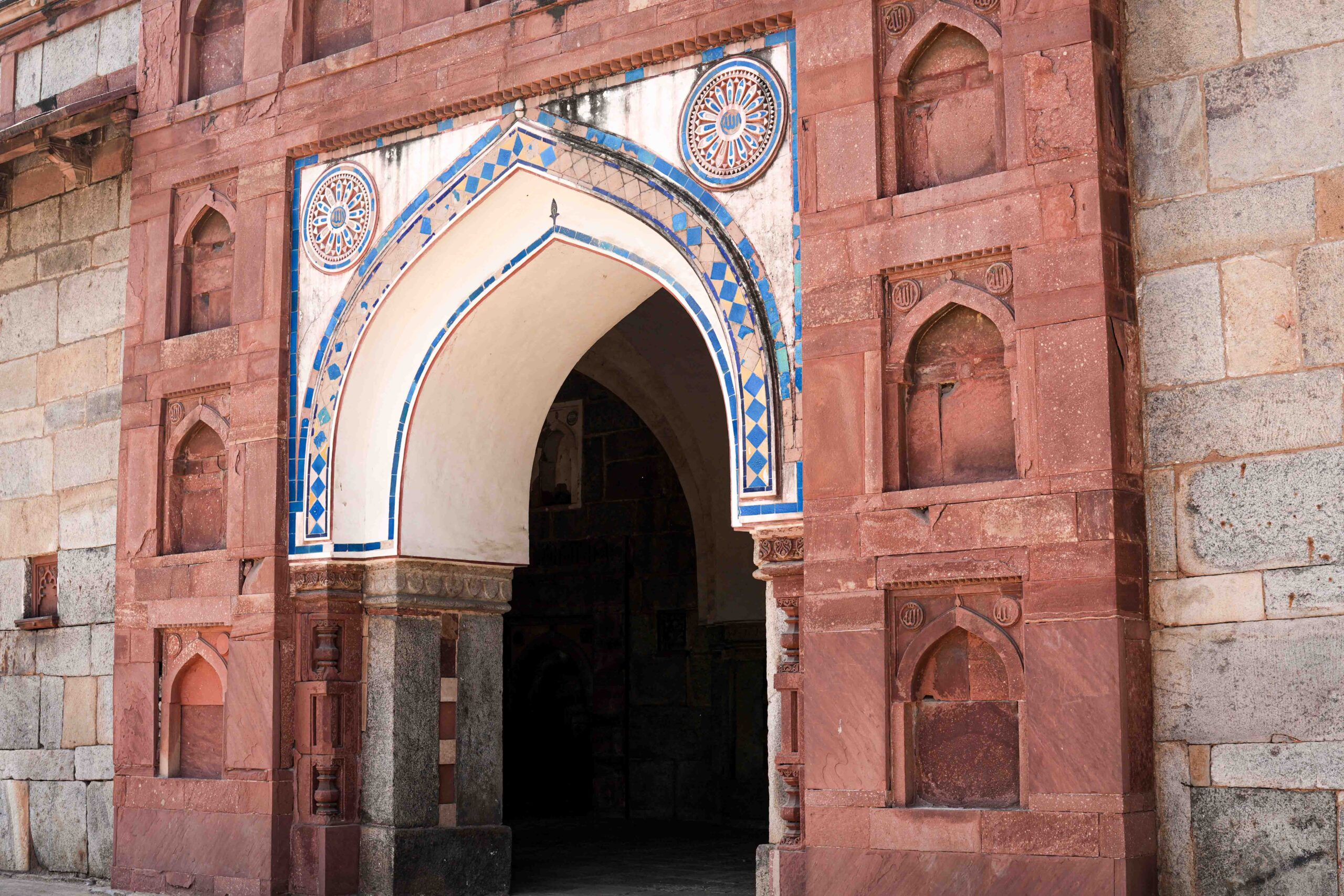
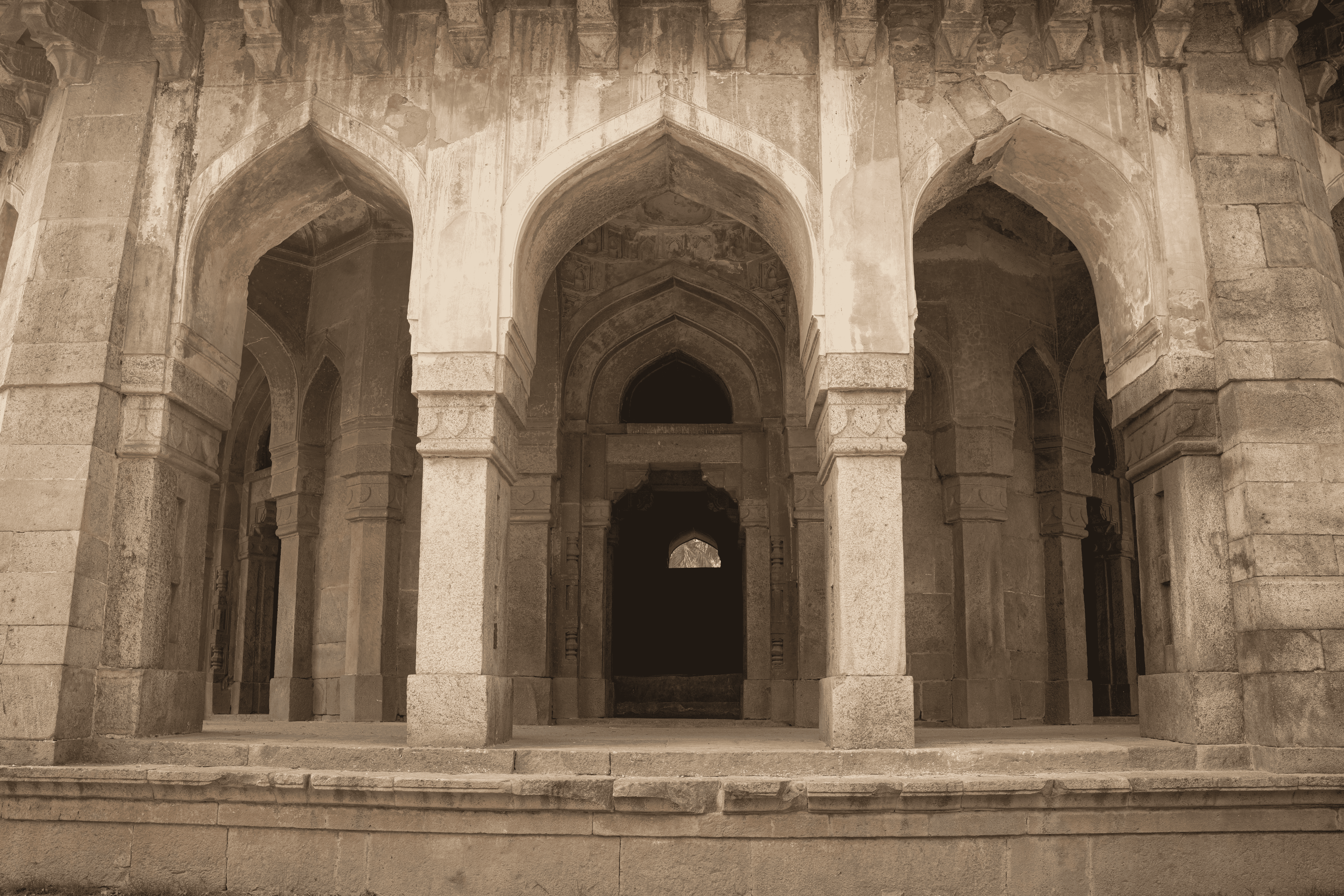
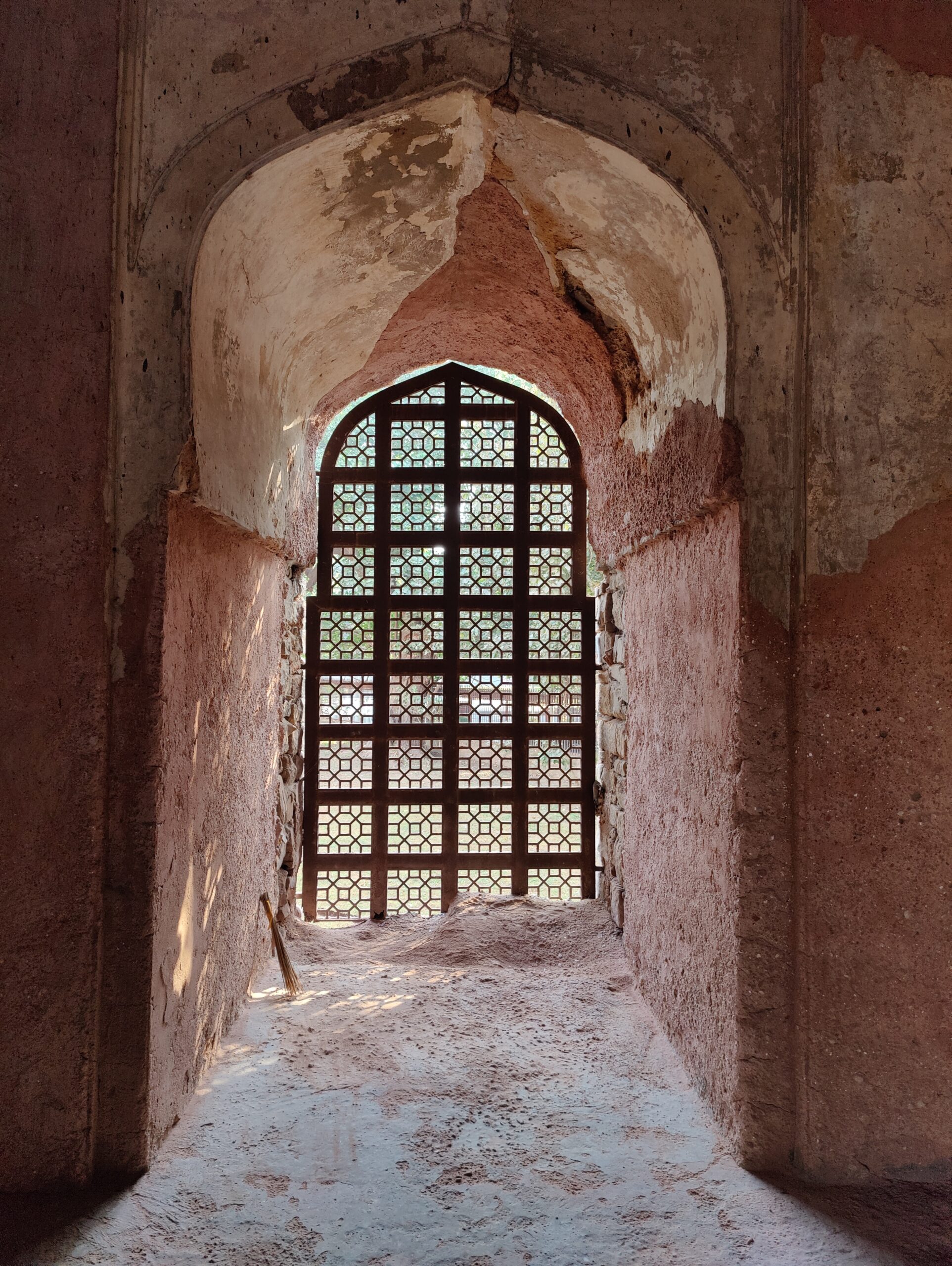
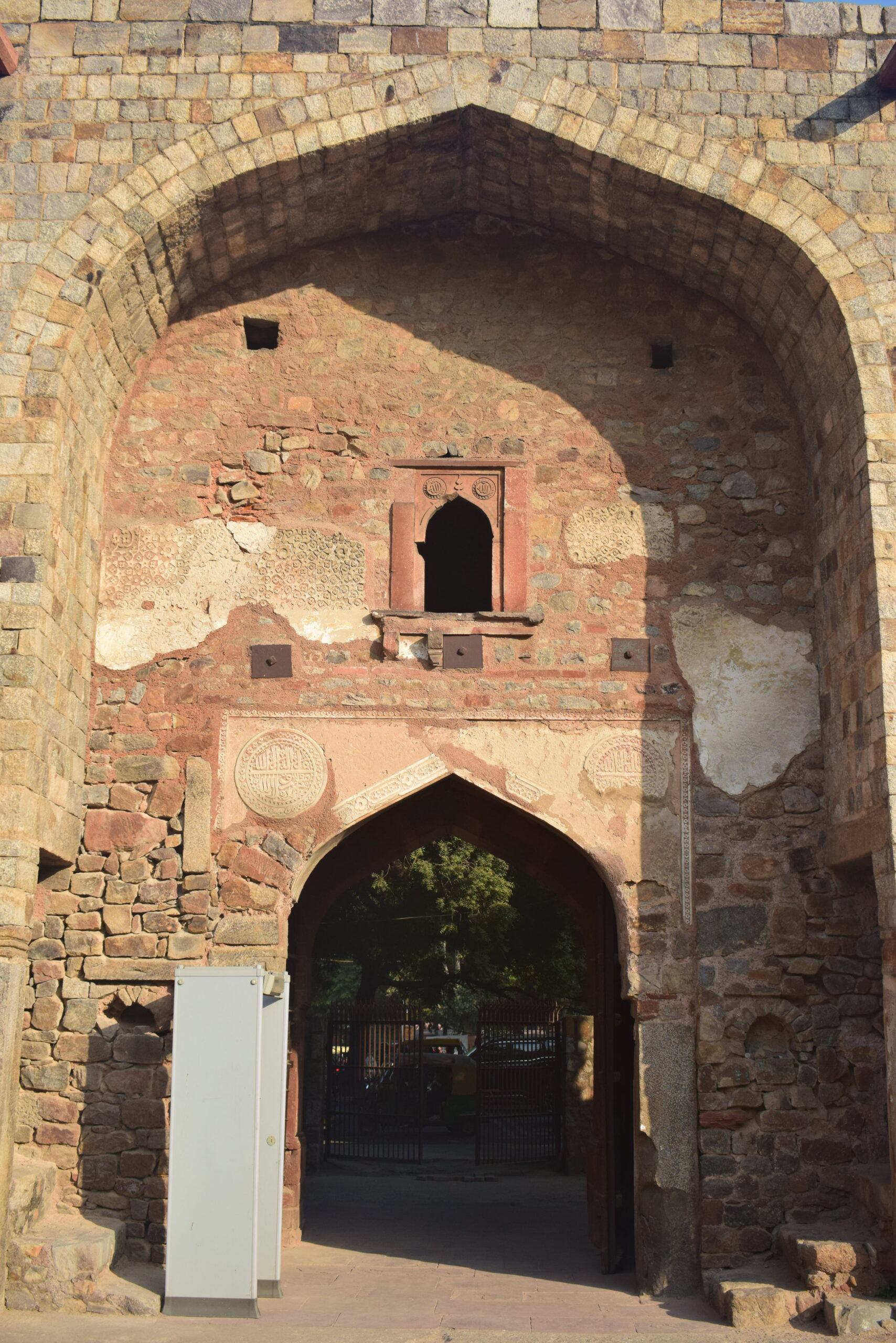
  2. Arched Doorways: The structure has pointed arches, a signature of Indo-Islamic architecture, yet their framing exhibits detailing reminiscent of earlier temple gateways.biran ka gumbad
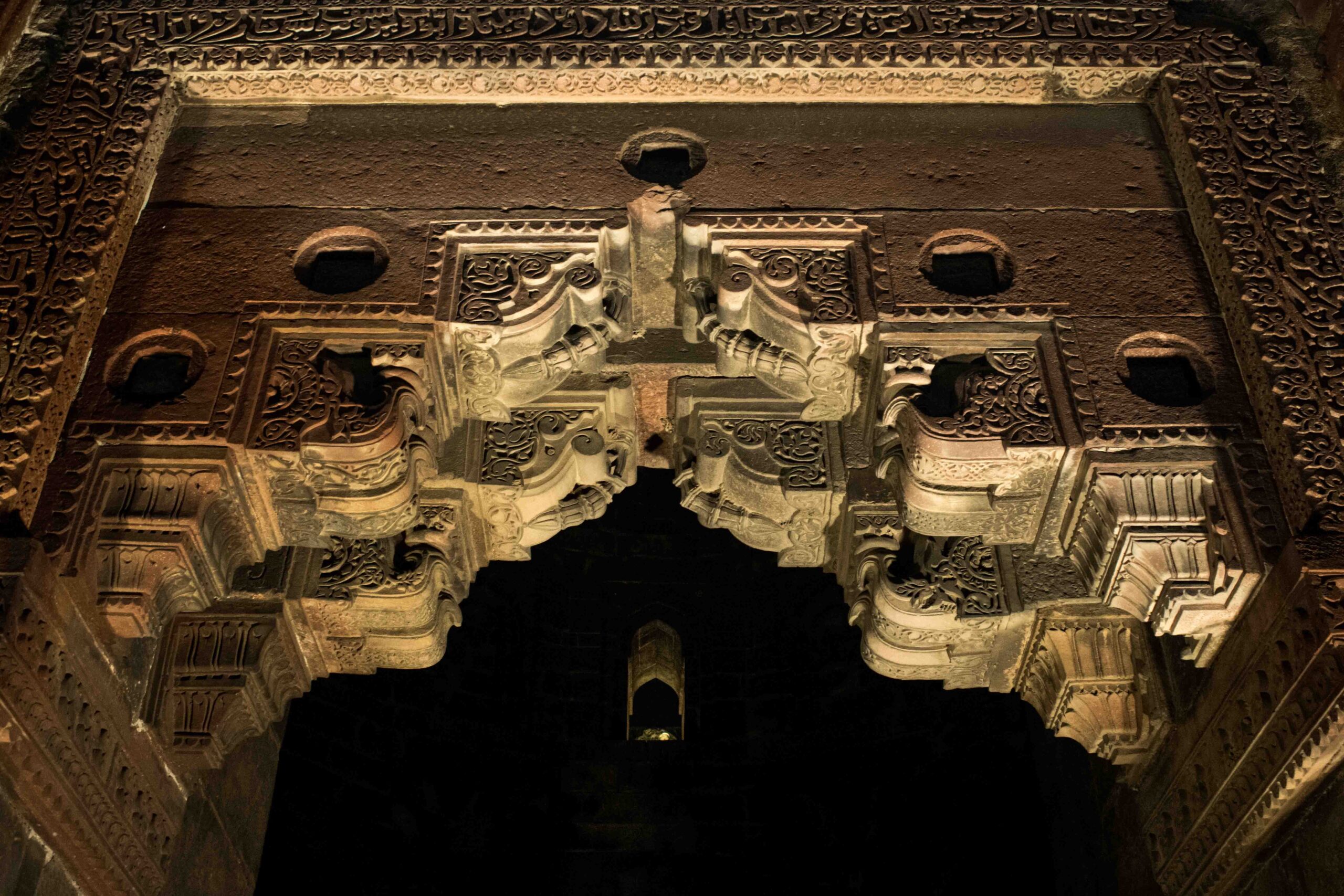
  3. Ornate Eaves (Chhajja): The overhanging eaves bear resemblance to temple mandapas, suggesting the involvement of Hindu artisans.
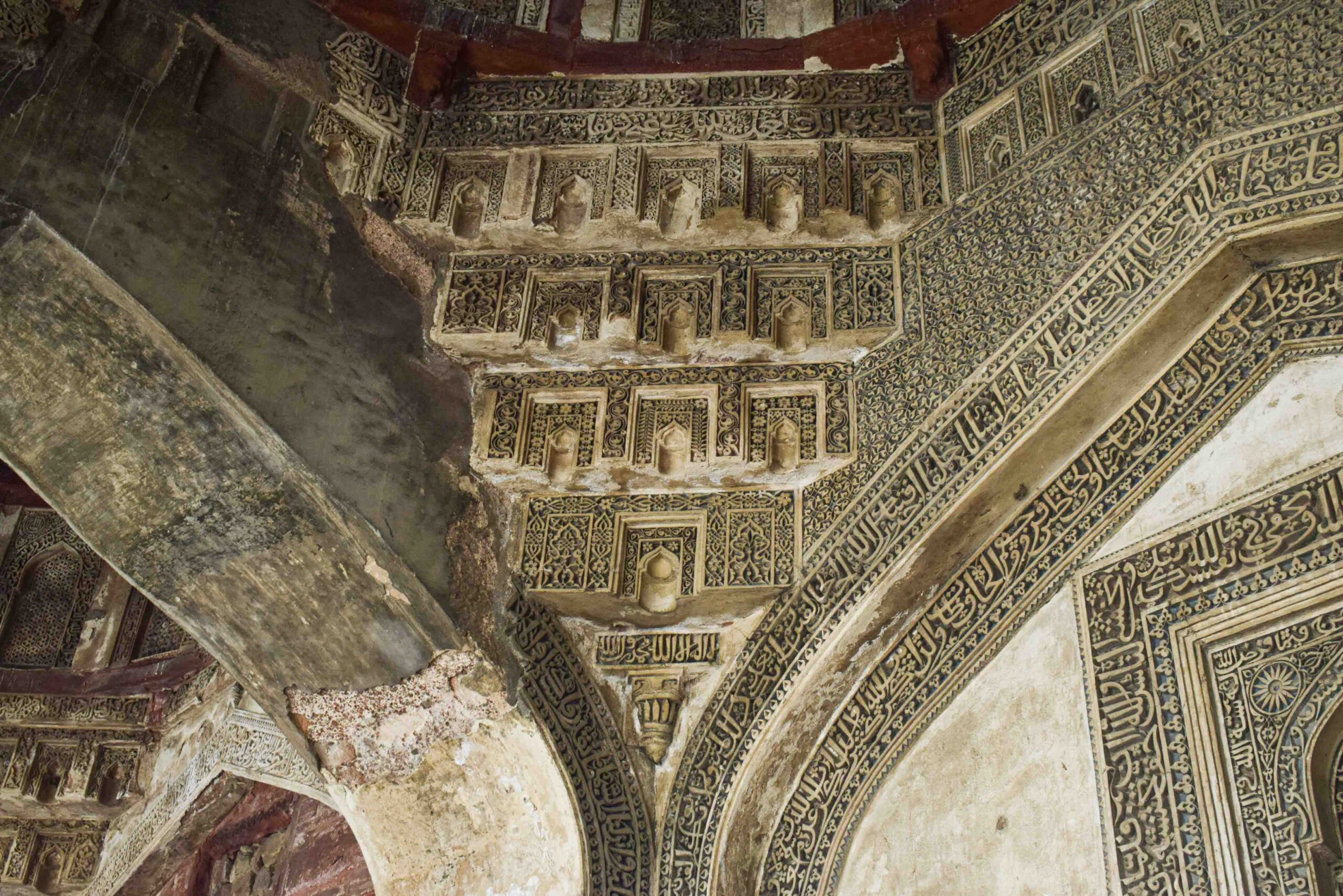
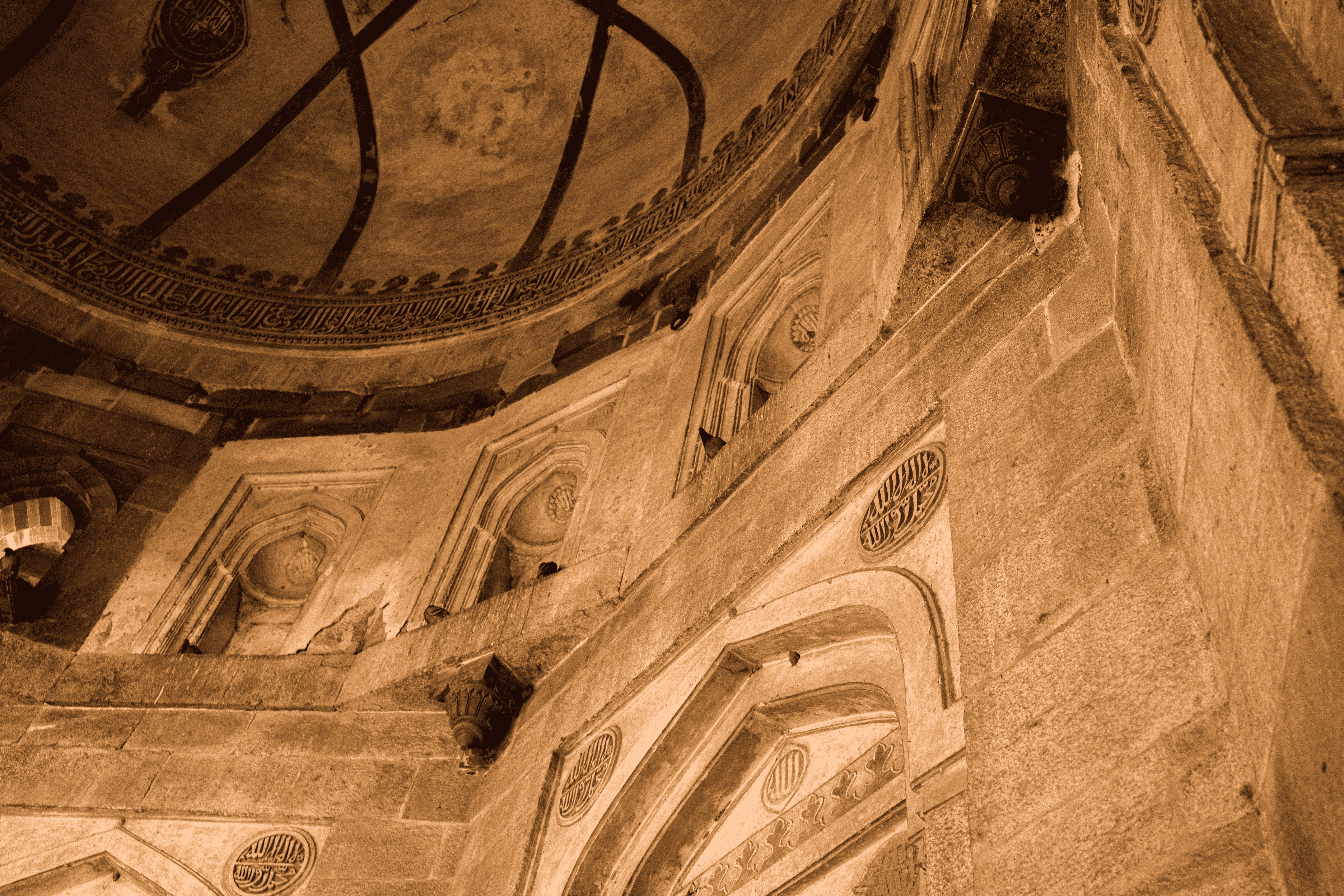
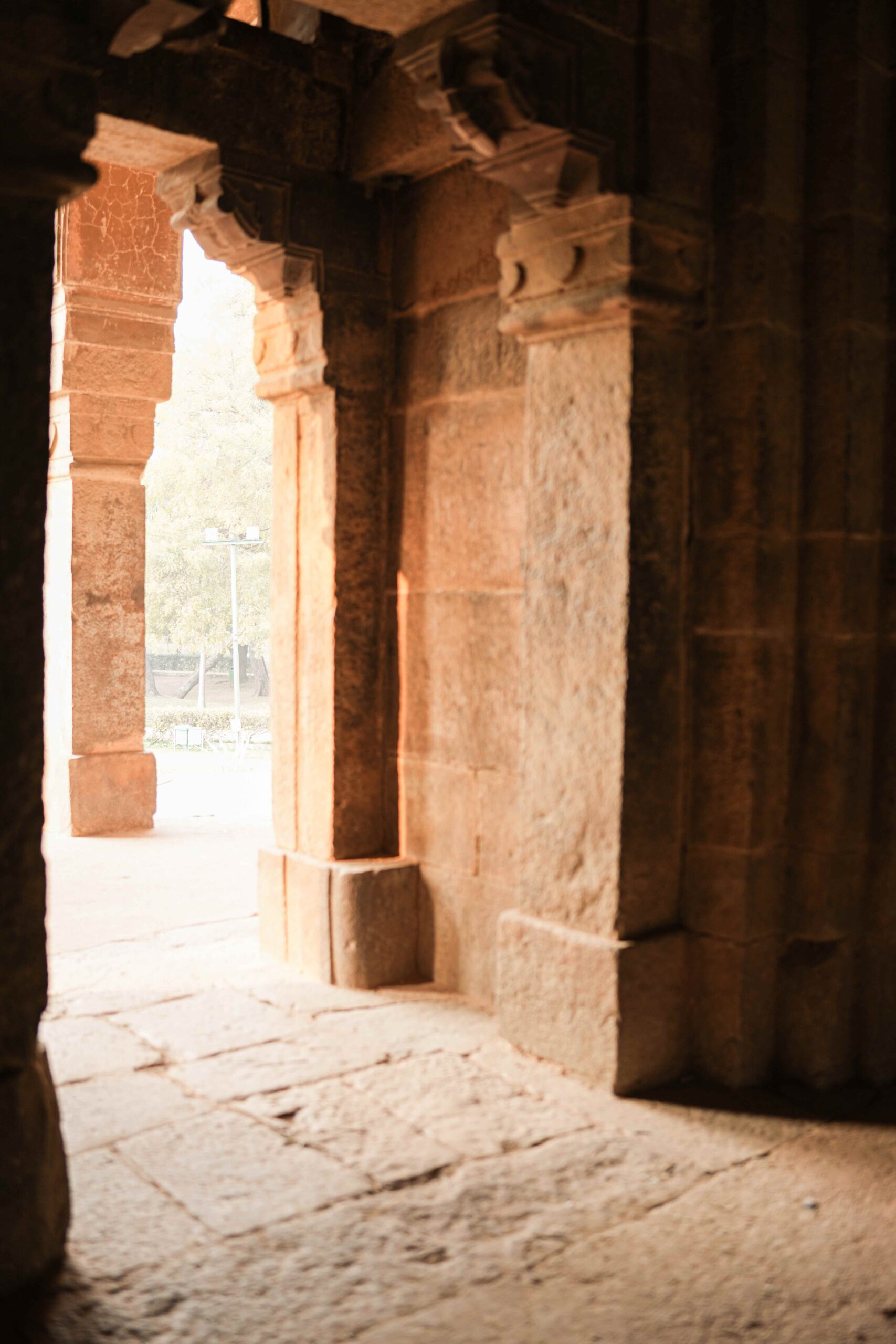
  4. Pillared Niches and Decorative Brackets: Some of the supporting elements inside the structure resemble carved brackets seen in Hindu temples, hinting at either inspiration or repurposed material.
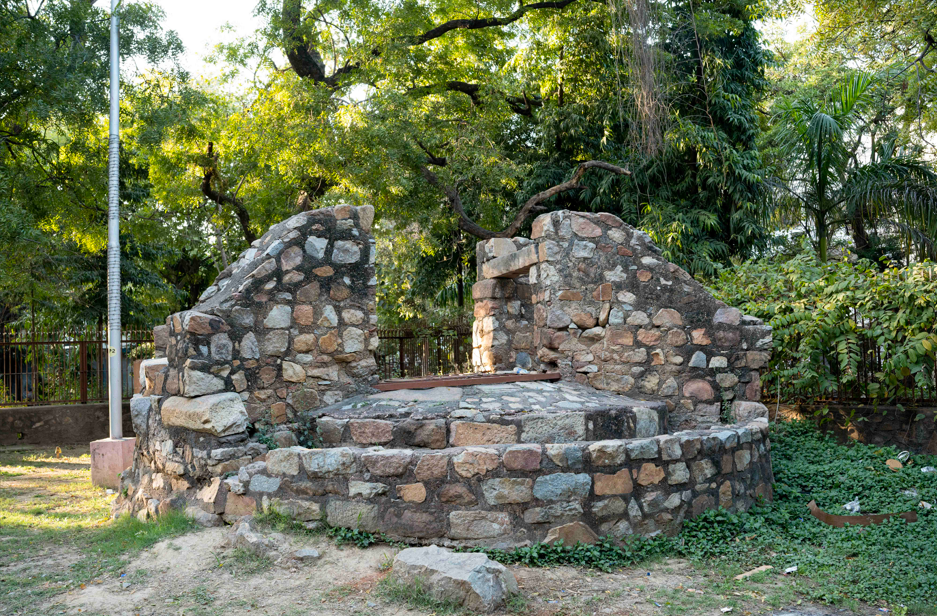
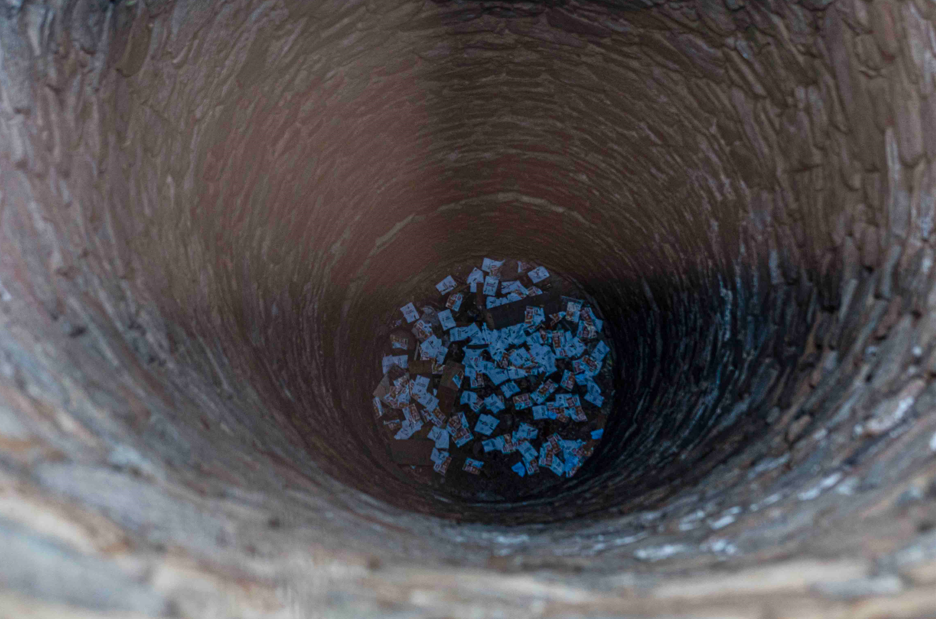
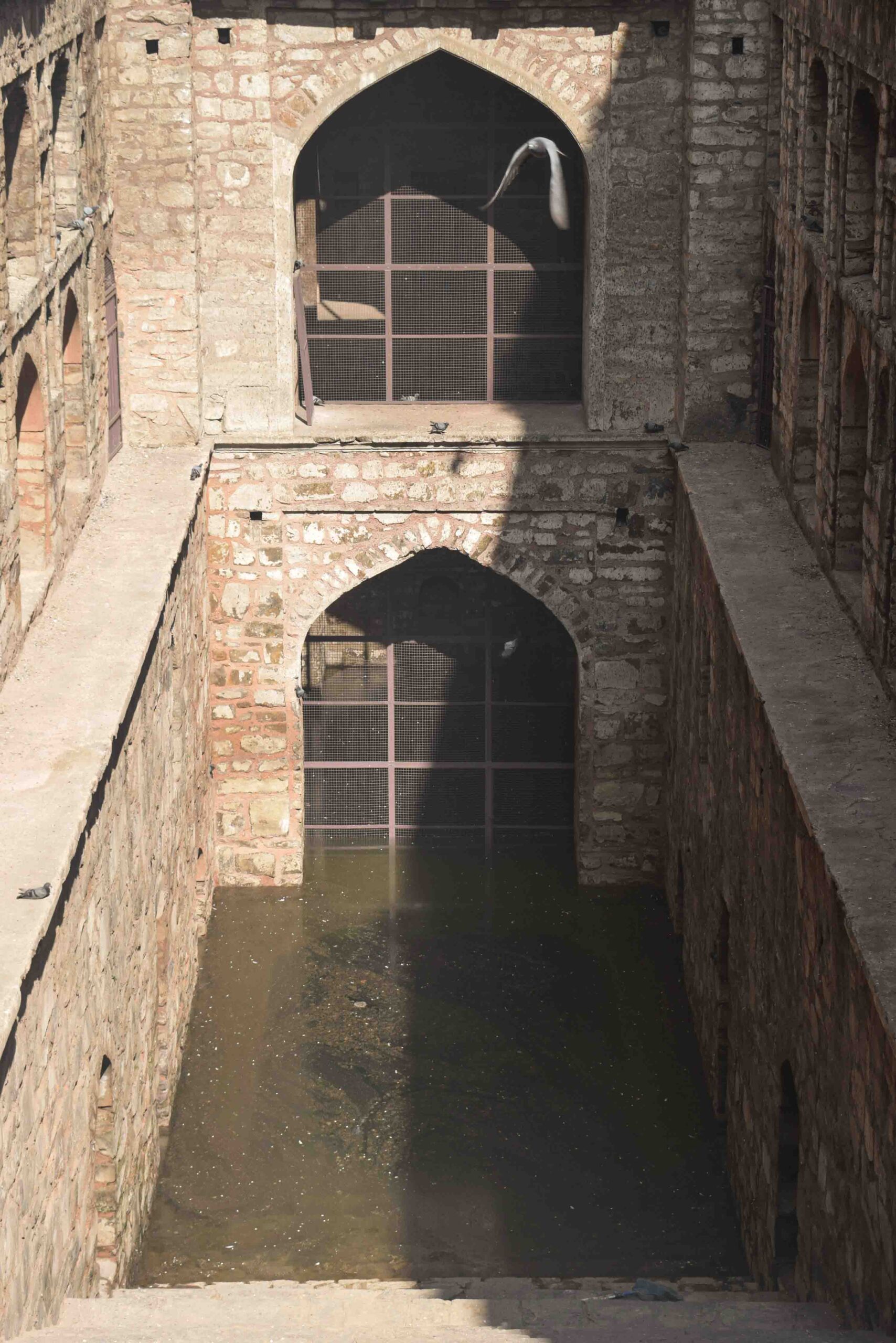
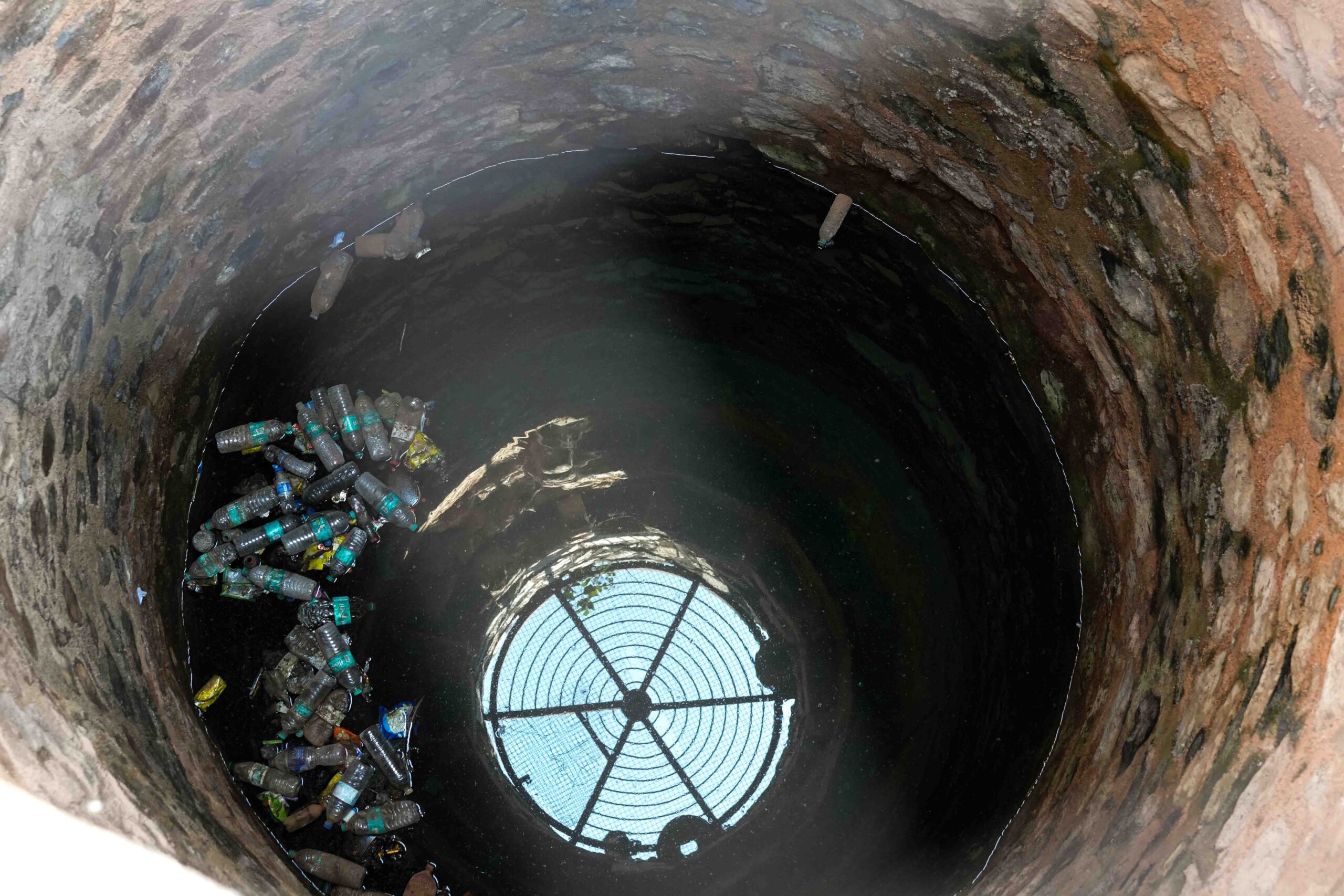
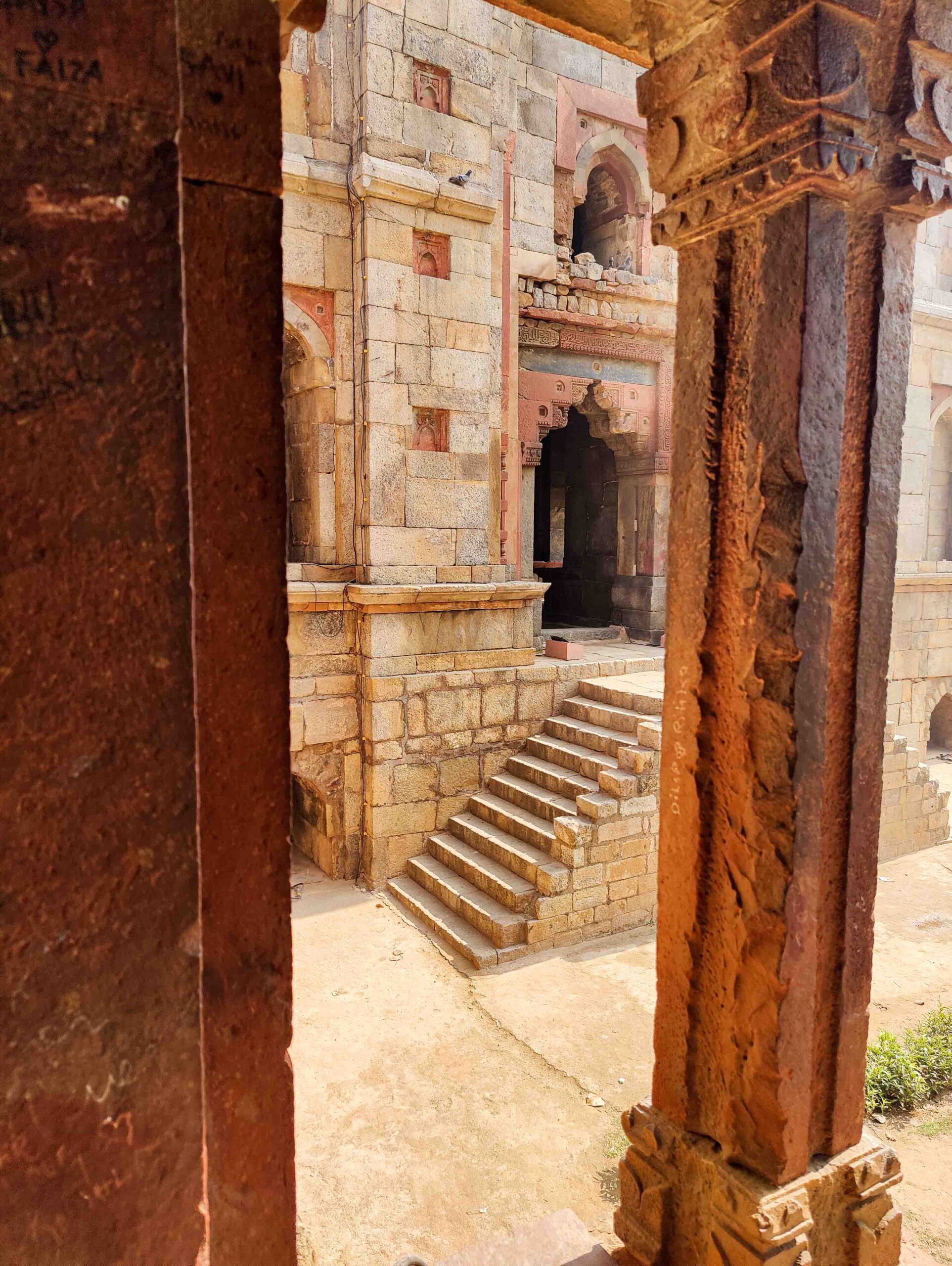
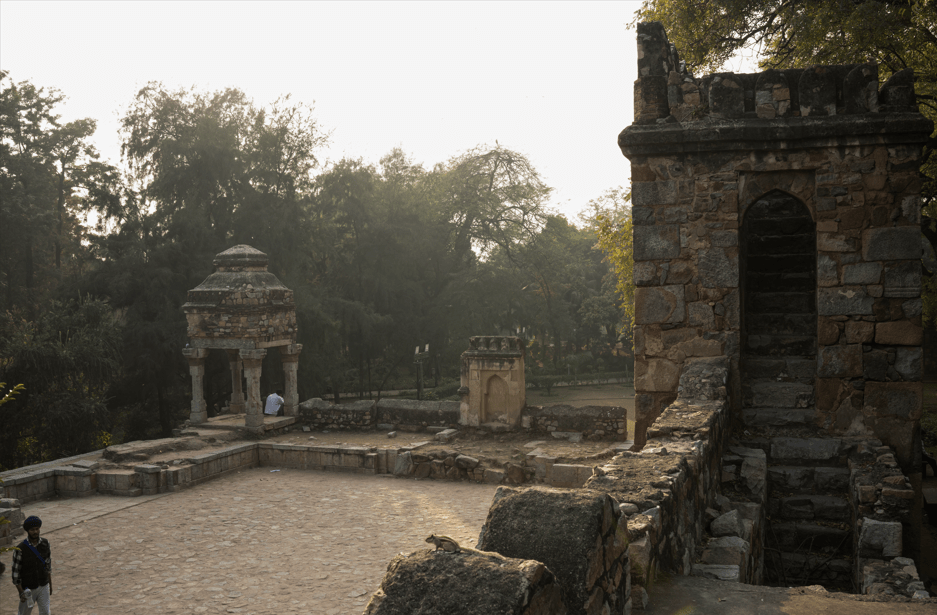
  5. Presence of a Well: A well located near the tomb adds to the mystery of the site. Wells were commonly found near Hindu temples for ritual purification, and its presence here raises the possibility that the site may have once served a religious function before being repurposed.biran ka gumbad
    biran ka gumbad

Hindu Temple Influences in Biran Ka Gumbad

Despite its Islamic association, several architectural features suggest a potential pre-Islamic or Hindu origin:

  1. Use of Spolia: Many Sultanate-era structures, including those in Mehrauli and Hauz Khas, incorporated materials from earlier Hindu and Jain temples. Certain stone blocks in Biran Ka Gumbad show signs of earlier carvings, now either erased or reworked.biran ka gumbad
  2. Floral and Lotus Motifs: The presence of lotus designs on the remaining fragments suggests Hindu artistic influence.
  3. Alignment and Sacred Geometry: Hindu temples were constructed based on Vastu Shastra, ensuring alignment with celestial and directional principles. The orientation of Biran Ka Gumbad does not perfectly align with later Islamic tombs, raising the possibility that it was adapted from a pre-existing site.biran ka gumbad

Possibility of a Pre-existing Hindu Site

Several factors fuel the speculation that Biran Ka Gumbad was built over or incorporated elements from an Ancient Hindu structure:

  • Historical Patterns: Many Lodhi-era structures were built using repurposed temple materials. The Quwwat-ul-Islam Mosque and other monuments demonstrate similar adaptations.
  • Structural Discrepancies: The use of specific stonework and brackets that were not traditionally part of early Sultanate tomb construction suggests remnants of an earlier sacred site.
  • Lack of Inscriptional Evidence: Unlike prominent Islamic tombs, Biran Ka Gumbad lacks significant inscriptions or clear historical records, leaving its origins open to debate.biran ka gumbad

Conclusion

Biran Ka Gumbad stands as an architectural enigma, reflecting Delhi’s complex history of cultural transitions. While officially recognized as a Lodhi-era tomb, the presence of Hindu temple motifs, reused materials, and structural inconsistencies hints at a deeper past—perhaps one rooted in religious traditions prior to the Islamic invasions. The presence of a well near the tomb further strengthens this theory, as it was a crucial feature in Hindu temple complexes. More research and archaeological exploration could unveil the monument’s true origins, adding yet another layer to Delhi’s rich and diverse heritage.

biran ka gumbad

Balban Khan Tomb

Balban’s Tomb: A Forgotten Relic of Delhi’s Sultanate Era

Deep within the ruins of Mehrauli Archaeological Park, surrounded by the remnants of an era long past, lies the Tomb of Ghiyas-ud-din Balban. A significant yet often overlooked historical monument, this 13th-century tomb stands as a testament to the architectural advancements of the Delhi Sultanate. Balban, a ruler of the Mamluk Dynasty (Slave Dynasty), reigned from 1266 to 1287 CE, bringing with him a strict, centralized rule and significant military expansions.

While the tomb is widely acknowledged as an Islamic funerary structure, closer examination of its architectural elements suggests intriguing possibilities. Certain features of Balban’s Tomb bear striking resemblances to Hindu temple architecture, leading some historians and researchers to speculate whether it was built over a pre-existing Hindu site or incorporated Hindu architectural elements in its construction.

Architectural Significance of Balban’s Tomb

Balban’s Tomb is historically significant for its early use of true arches and domes, marking a crucial transition in Indo-Islamic architecture. Before this period, Indian builders relied on the corbelled arch technique, commonly seen in Hindu and Jain temple construction. The introduction of the true arch in Balban’s Tomb paved the way for later developments in Mughal architecture.

Key Architectural Features:

  1. First Known True Arch in India: Balban’s Tomb is credited with introducing the first true arch in India, a structural innovation that departed from the traditional Hindu temple techniques.
  2. Absence of a Dome: The tomb is believed to have once had a dome, but it has long since collapsed. This architectural element, if present, would have aligned it with later Sultanate and Mughal-era domed tombs.
  3. Thick Stone Walls: Unlike later Mughal structures that used finely finished marble and red sandstone, Balban’s Tomb features thick rubble masonry, an approach often used in pre-Islamic Indian structures.
  4. Arched Entranceways and Rectangular Layout: The tomb complex consists of large arched gateways leading into an open courtyard, resembling certain features of earlier Hindu temple mandapas (pillared halls) repurposed into Islamic structures.

Hindu Architectural Influences in Balban’s Tomb

Although Balban’s Tomb represents a significant shift toward Islamic architectural styles, several elements hint at possible Hindu temple influences or the repurposing of existing structures:

  1. Corbelled Brackets and Pillars: Some of the surviving stone brackets bear resemblance to those found in Hindu temples, where they were used to support roofs and ceilings.
  2. Decorative Motifs: While largely eroded, certain patterns on the tomb’s remaining walls show floral designs and geometric carvings that are strikingly similar to Hindu and Jain temple reliefs.
  3. Use of Spolia (Reused Temple Material): During the early Delhi Sultanate period, it was common practice to reuse materials from destroyed Hindu and Jain temples for new Islamic constructions. Some of the stones in Balban’s Tomb appear to have been repurposed, with faint remnants of Hindu iconography visible in select areas.
  4. Courtyard Resembling a Temple Complex: The open courtyard surrounding the tomb has been compared to Hindu temple courtyards, where devotees would gather for prayers and rituals. The structural layout of Balban’s Tomb, while aligned with later Islamic tombs, bears similarities to pillared halls found in Hindu architecture.

Possibility of a Pre-existing Hindu Site

Several historical and architectural observations raise the possibility that Balban’s Tomb was constructed over an earlier Hindu temple or sacred site:

  • Delhi’s History of Temple Destruction and Adaptation: The early Delhi Sultanate rulers often repurposed Hindu and Jain temples for Islamic structures, either by modifying them or reusing their materials. Other structures in Mehrauli, such as the Quwwat-ul-Islam Mosque, provide direct evidence of this practice.
  • Unusual Architectural Discrepancies: Certain elements of the tomb, particularly the stonework and placement of surviving fragments, do not conform entirely to Islamic architectural norms, indicating a transition or adaptation from an earlier structure.
  • Location and Symbolism: Many Hindu temples were built on sites considered sacred due to their geographical or astrological importance. If Balban’s Tomb was indeed built over a temple, the choice of location may not have been arbitrary.

Conclusion

Balban’s Tomb is a remarkable historical structure, significant for its architectural innovations and role in the evolution of Indo-Islamic design. While widely recognized as an Islamic funerary site, its architectural features and historical context suggest the possibility of a pre-existing Hindu site, either through reuse of temple materials or construction over an earlier sacred space. Further archaeological and historical research could provide more conclusive evidence, potentially uncovering another lost chapter in Delhi’s rich and layered past.

Agrasen Ki Baoli

Agrasen Ki Baoli: An Ancient Reservoir with a Mysterious Past

Tucked away amidst the modern skyline of New Delhi, Agrasen Ki Baoli is a stunning yet enigmatic stepwell that echoes the architectural grandeur of a bygone era. This ancient structure, located on Hailey Road near Connaught Place, is a historical marvel that has sparked numerous speculations about its origins. While officially attributed to Maharaja Agrasen, a legendary king from the Mahabharata era, the present structure is believed to have been rebuilt during the 14th or 15th century by the Agrawal community. However, certain architectural elements hint at an even older, possibly Hindu temple influence, raising the question: Could Agrasen Ki Baoli have been a sacred Hindu site before evolving into a functional stepwell?

Architectural Brilliance of Agrasen Ki Baoli

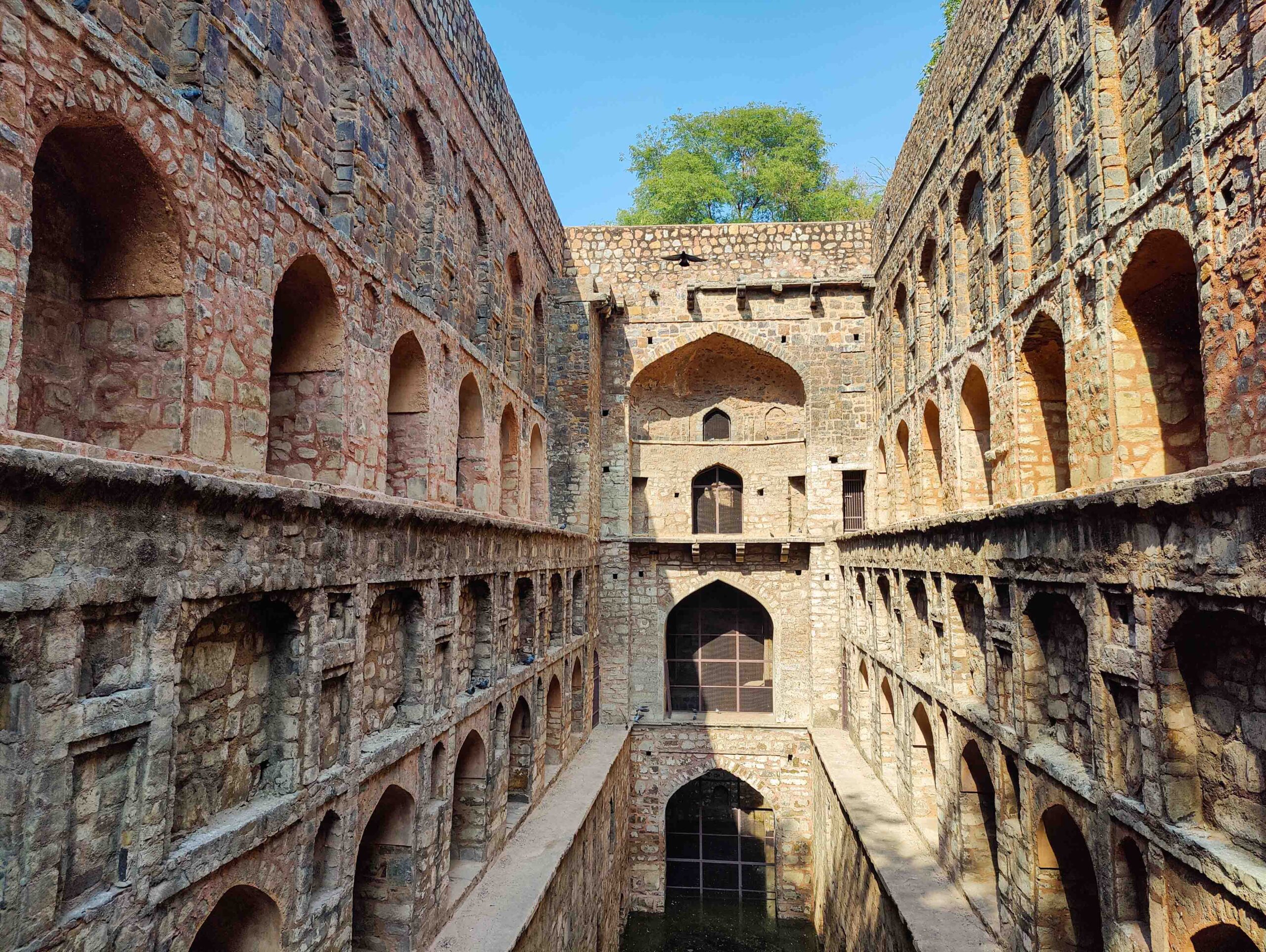
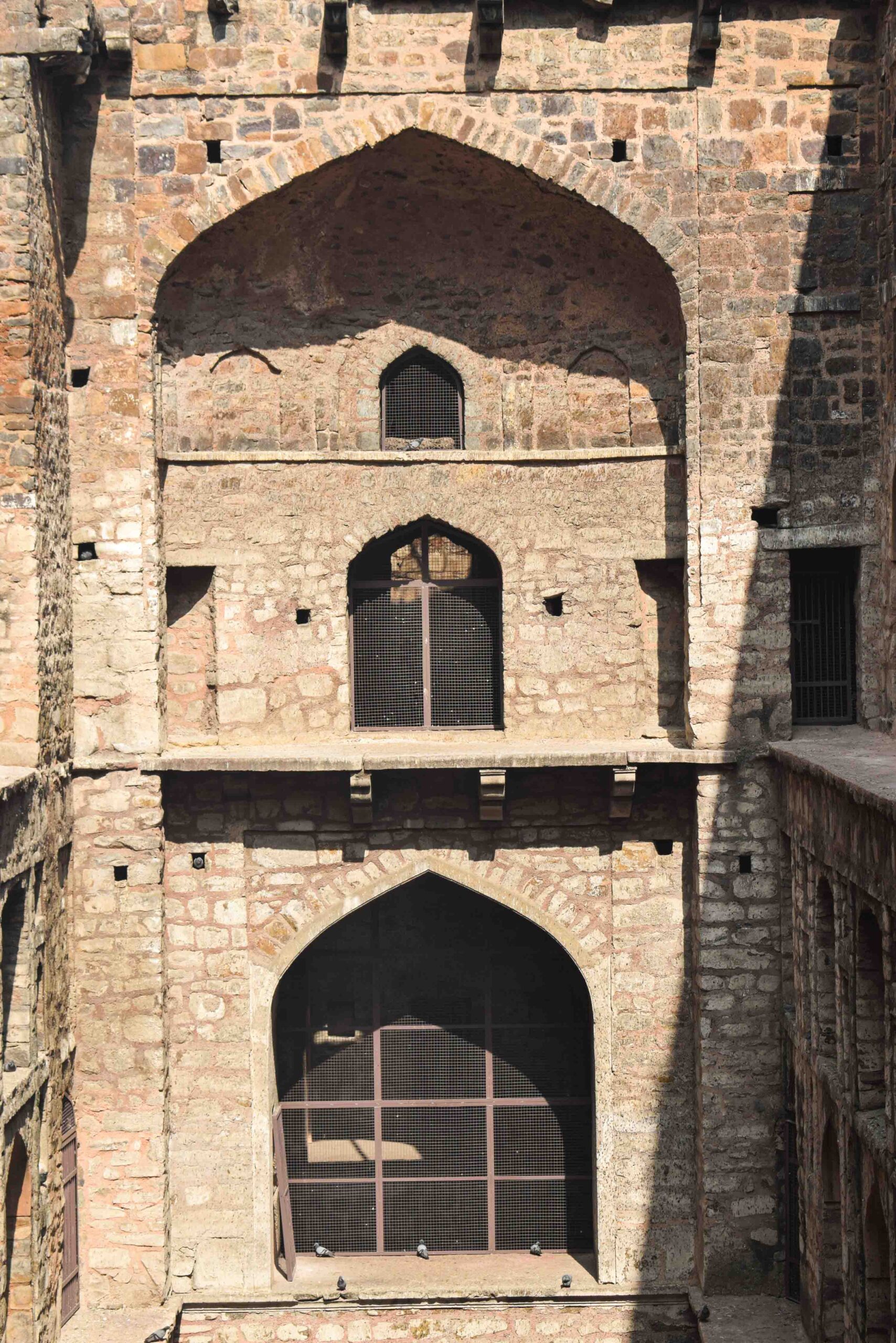
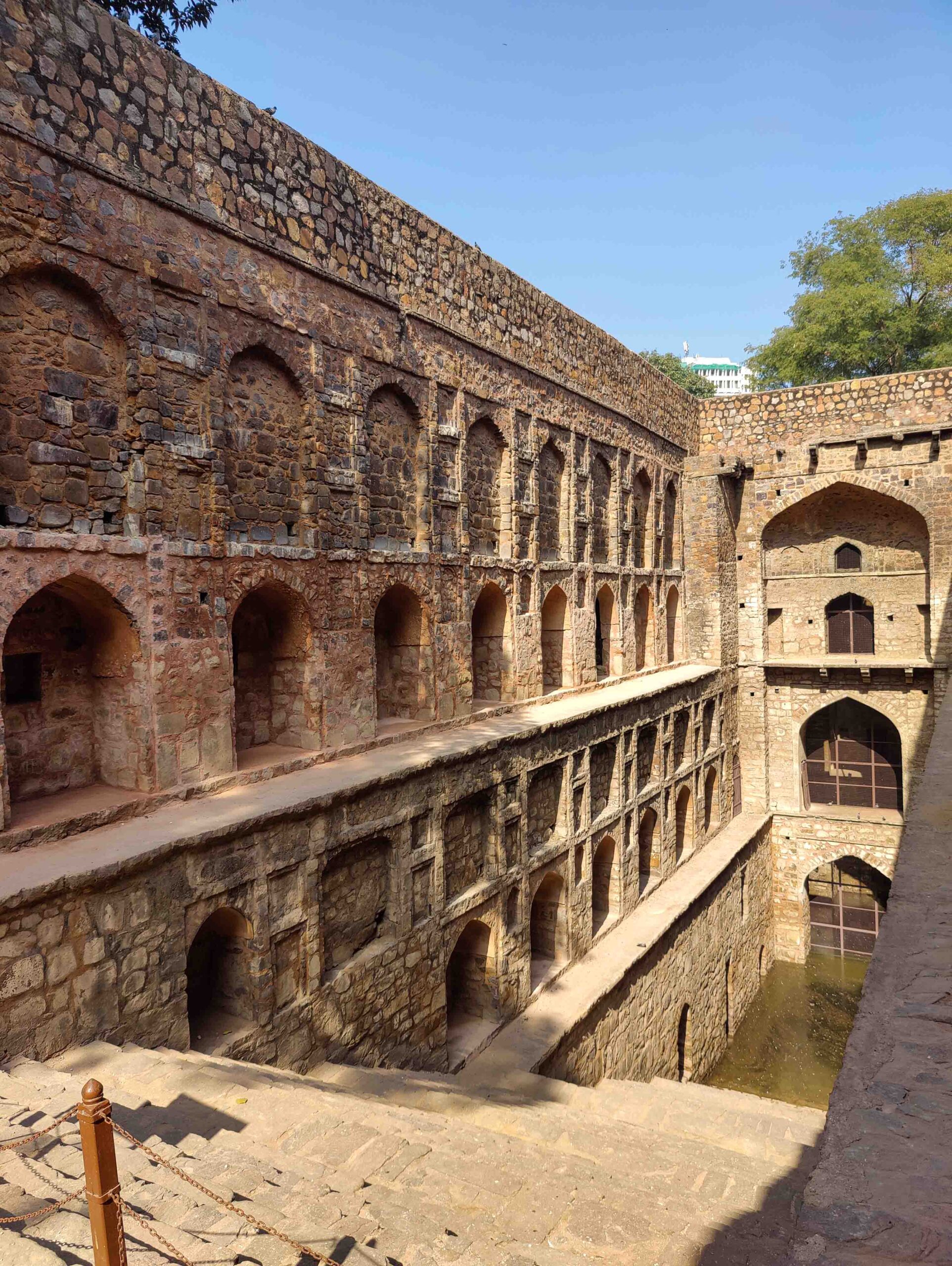
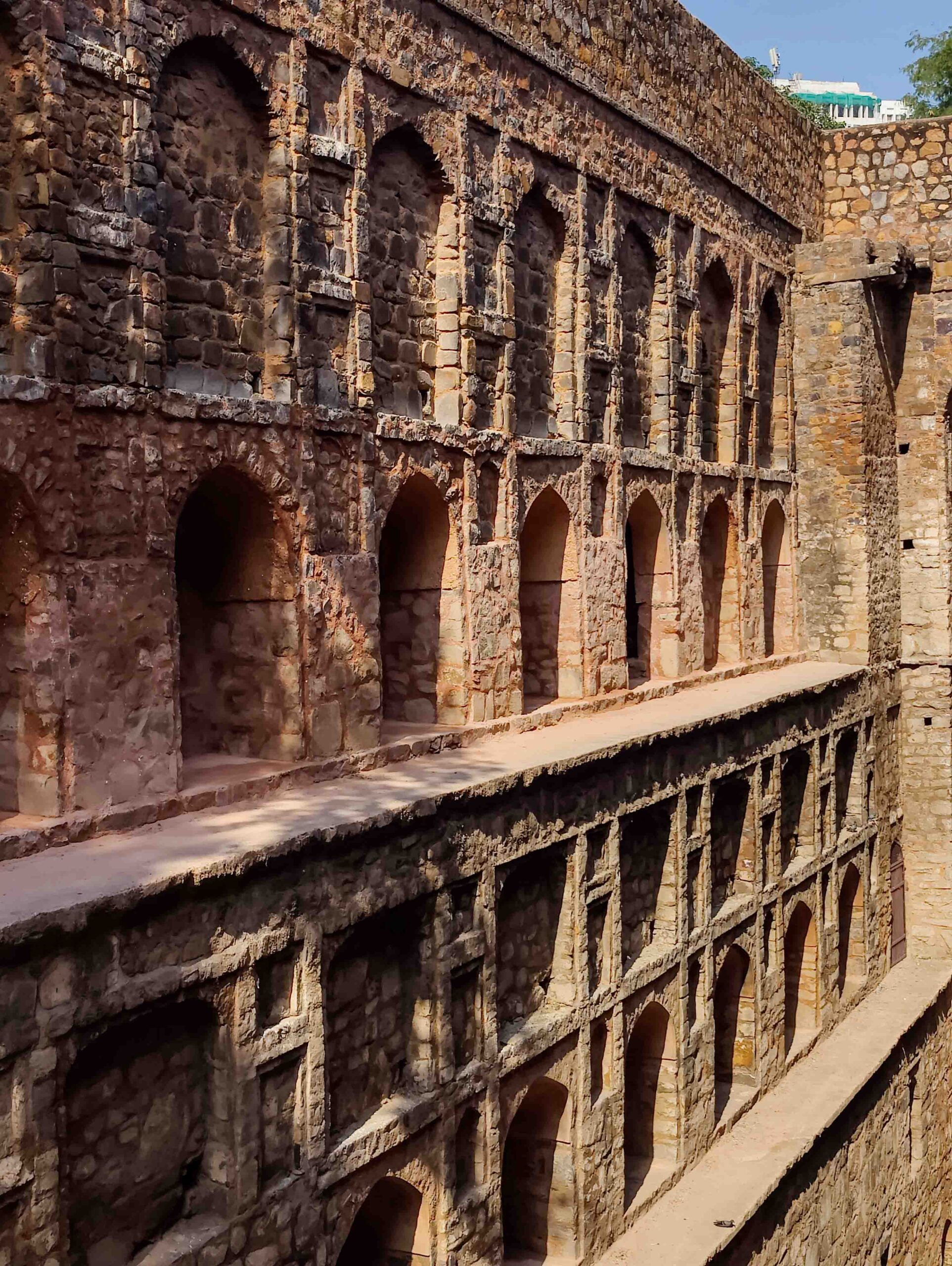
Agrasen Ki Baoli is an architectural gem, featuring 103 stone steps that lead down to the now-dried reservoir. The rectangular structure measures approximately 60 meters in length and 15 meters in width, exhibiting a sophisticated multi-tiered design with arched niches and chambers on either side. The structure is composed of three levels of arched corridors, providing an eerie yet captivating visual experience as one descends towards its depths.

Key Architectural Features:

  1. Stepped Reservoir: The main feature of the baoli is its series of descending steps, allowing access to the water source regardless of seasonal changes in water levels.
  2. Ornate Pillars and Niches: The walls of the baoli are adorned with intricately carved niches and alcoves, some of which bear resemblance to Hindu temple mandapas (pillared halls) commonly found in ancient temples.
  3. Floral and Geometric Motifs: The carvings on the baoli’s walls showcase lotus patterns and floral engravings, both significant symbols in Hinduism.
  4. Arched Chambers: While the pointed arches on the walls are reminiscent of Indo-Islamic influences from the later periods, the presence of certain semi-circular arch designs aligns more closely with Hindu and Jain architectural traditions.
  5. Presence of a Shrine: Some historical accounts and local lore suggest that a small shrine or temple once existed within the baoli premises, potentially indicating its earlier use as a religious site before being converted into a utilitarian structure.

Hindu Temple Influences in Agrasen Ki Baoli

Despite being labeled a medieval stepwell, certain elements suggest the baoli may have had religious significance in the pre-Islamic era:

  1. Symmetry and Vastu Alignment: Traditional Hindu water structures, like temple tanks and stepwells, were built in strict accordance with Vastu Shastra, ensuring harmony with the natural elements. Agrasen Ki Baoli’s geometric precision and alignment with cardinal directions strongly indicate adherence to these ancient architectural principles.
  2. Sculptural Relics: While many of the original carvings have been eroded over time, faint traces of Hindu deities or auspicious symbols have been reported in historical studies.
  3. Connection to Sacred Water Bodies: Water has always played a crucial role in Hindu religious practices, and stepwells were often attached to temples or pilgrimage sites to facilitate ritualistic bathing and water conservation. Agrasen Ki Baoli’s grand scale and careful construction suggest it may have served a similar purpose before being repurposed.
  4. Legends of King Agrasen: The baoli’s association with Maharaja Agrasen, a ruler linked to Sanatan Dharma and Vedic traditions, strengthens the theory that this site originally had religious significance.

Possible origins of the Ancient Site

Several factors contribute to the hypothesis that Agrasen Ki Baoli may have been a sacred Hindu site before being repurposed:

  • Cultural Transition Over Centuries: Delhi has witnessed multiple dynastic transitions, from Hindu rulers to Turkic and Mughal invaders. Many Hindu structures were modified, repurposed, or overlaid with newer architectural elements.
  • Islamic conversions of Hindu Stepwells: Several stepwells across North India, originally built by Hindu kings, were later used or renovated by invaded rulers. The addition of Islamic-style arches at Agrasen Ki Baoli suggests later modifications rather than an original feature.
  • Absence of Inscriptions: Unlike most Mughal-era constructions, which prominently feature Persian calligraphy, Agrasen Ki Baoli lacks any clear inscriptions attributing it to a specific ancient ruler, reinforcing the possibility that its origins predate Islamic rule in Delhi.

Conclusion

The key factor of this article is to understand the origins of the Ancient monument and to understand if any possible conversions of the site is discovered. 
Agrasen Ki Baoli stands as an architectural enigma, seamlessly blending elements of Hindu, Jain, and later Islamic styles. While its functional role as a stepwell is undisputed, the presence of Hindu architectural motifs, its alignment with Vastu principles, and the legends surrounding its origins all fuel speculation that it was once a sacred Hindu site. Whether it was a temple tank, a spiritual retreat, or simply a grand water reservoir, its past remains shrouded in mystery. More archaeological and historical research may yet unveil the deeper secrets of this Ancient Baoli.

Isa Khan’s Tomb (Humayun Complex)

Isa Khan’s Tomb: A Forgotten Relic of the Past

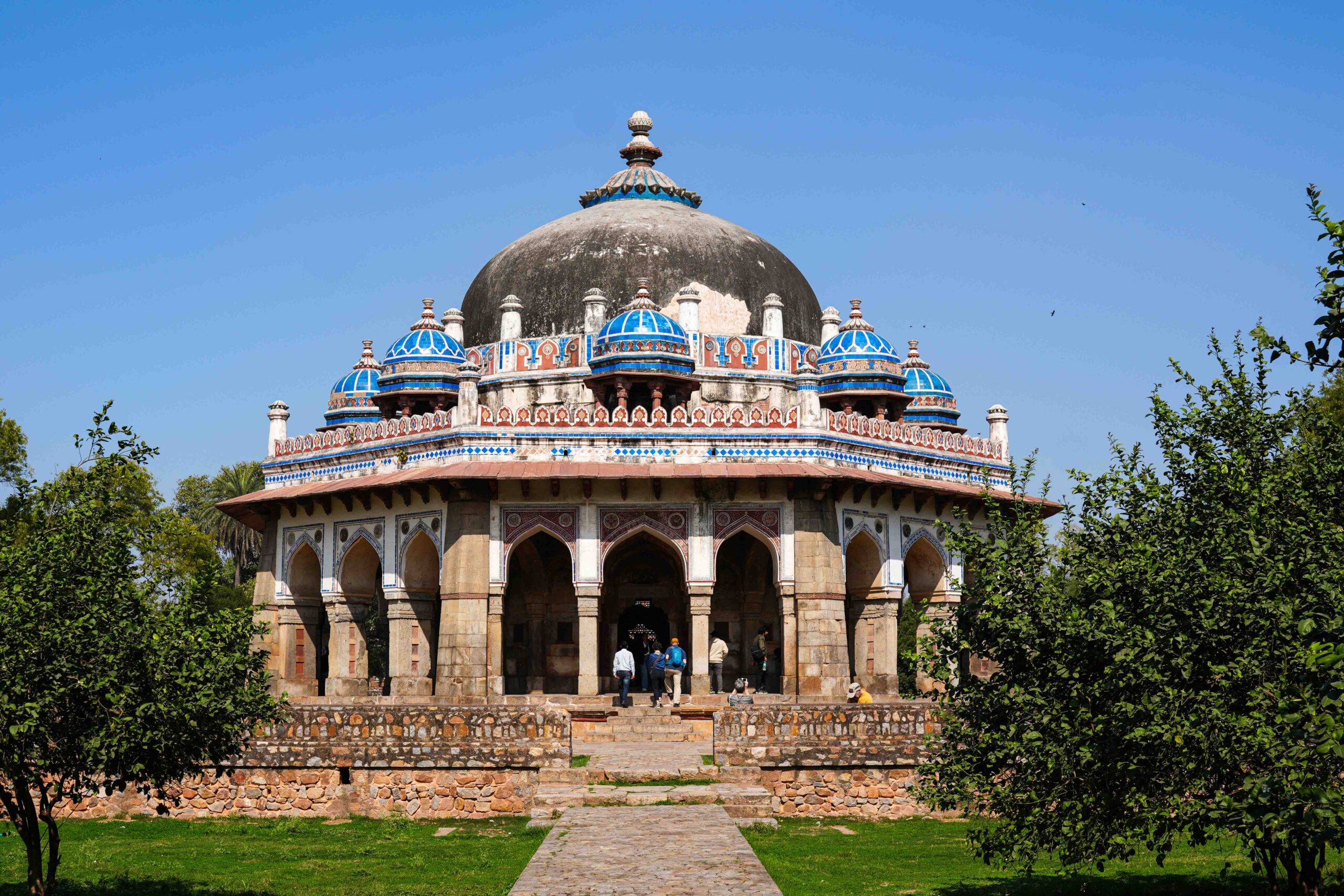
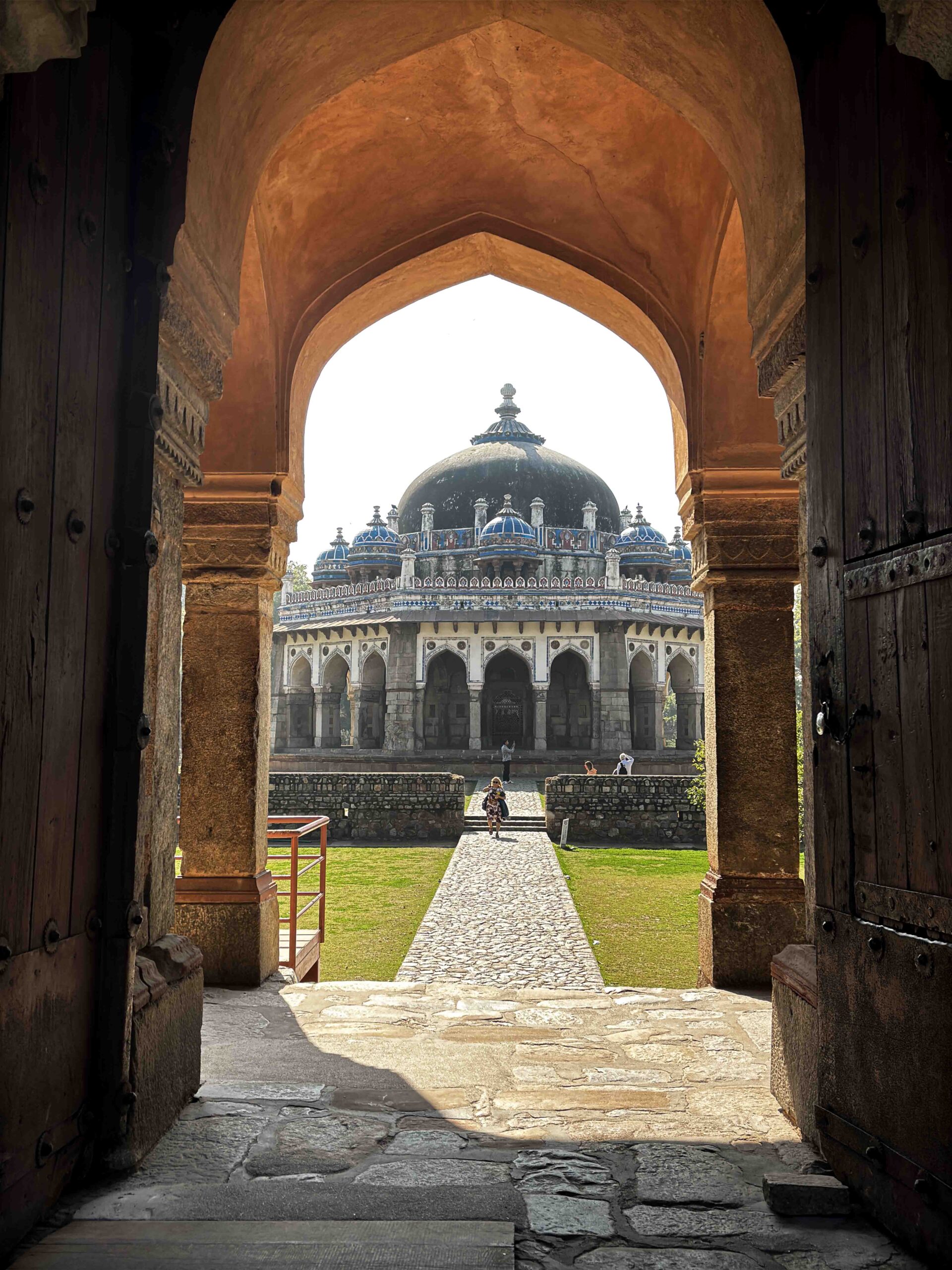
Nestled within the grand Humayun’s Tomb complex in Delhi, Isa Khan’s Tomb stands as an overlooked yet historically significant monument. Believed to date back to the late 16th century, during the Mughal era. While widely recognized as an Islamic funerary structure, its architectural elements hint at an intriguing past, suggesting that it may have been built over or incorporated elements from a pre-existing Hindu site.

Architectural Features of Afsarwala Tomb

The Isa Khan’s Tomb follows the typical Mughal architectural style, characterized by a domed structure, intricate stucco work, and finely-carved sandstone elements. The tomb is accompanied by a mosque, enhancing the spiritual significance of the site. Despite its Mughal identity, closer examination of its design and ornamentation reveals unexpected Hindu temple influences.

Key Architectural Elements:

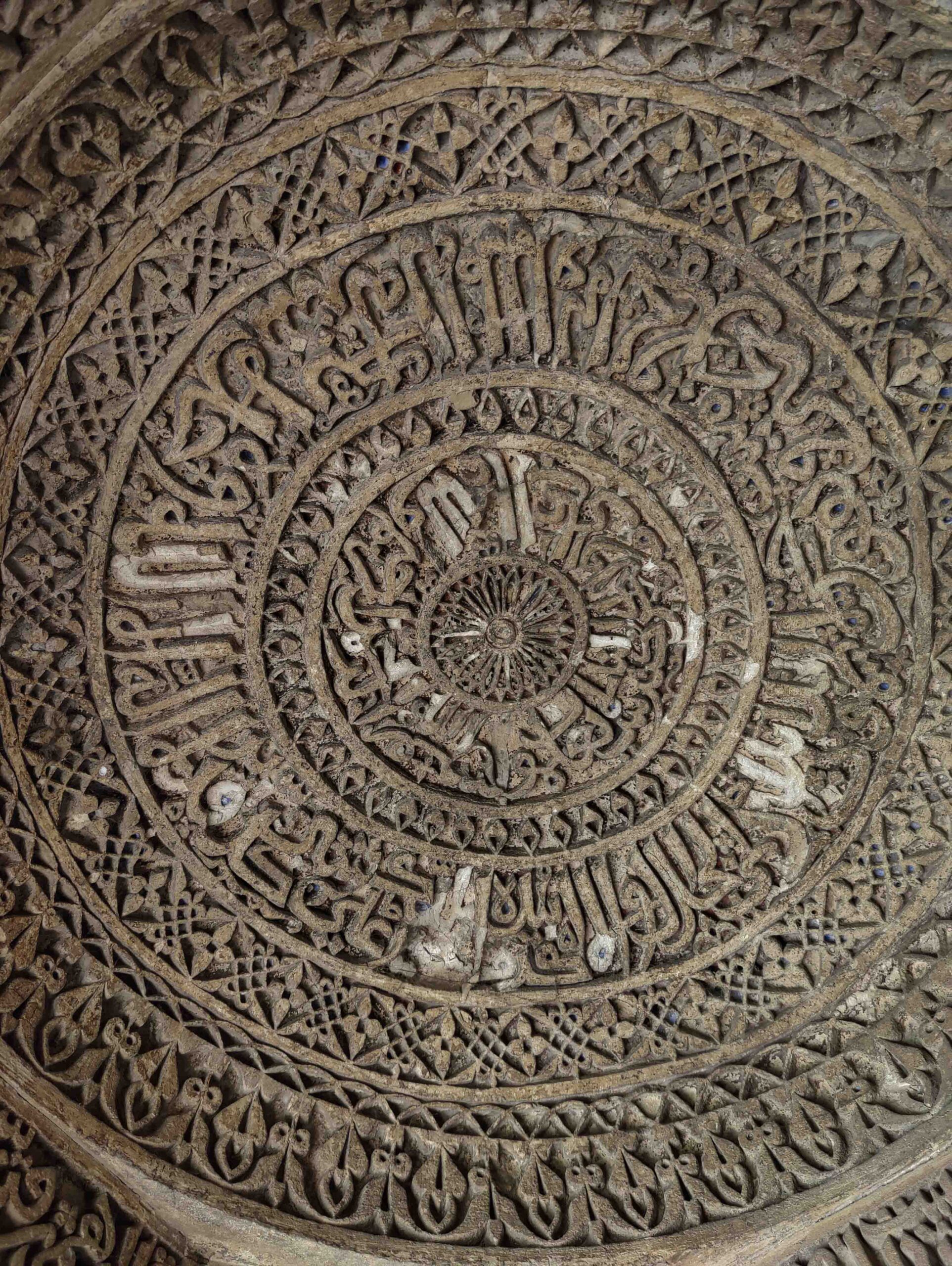
  1. Domed Structure with Islamic Calligraphy: The tomb features a single massive dome, a signature feature of Mughal architecture. Calligraphic inscriptions can be found on its walls, adding to its Islamic character.
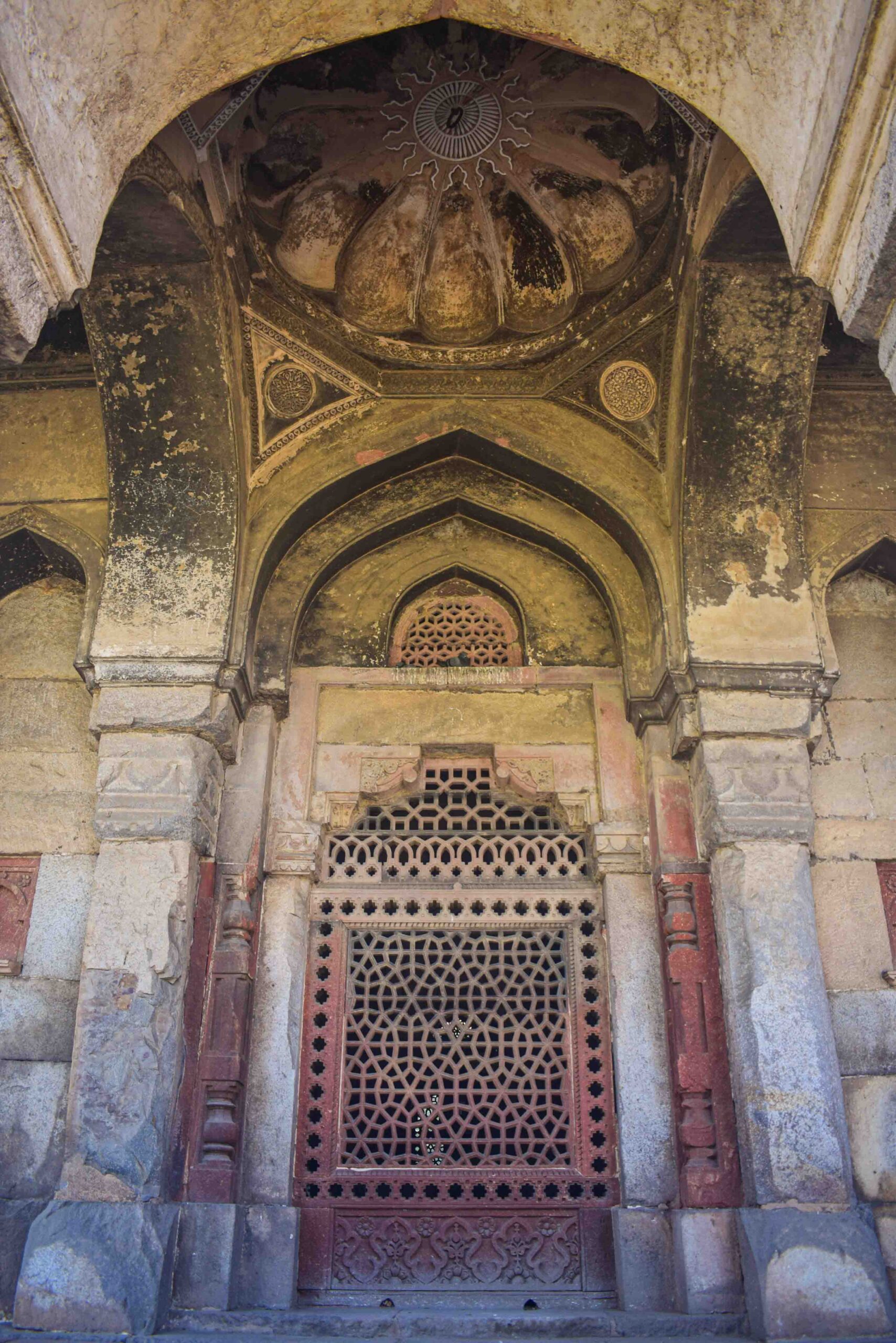
  2. Ornate Entranceway and Facade: The entryway, adorned with decorative motifs, combines geometric Islamic patterns with floral designs that bear a striking resemblance to those seen in Hindu temples.
  3. Mihrab and Mosque: The adjacent mosque, which aligns with Mecca, is similar in design to other Mughal-era mosques, featuring arched niches and prayer halls.

Hindu Architectural Influences in Isa Khan’s Tomb

Despite its clear Mughal lineage, certain architectural elements raise speculation about the site’s origins:

  1. Carved Brackets and Pillars: The overhanging eaves (chhajjas) and stone brackets supporting them resemble those found in Hindu temples, where they were used to provide structural stability and decorative appeal.
  2. Floral and Lotus Motifs: The presence of lotus carvings, a key symbol in Hindu iconography, suggests either an adaptation from an earlier temple or the involvement of indigenous craftsmen familiar with Hindu temple designs.
  3. Use of Spolia (Repurposed Temple Materials): Some pillars and ornamental friezes display carvings reminiscent of pre-Islamic Indian architecture, hinting at the possibility that elements of an earlier Hindu or Jain structure were reused in the tomb’s construction.
  4. Presence of a Well: A significant feature of the tomb premises is an old well near the mosque. Wells were often associated with Hindu temple complexes for ritualistic purposes, raising further speculation about the site’s original use before its transformation into an Islamic funerary monument.

Possibility of a Pre-existing Hindu Site

Several factors contribute to the speculation that the Isa Khan’s Tomb may have been constructed over a Hindu religious site:

  • Historical Patterns of Temple Destruction and Reuse: The Mughals, like their predecessors, often repurposed materials from older Hindu temples when constructing new buildings. The integration of Hindu motifs in an otherwise Islamic structure suggests such a possibility.
  • Location within a Sacred Landscape: Before the Mughal period, Delhi had a rich history of Hindu and Jain temples. Given its proximity to the Yamuna River and other ancient sites, this location may have once been of religious importance.
  • Structural Discrepancies: Some of the tomb’s elements, particularly certain stone placements and carvings, do not align perfectly with traditional Mughal architectural principles, suggesting the adaptation of pre-existing structures rather than an entirely new build.

Conclusion

The Isa Khan’s Tomb is an intriguing piece of Delhi’s architectural puzzle, embodying the fusion of Islamic and indigenous Indian artistic traditions. While officially recognized as a Mughal-era funerary structure, its Hindu architectural elements hint at a deeper, possibly pre-existing history. Whether this site originally housed a Hindu temple remains uncertain, but its design details and construction materials leave room for speculation. Further archaeological and historical research could unveil more secrets, shedding light on yet another forgotten chapter of India’s syncretic heritage.

Shesh Gumbad and Bada Gumbad: Lodhi Garden

Shesh Gumbad and Bada Gumbad: Echoes of a Forgotten Past

In the heart of Delhi’s Lodhi Gardens stand two striking yet enigmatic monuments—Shesh Gumbad and Bada Gumbad. These structures, built during the late 15th and early 16th centuries under the Lodi dynasty, are remarkable examples of Indo-Islamic architecture. While traditionally considered tombs or mosque-related structures, their design elements suggest a deeper, more complex history. The presence of Hindu temple architectural motifs raises intriguing questions: Could these monuments have been constructed over an ancient Hindu site? Were elements of pre-existing structures repurposed into their design? These questions remain unanswered, adding an air of mystery to these silent sentinels of history.

Bada Gumbad: A Grand Architectural Statement

Bada Gumbad, literally translating to “Big Dome,” is one of the most imposing structures in Lodhi Gardens. Built during the reign of Sikandar Lodi (1489–1517), it consists of a large domed structure, an attached mosque, and a gateway. Though often assumed to be a tomb, no grave has been discovered inside, leading to speculation about its original purpose.

Key Architectural Features:

  1. Massive Dome and Square Base: The structure follows a square plan, crowned with a hemispherical dome, a hallmark of Indo-Islamic architecture.

  2. Ornate Facade: The western wall of the adjacent mosque is elaborately decorated with geometric and floral motifs, reminiscent of Persian influences.

  3. Jali Screens and Arches: The presence of perforated stone screens (jali) suggests both Islamic and indigenous Indian influences.

Hindu Architectural Influences in Bada Gumbad:

  1. Bracketed Chhajjas (Overhanging Eaves): The stone eaves, supported by brackets, closely resemble those seen in Hindu temple construction.

  2. Lotus and Floral Motifs: While floral patterns are common in Islamic art, the specific use of lotus imagery hints at an adaptation from Hindu traditions.

  3. Chhatris and Pillared Elements: Though largely an Islamic structure, some remnants of Hindu-style pavilions (chhatris) and stone pillars can be identified, suggesting either adaptation from a prior structure or the influence of indigenous artisans.

Shesh Gumbad: A Tomb Shrouded in Mystery

Standing close to Bada Gumbad, Shesh Gumbad is another intriguing structure, believed to house the remains of an unknown noble from the Lodi era. Unlike other Lodi tombs, its identity and history remain obscure.

Architectural Highlights:

  1. Octagonal Tomb Design: Unlike Bada Gumbad’s square plan, Shesh Gumbad follows an octagonal layout, which is commonly seen in both Indo-Islamic and Hindu temple architecture.

  2. Carved Brackets and Eaves: The intricate stone supports beneath the eaves resemble those found in medieval Hindu temples.

  3. Multi-layered Ornamentation: Some patterns on the facade bear an uncanny resemblance to temple carvings, raising the possibility that the structure incorporates repurposed materials from an earlier site.

Possibility of a Pre-existing Hindu Structure

The subtle yet undeniable Hindu architectural influences in both Gumbads invite speculation:

  • Material Reuse: Many Indo-Islamic structures in Delhi incorporate stones and pillars from demolished Hindu and Jain temples. The presence of Hindu-inspired brackets and motifs suggests the possibility of reused elements.
  • Sacred Geography: Before the Islamic period, Delhi was home to numerous Hindu temples and sacred sites. The Lodhi Gardens area may have once been a spiritual or cultural center.
  • Structural Anomalies: The orientation and design of certain architectural elements do not align perfectly with typical Islamic tomb structures, leading to theories of adaptation rather than original construction.

Conclusion

The Bada Gumbad and Shesh Gumbad stand as intriguing relics of Delhi’s architectural past, embodying a blend of Islamic and indigenous Indian design. While their official history places them within the framework of Lodi-era tombs and mosques, their Hindu architectural elements spark curiosity about their origins. Whether they were built upon a pre-existing Hindu site remains uncertain, but their fusion of styles highlights the syncretic nature of India’s rich architectural heritage. Further archaeological investigations could provide deeper insights into these forgotten layers of history, helping us unravel the true story behind these enigmatic monuments.

Sikandar Lodi’s Tomb in Lodhi Gardens

Sikandar Lodi’s Tomb in Lodhi Gardens: A Historical and Architectural Analysis 

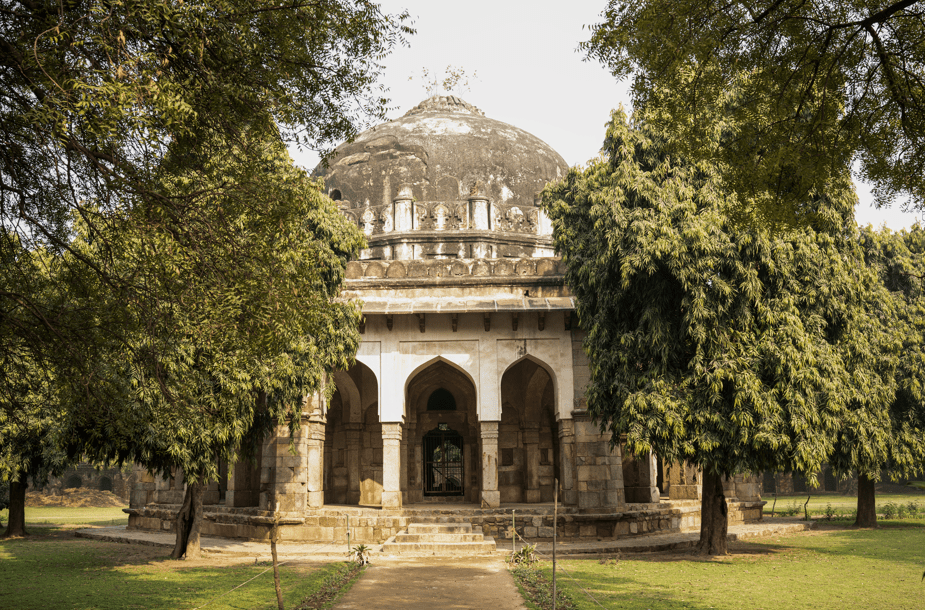
Sikandar Lodi’s Tomb, located in Delhi’s famous Lodhi Gardens, is a remarkable example of Indo-Islamic funerary architecture from the late 15th and early 16th centuries. Built by Ibrahim Lodi in 1517 to honour his father, Sikandar Lodi, this tomb reflects a blend of Persian and indigenous Indian architectural traditions. While the tomb primarily follows the Islamic architectural style characteristic of the Lodi dynasty, certain elements suggest subtle influences from Hindu temple architecture. This raises the intriguing question of whether the site held historical significance before the tomb’s construction, possibly as a Hindu sacred space.

Architectural Features of Sikandar Lodi’s Tomb

The tomb is an early example of an enclosed garden tomb, a concept that would later be refined in Mughal architecture, particularly in Humayun’s Tomb and the Taj Mahal. Its defining features include:

1. Enclosed Garden Layout (Charbagh Influence)

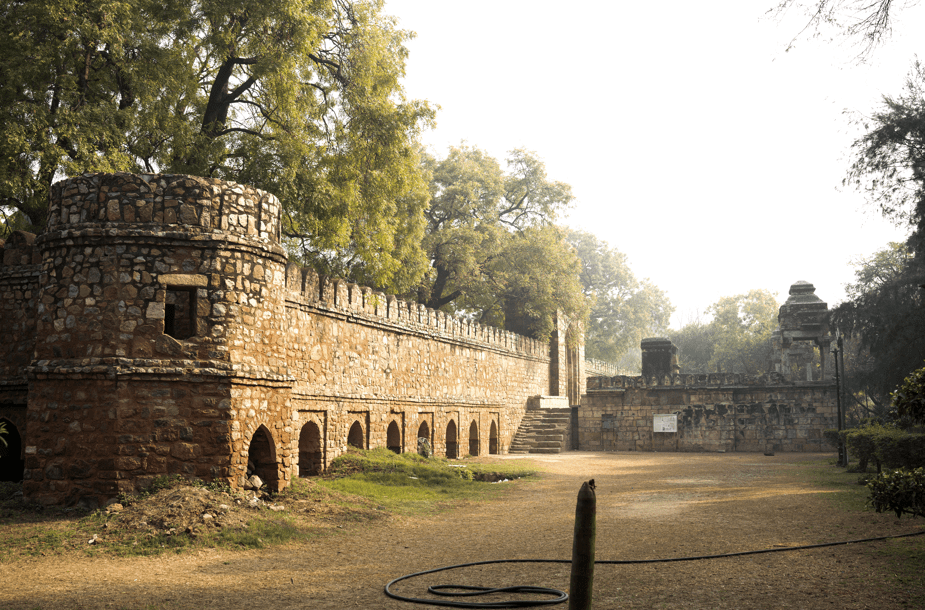
Unlike earlier tombs, Sikandar Lodi’s Tomb is situated within a walled enclosure, giving it a fortress-like appearance. This is an early adaptation of the Persian Charbagh garden-tomb concept, which was later perfected by the Mughals. The use of enclosed spaces was also a feature of Hindu temple precincts, which were often surrounded by boundary walls and gateways.

2. Octagonal Tomb Structure

The tomb follows an octagonal plan, a hallmark of Lodi-era architecture. The octagonal shape was favoured for its symbolic significance in Islamic geometry, but it also has parallels in Hindu temple architecture, where sacred spaces were often designed using geometric precision.

3. Chhatris (Domed Pavilions)

One of the most distinctively Indian elements in the tomb’s design is the presence of chhatris (small domed pavilions) on its roof and exterior walls. Chhatris are an integral feature of Rajput and Hindu temple architecture, commonly used to adorn temples, cenotaphs, and palatial structures. Their presence in an Islamic tomb suggests a cultural fusion that was characteristic of Indo-Islamic architectural evolution.

4. Ornamental Brackets and Overhanging Eaves (Chhajjas)

The overhanging eaves, supported by carved stone brackets, are another feature commonly associated with Hindu and Rajput architecture. In Hindu temples, such brackets were intricately carved and used to support balconies and roofs. In Sikandar Lodi’s Tomb, these brackets, though simpler in execution, serve a similar structural and decorative function.

5. Decorative Motifs and Indigenous Craftsmanship

The tomb is relatively austere in terms of ornamentation, following the Lodi preference for simplicity. However, some floral and geometric motifs carved into the stonework resemble patterns found in Hindu temple architecture. This suggests that local artisans, skilled in temple construction, may have contributed to the tomb’s design.

Interior of the Tomb

The interior of Sikandar Lodi’s Tomb is relatively unadorned, in keeping with the minimalist style of the Lodi dynasty. The main chamber houses the cenotaph of Sikandar Lodi, while the actual grave is believed to be underground. The walls are plain, lacking the elaborate calligraphy and tile work seen in later Mughal tombs. The tomb’s simplicity contrasts with the more ornate interiors of earlier Indo-Islamic structures, reinforcing its transitional nature between the Delhi Sultanate and Mughal architectural traditions.

Was There a Hindu Site Before the Tomb?

The presence of Hindu architectural elements, while not conclusive, sparks speculation about whether the site originally held a Hindu temple or another sacred structure. Several historical factors support this possibility:

  1. Historical Precedent of Site Repurposing: The Delhi Sultanate and later rulers often built mosques and tombs over pre-existing Hindu and Jain temples, either repurposing materials or demolishing structures to assert dominance.
  2. Chhatris and Brackets: The use of these features suggests either direct adaptation from existing structures or an attempt to blend Hindu architectural elements into Islamic designs, possibly to integrate local craftsmanship.
  3. Absence of Documented Pre-Islamic Structures: While there are no clear historical records of a Hindu temple at this location, the broader Lodhi Gardens area was part of Delhi’s ancient settlements, where Hindu religious structures would have been present before Islamic rule.
  4. Sacred Geography: Many tombs and mosques in medieval India were deliberately built over sacred Hindu sites to recontextualize their religious significance. Given the strategic and central location of Sikandar Lodi’s Tomb, it is plausible that the area once held a Hindu or Jain shrine.

Conclusion

Sikandar Lodi’s Tomb is a fascinating blend of Islamic and indigenous architectural traditions, reflecting the transitional phase between the Delhi Sultanate and Mughal styles. While its core structure adheres to Lodi-era Islamic design, the presence of Hindu elements like chhatris, ornamental brackets, and decorative motifs hints at either an intentional fusion of styles or a deeper historical connection to a pre-Islamic past. Whether the site originally housed a Hindu structure remains speculative, but the architectural dialogue between different cultural traditions makes Sikandar Lodi’s Tomb an important monument in understanding India’s syncretic heritage. Further archaeological investigations could potentially shed more light on the true origins of this historic site.

Muhammad Shah’s Tomb (Lodhi Garden)

Muhammad Shah’s Tomb in Lodhi Gardens: An Architectural and Historical Inquiry

Muhammad Shah IV’s tomb, an elegant yet lesser-explored monument in Delhi’s famous Lodhi Gardens, stands as a remarkable example of Indo-Islamic architecture. Built in the mid-15th century during the Sayyid dynasty (1414–1451), the tomb commemorates Sultan Muhammad Shah, one of the last rulers of the Sayyid dynasty. The structure’s design is not purely Islamic; rather, it incorporates several elements that are reminiscent of Hindu temple architecture. This intriguing blend raises the question of whether the tomb was constructed over an older Hindu site, a possibility that remains a topic of historical speculation.

Architectural Features

Muhammad Shah’s Tomb follows the traditional Indo-Islamic style but introduces key architectural elements that distinguish it from later tombs built during the Lodi and Mughal periods. The monument’s most defining features include:

1. Octagonal Layout

The tomb follows an octagonal plan, a characteristic of Sayyid and early Lodi tombs, unlike the square tombs favored during the later Mughal period. Each side features large arched entrances, allowing light and air to flow through the structure.

2. Chhatris (Domed Pavilions)

The tomb is crowned by a large central dome, surrounded by eight small chhatris placed symmetrically at the corners. Chhatris are a distinct feature of Rajput and Hindu temple architecture, often seen in traditional temple designs and cenotaphs. Their presence in an Islamic tomb suggests an architectural syncretism or the adaptation of indigenous styles into Islamic structures.

3. Ornamental Brackets and Overhanging Eaves (Chhajjas)

The overhanging eaves (chhajjas) of the tomb are supported by stone brackets, a feature heavily inspired by Hindu and Rajput architecture. Hindu temples frequently use such carved brackets to support projecting balconies and roofs. This stylistic adaptation can be seen in many Indo-Islamic monuments, but its prominence in Muhammad Shah’s tomb is particularly noteworthy.

4. Decorative Motifs and Carvings

While the tomb largely follows Islamic artistic traditions, certain decorative motifs—such as floral and geometric patterns—bear a resemblance to carvings found in Hindu temples. Some of these motifs are not strictly Islamic, which suggests the influence of local artisans accustomed to working on Hindu religious structures.

5. Interior Design and Ornamentation

The interior of Muhammad Shah’s Tomb maintains an austere yet elegant design. The walls are largely unadorned, except for traces of faded frescoes and calligraphy that once decorated the space. The main chamber houses the central cenotaph, which is believed to be a symbolic resting place, while the actual burial chamber lies underground—a common practice in Islamic tomb architecture. The use of perforated stone screens (jali) for ventilation and lighting enhances the ethereal atmosphere within the tomb. These jali patterns, though typically Islamic, also resemble latticework found in Hindu temple designs. The domed ceiling, though simple, may have once featured painted or stucco embellishments, which time has largely erased.

Historical Speculations: Was There a Hindu Structure Before the Tomb?

The presence of Hindu-inspired elements in the tomb has led to speculations that the site might have originally housed a Hindu temple or another significant Hindu structure. Several points support this theory:

  1. Architectural Adaptation: Many Indo-Islamic buildings were constructed over pre-existing Hindu or Jain temples, often repurposing materials and incorporating local architectural elements. The use of Hindu-style chhatris and brackets suggests a possible continuity of local construction practices.

  2. Material Reuse: Some Islamic monuments in India have been known to incorporate stones and carvings from demolished temples. Though no direct evidence has been found at Muhammad Shah’s Tomb, a detailed archaeological survey could provide insights into whether existing materials were reused.


  3. Sacred Geography: The Lodhi Gardens area, which was once part of an extensive necropolis, might have held earlier religious significance. It is not uncommon for Islamic rulers to build monuments over sacred sites to assert dominance and repurpose the location for their own cultural and religious expressions.


  4. Absence of Contemporary Hindu Records: There is a lack of direct historical records mentioning a temple at this specific location before the tomb’s construction. However, the broader region of Delhi had numerous temples during the pre-Islamic period, making the possibility of an earlier Hindu structure plausible.


Conclusion

Muhammad Shah’s Tomb stands as an architectural testament to the cultural syncretism of medieval India. While its core design is rooted in Indo-Islamic traditions, its Hindu temple-inspired elements add an intriguing layer of historical complexity. Whether these features were purely stylistic choices or evidence of an older Hindu site remains an open question. Further archaeological studies and historical research could shed light on the true origins of this fascinating monument. Regardless of its past, the tomb remains a symbol of the fluid architectural and cultural exchanges that define India’s rich heritage.

Khair-ul-Manzil, Delhi

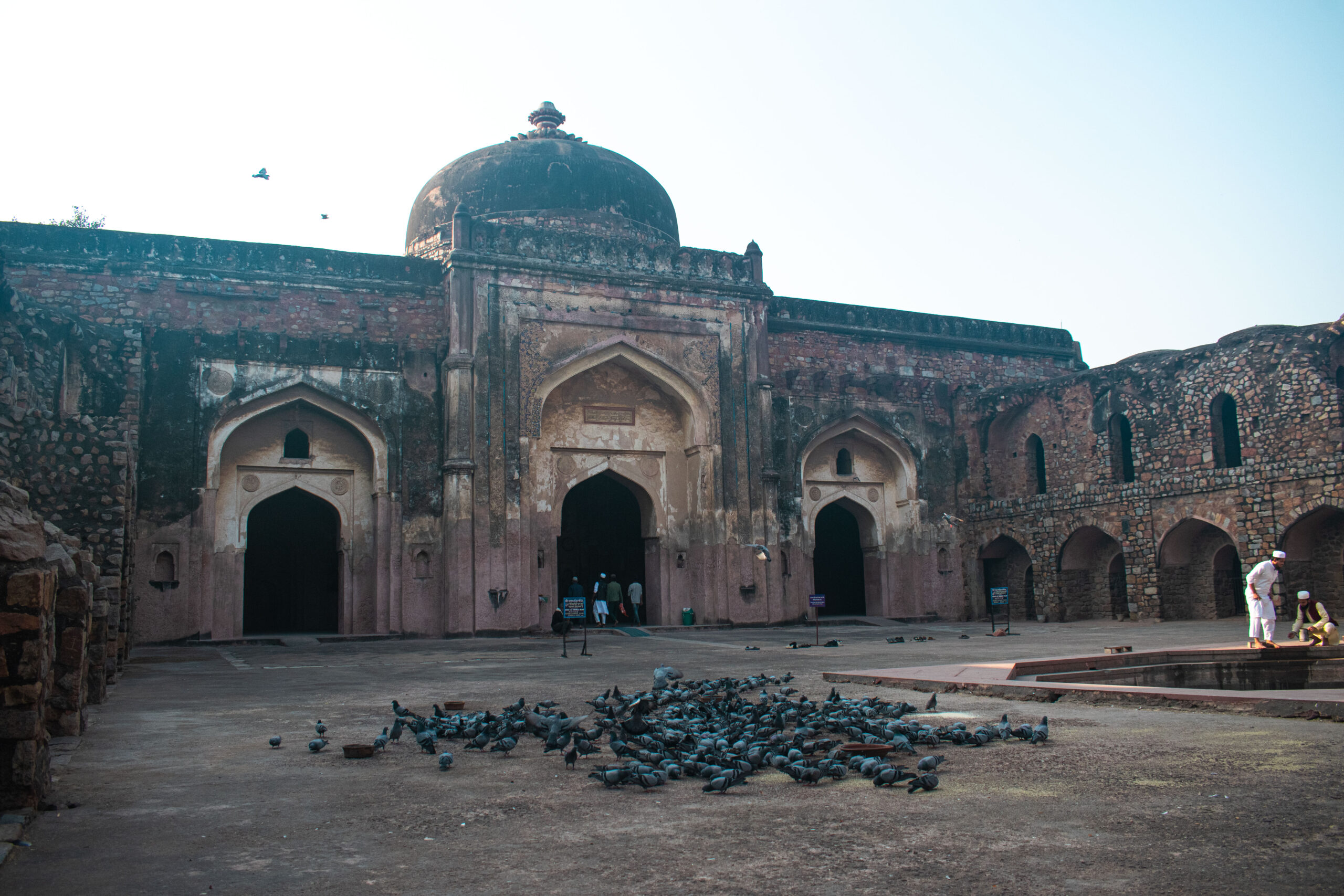
The Khair-ul-Manzil, meaning “The Best of Houses,” is a historic mosque and madrasa situated opposite the Purana Qila on Mathura Road in New Delhi, India. Constructed in 1561 by Maham Anga, the influential wet nurse and foster mother of Mughal Emperor Akbar, this monument reflects the architectural styles of the Mughal era.

The mosque’s gateway evidently is built of red stone, showcasing not only Mughal architectural elements but also presence of Hindu motifs and architectures which lies underneath the history.

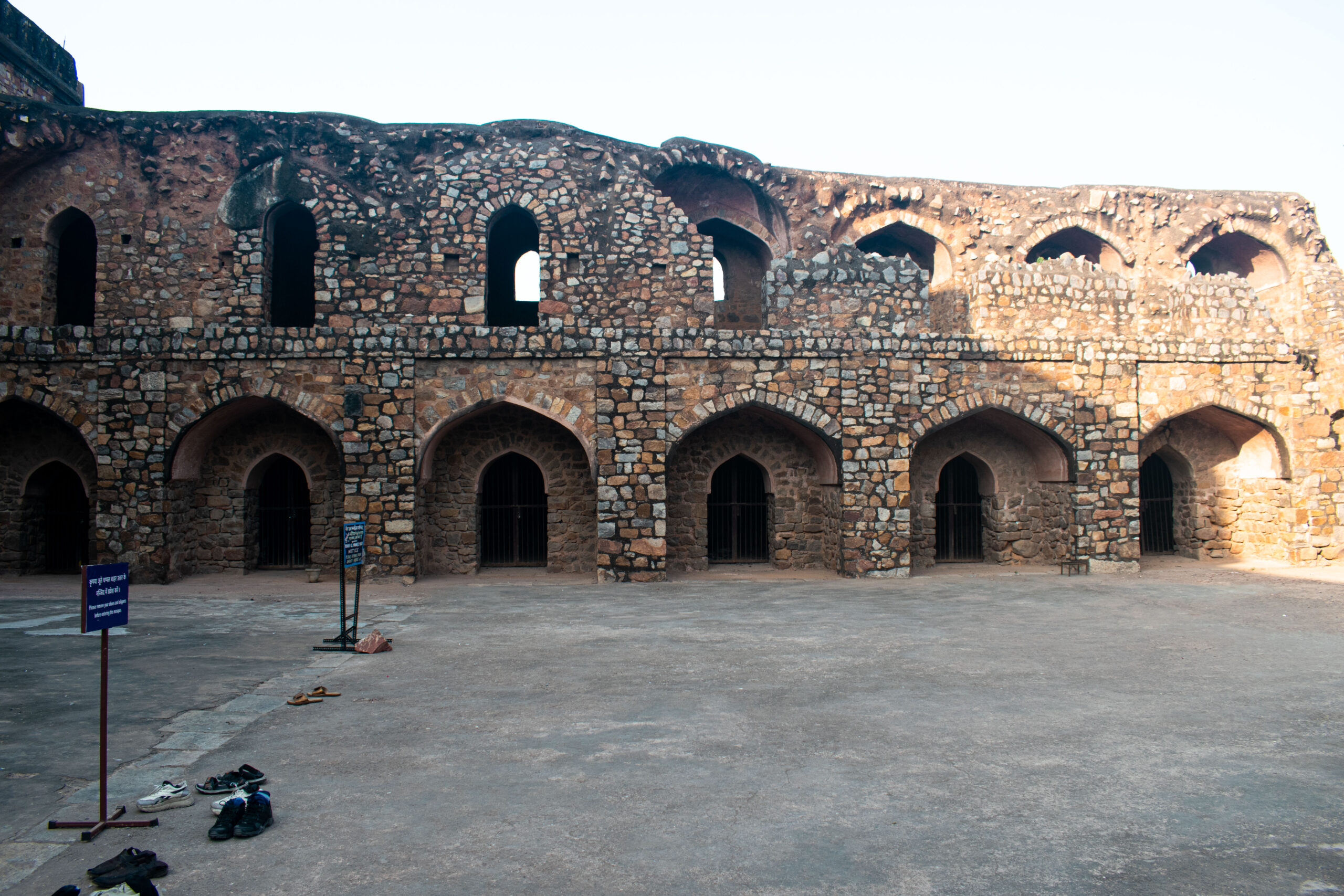
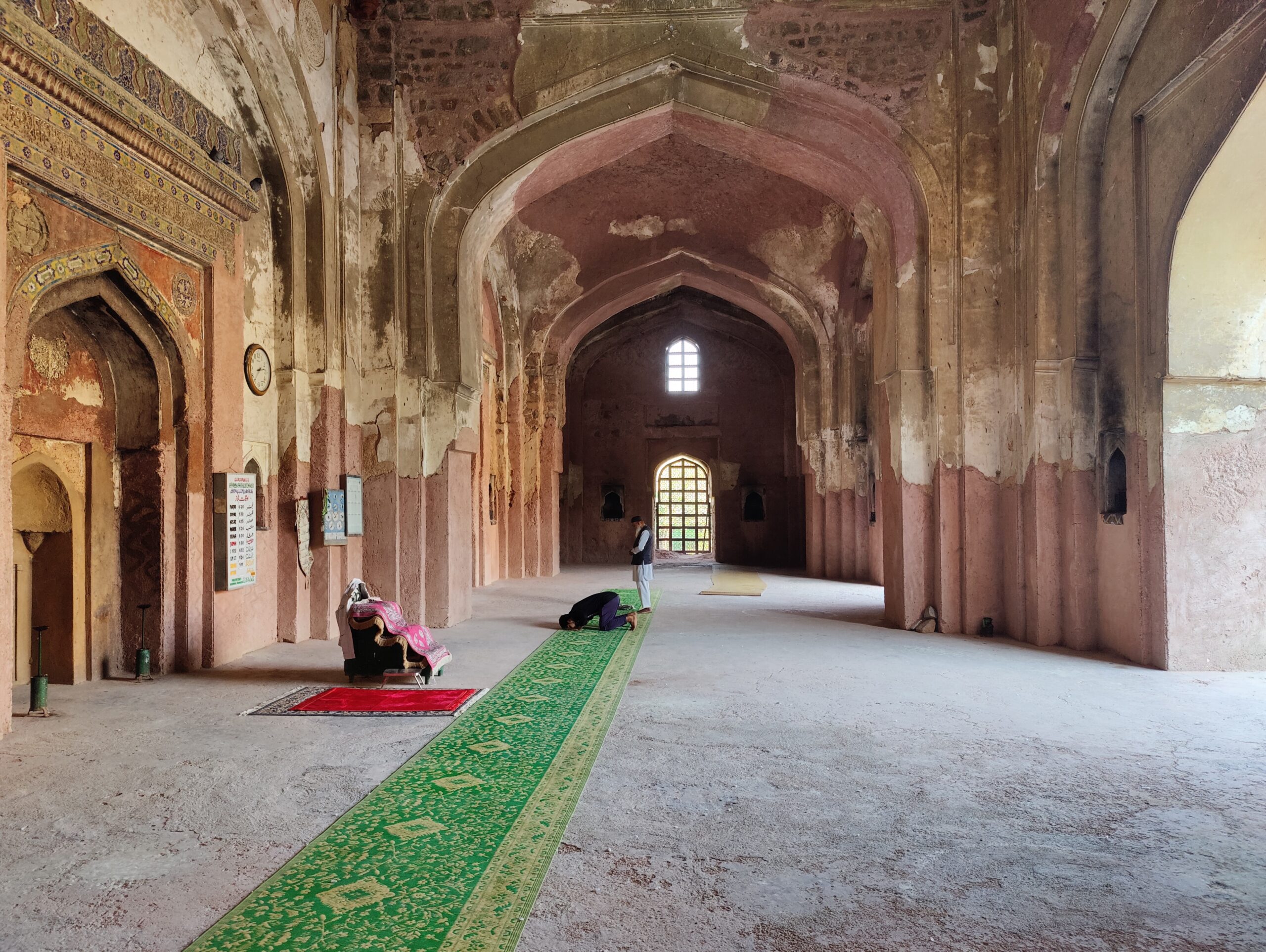
The interior structure exhibits characteristics of Delhi Sultanate architecture. The huge alleged garbagriha, today known as the prayer hall, has five high- arched openings, and the mosque is constructed primarily of rubble covered with plaster. What lies underneath the plaster is yet to be discovered and only time will speak the evidence of hidden truth.

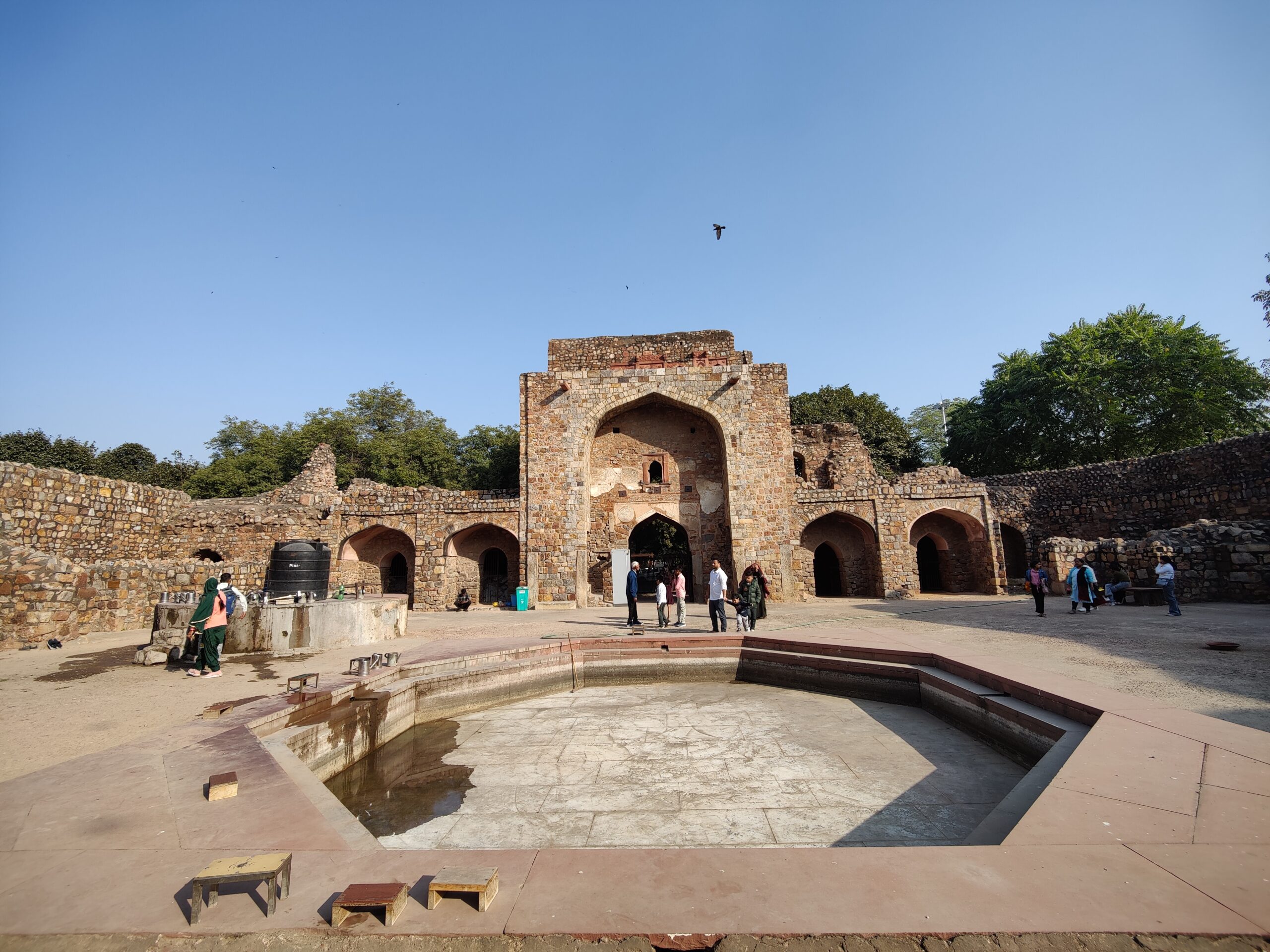
Upon entering through the old gates, an octagonal shaped water storage is seen, which might not seem very common in mosques. This can raise the question whether something is present beneath the structure which is now mostly being used by few people. 

The masjid is huge in area, and behind it lies a garden, which is closed for the usual public, but some sort of structures can be seen. On both the sides of masjid walks old rugged stone structures which are now broken. This takes the shape of a few chamber-like designs and its significance remains unknown. 

Interestingly, Khair-ul-Manzil also served as a theatre of conflict during the Independence movement. It is believed as per reports that, once British officers discovered that some revolutionaries were hiding in the monument, no sooner cannons were set up and the structure was bombed. Traces of bombing in black marks are still evident in the walls and ceilings of the masjid.

A debate still remains unresolved as there are claims of Khair-ul-Manzil being built on the site of the Hindu temple. As per Sita Ram Goel, a renowned scholar and historian dares to mention in his book “Hindu Temples: What Happened to them” that Khair-ul-Manzil is allegedly built atop of Hindu temple site. Is this fact actually considered the truth? Only further research by archaeologists will break the silence. 

Though there are strong beliefs and evidence that suggest the masjid was constructed on a Hindu Temple as there are presence of certain motifs and architectural elements surrounding the complete structure of the monument.

In summary, while Khair-ul-Manzil stands as a testament to Mughal architecture and the influence of Maham Anga, claims of it being built over a Hindu temple site remain inconclusive without further archaeological evidence. The mosque’s rich history and architectural significance continue to make it a subject of interest for historians and scholars alike.

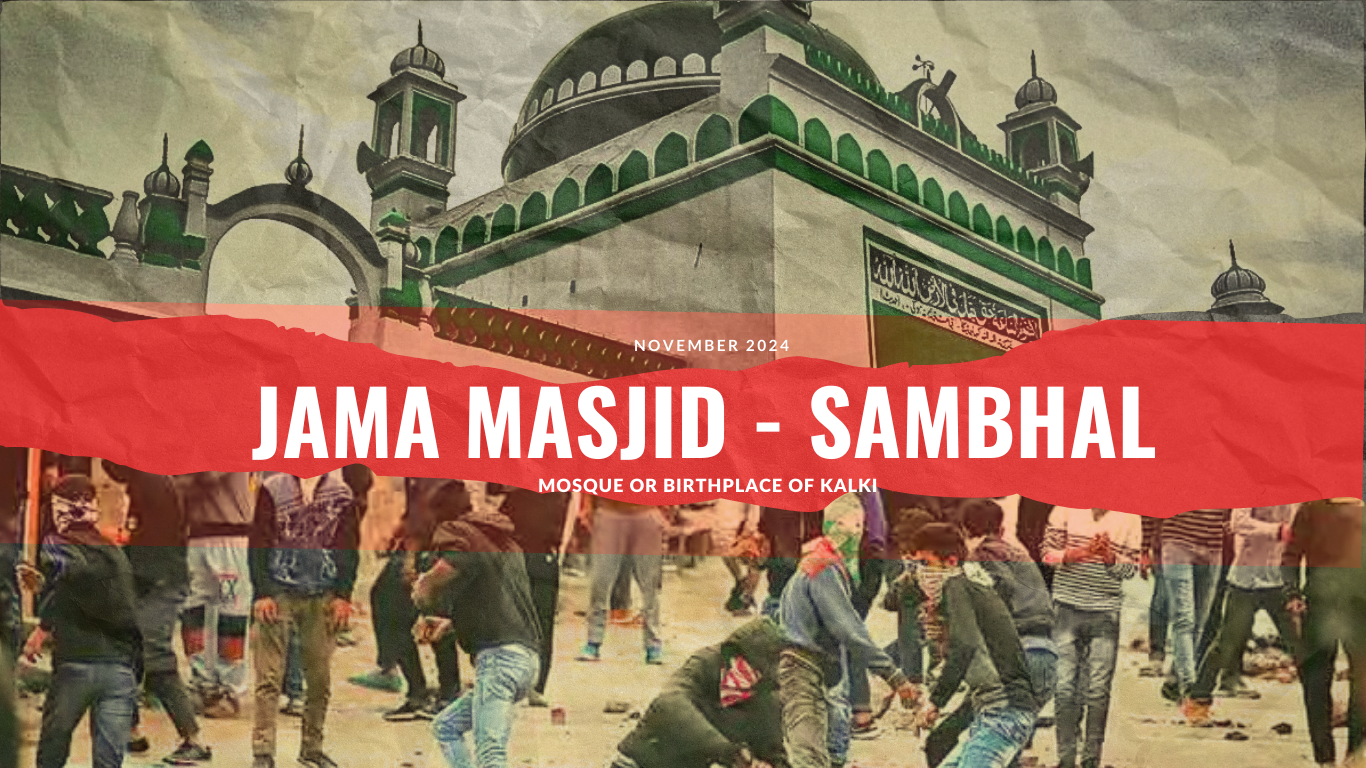
Jama Masjid Sambhal: A Case That Raises Questions Beyond Law

The Jama Masjid in Sambhal, Uttar Pradesh, has been at the center of a legal and cultural debate after the Babri Masjid case.


 It was hoped that the Ayodhya-Babri Masjid judgment, despite its legal flaws and shoddy reasoning, would put a closure to the mandir-masjid disputes once and for all. Perhaps this hope also led the Supreme Court to allow the Ram Mandir construction, despite finding that there was no conclusive evidence of any pre-existing temple beneath the Babri Masjid and declaring that the installation of idols inside the mosque in 1949 and the destruction of the mosque in 1992 were illegal. Probably, the Court intended this as a “one-time measure” because it categorically stated that historical wrongs by medieval rulers can’t be corrected by the present-day legal regime. More importantly, the 5-judge bench also upheld the Constitutional validity of the Places Of Worship (Special Provisions) Act, 1991(PoW Act) as it was the fulfilment of the State’s “constitutional obligations to uphold the equality of all religions and secularism which is a part of the basic features of the Constitution. The Court observed that the PoW Act reflected the message that “history and its wrongs shall not be used as instruments to oppress the present and the future.” 

The controversy stems from claims that the Jama Masjid mosque, constructed during the Mughal period, was built after demolishing a pre-existing Hindu temple dedicated to Lord Harihar. Such disputes echo larger historical narratives surrounding the construction of religious sites during India’s Mughal era.

On 19th November, a court-mandated survey was conducted at Jama Masjid in Sambhal, Uttar Pradesh. The court ordered the survey in response to a petition filed by Supreme Court Advocate Vishnu Shankar Jain, and seven co-plaintiffs, asserting that the mosque occupies the site of a temple dedicated to Bhagwan Kalki.

Destructuring the petition:

In the petition, it has been asserted that the Jama Masjid in Sambhal was constructed on the centuries-old Shri Hari Har Temple, dedicated to Bhagwan Kalki and destroyed by Babar. The petitioners added that the site holds significant religious importance for Hindus and was forcibly and unlawfully converted into a mosque during the Mughal period. The petitioners further argued that it is a centrally protected monument as per the Ancient Monuments Preservation Act of 1904 and is listed as a monument of national importance by the Archaeological Survey of India (ASI).       

Some key points from the petition:

-ASI has not done anything to maintain the property and members of the Muslim community have taken advantage and captured the entire property.               

-Some people have formed a Committee known as Intezamia Shahi Jama Masjid Committee and are not NOT allowing any person in public to access the property. Vishnu Jain himself was not allowed to freely enter in August.

-Mosque side is preventing even ASI to control it                                               

– Mosque side has locked a portion of the property without any right to do so.

They further contended that, being devotees of Bhagwan Vishnu and Bhagwan Shiv, they have the right to access the temple for worship and homage. They asserted that the right to worship has been denied by the mosque’s management committee. Furthermore, they also accused the Archaeological Survey of India (ASI) of failing to fulfil its statutory duty to ensure public access to the site. They cited Section 18 of the Ancient Monuments and Archaeological Sites and Remains Act, 1958, while seeking access to the site.

The petitioners emphasised that the current situation infringes upon their constitutional right to practise their religion and called for immediate action to restore public access to the site.

Backed up Evidences:

Furthermore, the petition mentioned that during the reign of Akbar, the Ain-i-Akbari was written, which also referred to a prominent temple in Sambhal named Hari Mandir. The text described the temple as being dedicated to Bhagwan Vishnu and the prophesied birthplace of Bhagwan Kalki’s avatar. It further highlighted that the temple held importance during Akbar’s time, suggesting that Hindus had temporarily reclaimed the site before subsequent Mughal interventions.

Ain-i-Akbari read, “There is game in plenty in the Sarkar of Sambel (Sambhal), where the rhinoceros is found.! It is an animal like a small elephant, without a trunk, and having a horn on its snout with which it attacks animals. From its skin, shields are made and from the horn, finger-guards for bow-strings and the like. In the city of Sambal is a temple called Hari Mandal (the temple of Vishnu) belonging to a Brahman, from among whose descendants the tenth avatar will appear in this spot. Hansi is an ancient, the resting-place of Jamal the successor of Shaikh Farid-i-Shakar ganj.

According to the petition, several archaeological surveys were conducted in Sambhal during 1874–76 by Major-General A. Cunningham, who was the Director General of the ASI. He wrote a report titled “Tours in the Central Doab and Gorakhpur”, which mentioned the architectural elements of the temple that survived the conversion.

Some parts of the book on Sambhal read, “The principal building in Sambhal is the Jami Masjid, which the Hindus claim to have been originally the temple of Hari Mandir. It consists of a central domed room upwards to 20 feet square, with two wings of unequal length, that to the north being 500 feet 6 inches, while the southern wing is only 38 feet 1 1⁄2 inches. Each wing has three arched openings in front, which are all of different widths, varying from 7 feet to 8 feet.”

24 November, 24

Violence erupted in Sambhal after a court-ordered survey at Jama Masjid, as Islamists gathered and started pelting stones at the police. They resorted to arson and clashed with the police present at the scene. The police had to resort to tear gas and baton charge to control the Islamist mob. Several vehicles were set ablaze in the area, and stone pelting continued for hours.

The survey was carried out under the supervision of Advocate Commission. A heavy police force was deployed in the area to ensure the survey proceeded peacefully.

The developments started at around 6:30 AM when a team, including the District Magistrate and Superintendent of Police, arrived at the mosque to conduct the survey. A mob of around 2,000 Muslims gathered outside the mosque and demanded the survey to be stopped.

When the police tried to intervene, the mob started pelting stones, which forced the authorities to retreat briefly. Sources at the site of the incident said that SDM and PRO of SP Sambhal were among the injured as Islamists allegedly attacked the police. Several vehicles belonging to Sambhal police were set ablaze by the Islamist mob. Furthermore, the sources said that Islamists from nearby areas also reached Jama Masjid and joined the mob.

During the survey, however, Muslims living in the area gathered outside the Jama Masjid and raised religious slogans. The District Magistrate of Sambhal confirmed that the survey was completed in around two hours and stated that a report would be submitted to the Civil Court, which will review it on the next date of hearing, 29th November 2024.

Meanwhile, All India Muslim Jamaat Chief Shahbuddin Razvi Barelvi appealed to the minority community in Sambhal to maintain peace and tranquillity, and not to indulge in vandalism and stop stone pelting.

Atala Devi Temple Jaunpur

Author: Nayandeep

Imagine an age where worshiping one’s deities is forbidden and is punishable by the law. Those that rule will pay no heed to your cries of anguish as they are the ones who have enacted and enforced such draconian laws upon you and your lot. Pillage and destruction were common and the very existence of Hindus was an anathema to the Islamic ruling disposition. Imagine a nightmare which continued for decades non stop.
Hard to imagine, rightly so especially to a generation that is far cut off from it’s past and a good availability of internet and the ease of living has made such a life hard to imagine, but again those that don’t learn from the past are made to repeat that past, Kashmir being the latest reminder.

The hardships that you just read in the start of this piece were faced by the Hindus of Jaunpur.

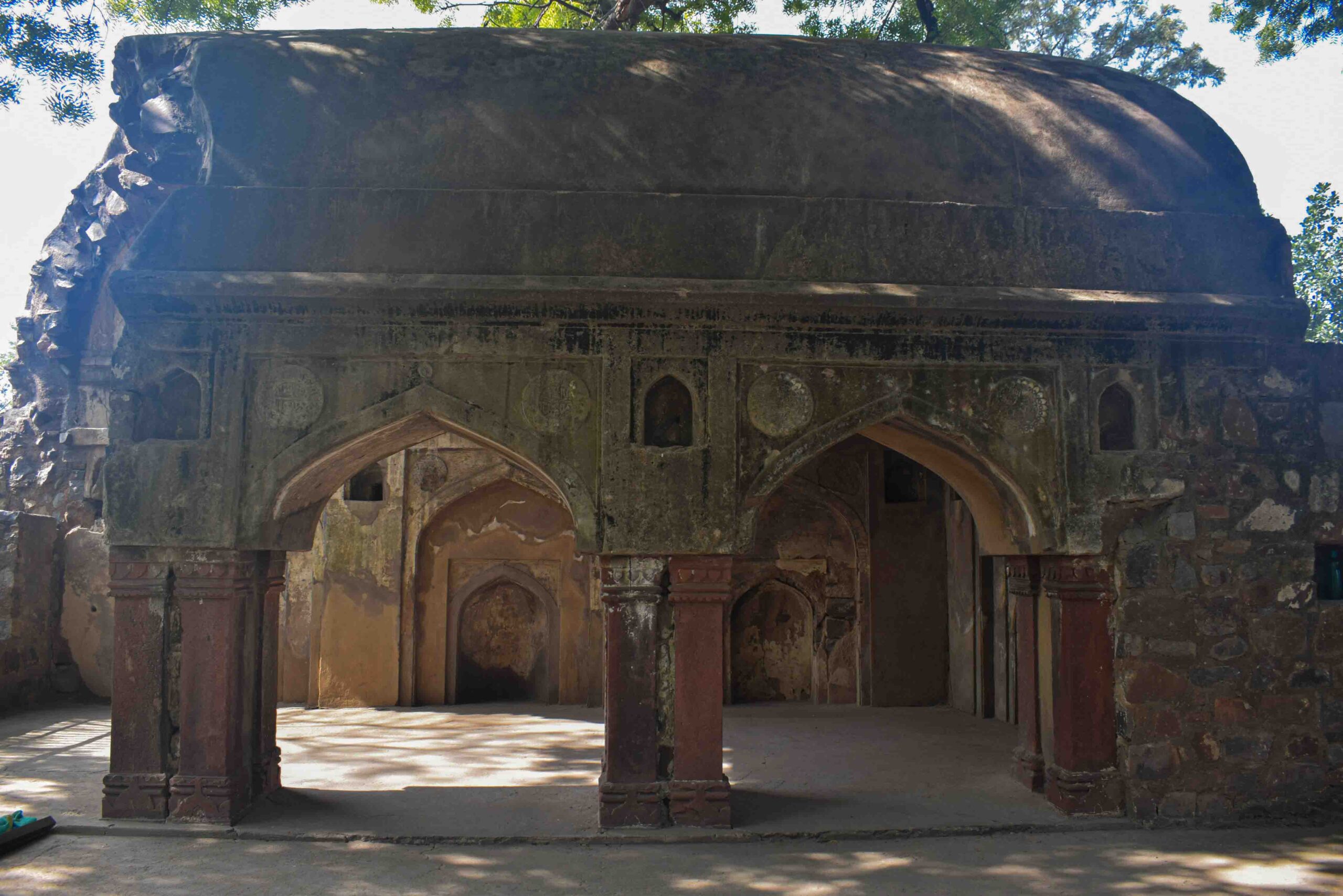
The famous shrine of Goddess Atala Devi, the wish fulfilling Goddess whose grand temple stood in all its glory, whose construction was done by the Rajput King Raja Vijay Chandra of the Kingdom of Kannauj was destroyed in 1364 AD by the brother of Sultan, Ibrahim Naib Barbak. He constructed Jhanjhari masjid nearby in honor of Hazrat Ajmali after he had fulfilled his religious fervor by the destruction of the temple. What he started was completed by 1408 AD  by the Sultan Ibrahim who converted the remnants of the Atala Devi temple to a full fledged mosque.

Khair ud Dins history of Jaunpur clearly states and further informs the reader that Hindus were made to vacate their home and professors of the Islamic faith were given those houses, while the Hindus were made to live on the peripheral villages just outside the city.

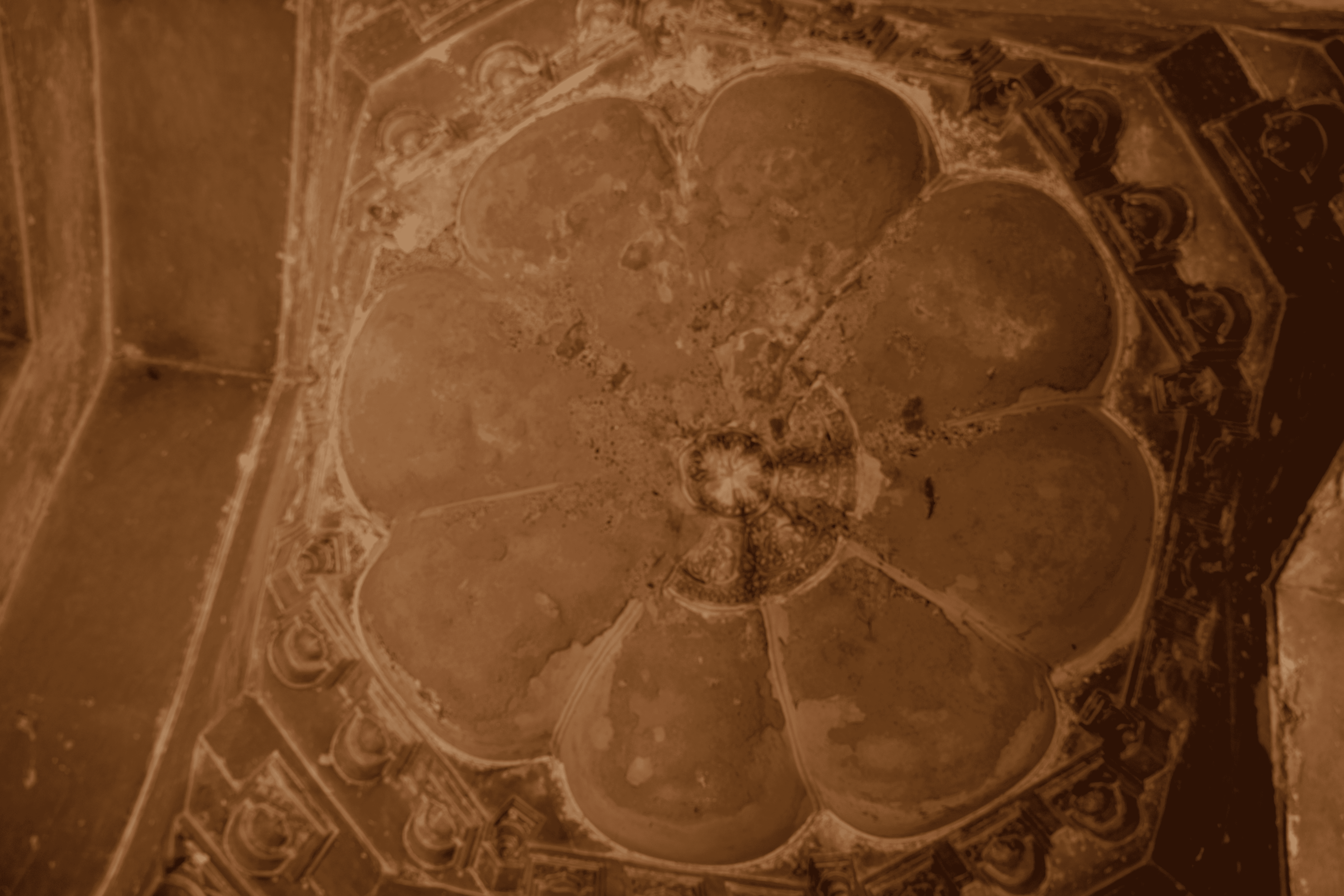
A simple observation with an unbiased mind one can easily see the inner pillars along with the inner walls of the masjid have deep Hindu architecture.

H.E Nevil the then District Commissioner of Jaunpur had written in the Gazette of Jaunpur dated 1908, the destruction of the Atala Devi temple by the brother of the Sultan called Ibrahim Naib.

The very Goddess for whose one glimpse thousands used to wait with folded hands is now waiting for hundreds of years and counting, to be reclaimed.

A part of collective Hindu civilization awaits its reclamation and for the past wrong to be righted. Her hope’s are from a society which watches yet waits, from a judiciary which sees and sermonizes and the political dispensation which measures things from the point of view of one election to another.

A few lines might tell the state of the Hindu nation.

Arise of Goddess arise for your children are waiting for you but in the digital world.

Let not your hope be from those to whom power be the only thing that is to be concerned.

Trying to connect imaginary bridges that have long been burned.

Arise o Goddess for a day will come when your children’s blood will stir and in there hands will be the key to correct the past and to set your temple free.

#ReclaimTemples